ସୁଲଭ ‘କାଉଣ୍ଟର-ଡ୍ରୋନ୍’ (ଡ୍ରୋନ୍-ବିରୋଧୀ) ପ୍ରଯୁକ୍ତିବିଦ୍ୟା: DHS ସଚିବ ମୁଲିନ୍ଙ୍କ ପ୍ରୟାସ ପ୍ରତିରକ୍ଷା ବ୍ୟୟ ଉପରେ କି ପ୍ରଭାବ ପକାଇବ?
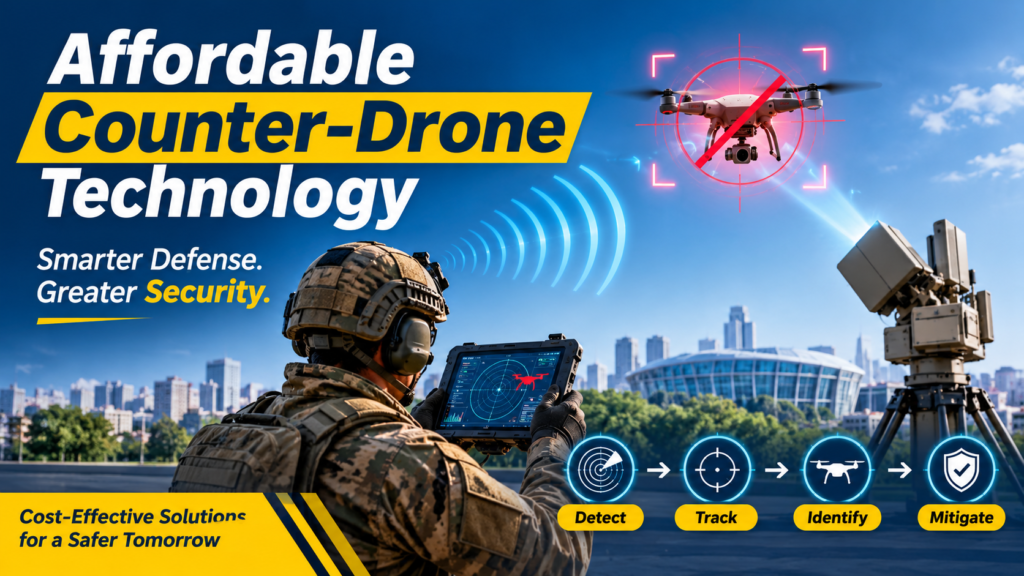
Affordable counter-drone technology is defense equipment that detects, tracks and stops hostile drones for roughly what it costs an attacker to launch them. That matters right now because Homeland Security Secretary Markwayne Mullin has repeatedly named drone defense as his biggest security worry, and because NATO has just opened a shared marketplace to speed up counter-drone buying.
Mullin’s underlying message is simple: attackers are scaling cheap drones faster than defenders are scaling cheap answers. A drone that costs a few hundred dollars should not force a defender to fire a six-figure missile, and every month that gap persists, it gets more expensive to protect stadiums, ports, airports and ships. This guide explains what affordable counter-drone technology actually means, why cost per intercept has become the number that decides procurement, how DHS is spending its money, and what the shift means for engineers and students in India.
Key takeaways
- The core problem is cost asymmetry: cheap attack drones versus expensive interceptors.
- DHS has awarded a five-year, $1.5 billion counter-UAS contract vehicle to 12 companies.
- NATO launched a Counter-UAS marketplace on 5 November 2026 so Allies can buy faster.
- Layered defense (detect, track, identify, mitigate) beats any single “silver bullet” device.
- The skills behind this market, such as RF engineering, computer vision and edge AI, are learnable and in demand.
What Is Affordable Counter-Drone Technology?
Definition
Affordable counter-drone technology refers to counter-unmanned aircraft systems (counter-UAS, or C-UAS) designed so that the cost of neutralizing each drone threat stays low enough to sustain at scale. It covers the full chain: sensors that find the drone, software that identifies it, and an “effector” that stops it.
Expansion: the four jobs every system must do
DHS procurement documents describe the same four functions in nearly every counter-drone requirement: detect, track, identify and mitigate. Affordability has to hold across all four, not just the final interception.
- Detect: radar, radio-frequency (RF) sensors, acoustic arrays and cameras notice that something is in the air.
- Track: the system follows the object so operators know where it is heading.
- Identify: software decides whether it is a hobbyist, a delivery drone, or a threat.
- Mitigate: an effector (jammer, cyber takeover, net, gun, laser or interceptor drone) stops it.
Why “affordable” is the operative word
A system can be technically brilliant and still be unaffordable in practice. If an interceptor costs far more than the drone it stops, a determined attacker can drain a defender’s budget and stockpile simply by launching more cheap drones. Affordable counter-drone technology is therefore less a product category than a design target: low cost per engagement, low cost to deploy at many sites, and low cost to keep supplied.
Why Is Markwayne Mullin Talking About Counter-Drone Defense?
What has Mullin said about drone defense?
Short answer: he has called it the area where DHS is most exposed. At a June 2026 budget hearing, Mullin told lawmakers, “The biggest concern I have is, honestly, with drone defense,” according to FedScoop’s coverage. DroneLife reported that he also said federal agencies and partners remained “a little behind” on standing up counter-UAS capability at every planned World Cup site.
He tied part of that delay to the partial government shutdown that ran from February 14 to April 30, which slowed funding for counter-UAS programs. As a result, DHS had to push back some longer-term plans, including capability intended for the 2028 Los Angeles Olympics, DroneLife reported.
What did the data from major events show?
Short answer: unauthorized drones show up everywhere crowds gather. Mullin said DHS disabled eight unauthorized drones at the Formula One Miami Grand Prix in May, and 12 drones breached the no-fly zone at the Masters Tournament in Augusta in April. He also said all 11 U.S. World Cup stadiums were equipped with counter-drone technology. Later reporting said that during the tournament, DHS, the FBI, the FAA and local and state law enforcement seized more than 700 unauthorized drones in restricted airspace across the 11 host cities.
Those numbers explain the urgency. Most of these incursions were not sophisticated attacks. They were ordinary, inexpensive drones flown by careless or curious operators, which is exactly the volume problem that expensive defenses cannot solve.
Why does Mullin’s framing matter for the market?
Short answer: when a cabinet-level official says the gap is about scale and resources, contracts follow. Mullin said DHS has spent a great deal on offensive drone capability while counter-drone measures lag, and he described the need for more resources as drone technology spreads. That kind of public prioritization tends to shape budgets, and budgets shape which vendors and technologies get built.
The Economics: Why Cost Per Intercept Decides Everything
What is cost asymmetry in drone warfare?
Cost asymmetry is the imbalance between what an attacker spends and what a defender must spend to stop that attack. One 2026 industry explainer put the problem in a single line: a $500 drone should not require a $100,000 missile. That figure is illustrative rather than an official price, but the logic holds across the market.
The attacker’s side of the ledger keeps shrinking. The Pentagon’s Drone Dominance program, for example, awarded about $450 million in its third phase for roughly 60,000 drones at unit prices of $5,000 in the Deep Strike category and $3,000 in the Close Quarters Battle category, according to a Potomac Officers Club summary of DroneLife reporting. If militaries can buy attack drones at those prices, defenders have to assume adversaries can too.
How do the main counter-drone approaches compare?
The table below compares the major approaches on cost and limits. Cost labels are relative, not quotes, and real prices vary by vendor and configuration.
| Approach | Relative cost per engagement | Best against | Main limitation |
|---|---|---|---|
| Missile interceptor | Very high | Large, fast or high-value threats | Cost mismatch against cheap drones |
| Gun or cannon fire | Low to moderate | Single drones at close range | Range, accuracy and collateral risk |
| Directed energy (laser) | Very low per shot | Swarms at short range | Weather, power supply, small-target range |
| RF jamming or cyber takeover | Low | Drones with radio links | Legal authority; weaker against autonomous drones |
| Interceptor drones | Low to moderate | Mobile and mid-range threats | Needs good detection cueing and mass production |
| Nets and kinetic launchers | Low | Close-range point defense | Short range, often single-shot |
Directed energy shows how far per-shot costs can fall. A UK Ministry of Defence system reported in 2024 was described as effective from up to one kilometer away at a cost of just 10 pence, about $0.12, per shot. Laser systems still face weather, power and range challenges against very small targets, so they complement rather than replace other layers.
Is cheaper always better?
Short answer: no. A cheap system that misses, misidentifies or cannot be fielded at scale is expensive in the ways that matter. The goal of affordable counter-drone technology is the lowest cost per successful, lawful mitigation, not the lowest sticker price. That is why DHS requirements specify performance floors, such as detecting a drone at a minimum range of 2 km, tracking at least three at once and mitigating threats at a minimum range of 500 meters.
How DHS Is Buying Counter-Drone Capability
What is the $1.5 billion counter-UAS contract?
Short answer: it is a five-year indefinite-delivery, indefinite-quantity (IDIQ) contract that gives DHS components a shared way to buy counter-drone tools. DHS named 12 companies across two tracks, according to Inside Unmanned Systems.
- Track 1 (hardware, software and related services): an estimated ceiling just over $1 billion, awarded to seven companies including Dedrone Defense, D-Fend Solutions, Leidos, Fortem Technologies and CACI.
- Track 2 (comprehensive services): a ceiling of roughly $489 million, covering counter-drone capability delivered as a fully managed service, plus integration and research and development.
For a buyer, this structure is a procurement shortcut: components such as the Secret Service, CBP and the Coast Guard can draw on pre-approved vendors instead of running separate competitions. Speed is itself a form of affordability, because delays leave sites unprotected.
Where is the FY2027 money going?
DHS’s fiscal 2027 request includes several counter-UAS lines, as summarized by GovConWire:
- CBP: $80 million for counter-UAS.
- Coast Guard: $22.2 million for counter-UAS, plus $69.1 million for unmanned aircraft systems.
- FEMA: a $500 million counter-UAS grant program funded through reconciliation, with remaining dollars going to states and territories in FY27.
DHS’s Science and Technology Directorate has also released a free C-UAS Purchasing Tool so first responders can compare options against mission needs, terrain and budget. For smaller agencies, that guidance matters as much as the grant money.
What about authority to act?
Technology is only half the equation. Mitigating a drone, especially by jamming or taking over its controls, raises legal questions about who is allowed to do it. During a House hearing, a lawmaker noted that last year’s NDAA authorized trained state and local law enforcement to detect, track and mitigate threatening drones. Wider authority makes affordable counter-drone technology far more useful, because it can be used by the many agencies that protect events rather than only a few federal teams.
Beyond DHS: NATO, the Pentagon and the Navy
What did NATO announce?
Short answer: a catalogue for faster buying. On 5 November 2026, NATO launched its Counter-UAS marketplace, letting Allies buy selected systems directly without a further tender. NATO’s agency selected 16 solutions from five companies: Alta Ares, Axon, Northrop Grumman, OSL UK and Quantum Systems. The framework contracts run 18 months with regular re-competitions, and €3.1 million is allocated for additional testing. The marketplace sits inside NATO’s Drone Edge initiative, under which Allies pledged more than $40 billion in counter-drone investment over five years.
How is the U.S. military scaling up?
The Department of War delivered 1,300 attack drones, 100 maritime vessels and 24,000 counter-drone systems to U.S. Central Command in 2026 as part of a $782 million effort, according to ExecutiveGov. The organization behind it was created to cut acquisition delays and get affordable technology to frontline troops. The lesson for the commercial sector is that mass production, not exotic design, is what turns a promising concept into fielded defense.
Why are navies part of the debate?
Counter-drone cost is not only a land problem. Shephard Media reported on 9 November that a French frigate used its gun to destroy a drone threatening a merchant ship at Bab el-Mandeb on the night of 1 to 2 October, and that lower engagement costs help navies preserve missile stocks during long escort missions. The same report cautioned that cheaper weapons only protect shipping if they are available where ships need defending, a reminder that affordability must come with logistics.
What Makes a Counter-Drone System Truly Affordable?
Affordable counter-drone technology is judged on the whole lifecycle, not only the purchase price. Buyers evaluating a system can ask these questions:
- Cost per engagement: what does each neutralized drone cost in consumables and replacement parts?
- Deployment cost: can it be installed at dozens of sites, or only a handful?
- Training burden: can local police or venue staff operate it after short training?
- Integration: does it plug into existing radar, cameras and command software?
- Upgrade path: can software updates keep pace as drones change?
- Supply chain: is there domestic production capacity? MyDefence, for example, opened a U.S. counter-drone production facility in Oklahoma City in March 2026.
- Legal fit: does the mitigation method match the operator’s legal authority?
What role does AI play?
AI mostly helps at the detect and identify stages. Passive acoustic and RF sensing, such as the systems Swedish-Finnish firm Monava is expanding, use machine learning to separate drones from birds and background noise. Better identification reduces false alarms, which keeps operating costs down because crews do not chase phantom threats.
Can low-cost tactics still matter?
Yes. A U.S. Naval Postgraduate School demonstration of a Detachable Drone Hijacker showed that a small, low-cost device attached to a drone can be used to intercept enemy drones. Startups are exploring similar ideas, such as a launcher that fires interceptors from a pneumatic tube. These approaches show that inventive engineering can move cost curves faster than waiting for a perfect, expensive platform.
How Should Buyers Read Vendor Claims?
Short answer: with a spreadsheet and a skeptical eye. Every vendor will say its product counts as affordable counter-drone technology, so buyers should convert marketing language into numbers they can compare. Ask for the full cost of ownership over five years, including sensors, training, software licenses, spare parts and replacement effectors. Ask for test results against the drone types you actually expect, not only against a vendor-selected demo target. Ask how many simultaneous threats the system handled and how many false alarms it produced per day.
A useful rule of thumb is to compare cost per protected site, not cost per device. A stadium, a prison, a port and a wildfire perimeter each need different sensor coverage, and a cheaper unit that needs three times as many installations may not be cheaper at all. Public tools, such as the DHS purchasing guide mentioned above, give smaller agencies a starting framework. When the evidence is thin, a short pilot with clear pass-or-fail criteria is the most reliable way to judge whether affordable counter-drone technology delivers what the brochure promises.
Risks and Limits to Keep in Mind
Is any single device enough? No. Autonomous or pre-programmed drones can ignore jamming, lasers struggle in poor weather, and guns raise collateral risk near crowds. Layered defense, combining sensors with several effector types, is the standard answer.
Can cheap systems create new problems? They can. Jamming can interfere with legitimate radio traffic, and false positives can disrupt operations. Operators need clear rules, training and oversight, not just hardware.
Will adversaries adapt? Almost certainly. As defenses improve, attackers shift to autonomous navigation, swarms and low, slow flight paths that are hard for radar to catch. Affordable counter-drone technology has to be updatable, not static.
What Does This Mean for India?
Drone threats are a global problem, and the skills behind affordable counter-drone technology are portable. Students and young professionals in India who build competence in the following areas are well placed for roles in defense tech, public safety and security engineering:
- RF and signal processing: spotting and classifying drone control links.
- Computer vision and edge AI: identifying drones in video on small, low-power hardware.
- Embedded systems and robotics: building and tuning interceptor platforms.
- Systems integration: connecting sensors, software and operator dashboards.
- Policy and compliance: understanding airspace rules, spectrum use and legal authority.
Procurement trends in the United States and NATO also signal where private-sector demand may head. When governments buy through shared catalogues and large contract vehicles, vendors that can show proven, low-cost, integrable products win. Indian startups and engineers can study these requirements as a practical blueprint.
Frequently Asked Questions
What is affordable counter-drone technology in one sentence?
It is counter-UAS equipment engineered so the cost of stopping each drone stays low enough to use at scale, ideally close to the cost of the drone being stopped.
Why is DHS Secretary Mullin focused on counter-drone defense?
He has said drone defense is his biggest concern and that DHS needs more resources as drone technology spreads, pointing to incursions at the Masters, the Miami Grand Prix and the World Cup.
How much is DHS spending on counter-UAS?
DHS awarded a five-year, $1.5 billion counter-UAS IDIQ to 12 companies, and its FY2027 request adds lines such as $80 million for CBP, $22.2 million for the Coast Guard and a $500 million FEMA grant program.
What is the cheapest way to stop a drone?
There is no single cheapest method. Directed energy has very low per-shot cost but weather and range limits, jamming is cheap but legally restricted, and interceptor drones sit in between. The best affordable counter-drone technology combines several.
What did NATO launch on 5 November 2026?
NATO launched a Counter-UAS marketplace with 16 pre-selected solutions from five companies so Allies can buy without separate tenders, as part of its Drone Edge initiative.
Build the Skills Behind the Next Defense Boom
Understanding affordable counter-drone technology starts with understanding the AI, sensing and systems engineering underneath it. Explore Kalinga.ai’s AI guides, workshops and training programs to build job-ready skills in edge AI, computer vision and applied machine learning, and follow our newsroom for plain-language analysis of the AI and defense-tech stories that shape careers in India.
ସୁଲଭ ‘କାଉଣ୍ଟର-ଡ୍ରୋନ୍’ (ଡ୍ରୋନ୍-ବିରୋଧୀ) ପ୍ରଯୁକ୍ତିବିଦ୍ୟା: DHS ସଚିବ ମୁଲିନ୍ଙ୍କ ପ୍ରୟାସ ପ୍ରତିରକ୍ଷା ବ୍ୟୟ ଉପରେ କି ପ୍ରଭାବ ପକାଇବ?
ସୁଲଭ ‘କାଉଣ୍ଟର-ଡ୍ରୋନ୍’ ପ୍ରଯୁକ୍ତିବିଦ୍ୟା ହେଉଛି ଏପରି ଏକ ପ୍ରତିରକ୍ଷା ଉପକରଣ, ଯାହା ଶତ୍ରୁପକ୍ଷର ଡ୍ରୋନ୍କୁ ଚିହ୍ନଟ କରିବା, ଅନୁସରଣ କରିବା ଏବଂ ଅକାମୀ କରିବାରେ ସକ୍ଷମ। ଏହାର ଖର୍ଚ୍ଚ ପ୍ରାୟ ସେତିକି ହୋଇଥାଏ, ଯେତିକି ଖର୍ଚ୍ଚ କରି ଶତ୍ରୁପକ୍ଷ ଡ୍ରୋନ୍କୁ ଆକ୍ରମଣ ପାଇଁ ପଠାଇଥାଏ। ବର୍ତ୍ତମାନ ଏହା ଅତ୍ୟନ୍ତ ଗୁରୁତ୍ୱପୂର୍ଣ୍ଣ, କାରଣ ‘ହୋମଲ୍ୟାଣ୍ଡ ସିକ୍ୟୁରିଟି’ (DHS) ସଚିବ ମାର୍କୱେନ୍ ମୁଲିନ୍ ବାରମ୍ବାର କହିଛନ୍ତି ଯେ ଡ୍ରୋନ୍ରୁ ସୁରକ୍ଷା ତାଙ୍କ ପାଇଁ ସବୁଠାରୁ ବଡ଼ ଚିନ୍ତାର ବିଷୟ। ଏହା ବ୍ୟତୀତ, ‘ନାଟୋ’ (NATO) ମଧ୍ୟ ଡ୍ରୋନ୍-ବିରୋଧୀ ଉପକରଣ କିଣିବା ପ୍ରକ୍ରିୟାକୁ ତ୍ୱରାନ୍ୱିତ କରିବା ପାଇଁ ଏକ ସାଧାରଣ ବଜାର (marketplace) ଆରମ୍ଭ କରିଛି।
ମୁଲିନ୍ଙ୍କ ମୁଖ୍ୟ ବାର୍ତ୍ତାଟି ସରଳ: ଆକ୍ରମଣକାରୀମାନେ ଯେଉଁ ଗତିରେ ଶସ୍ତା ଡ୍ରୋନ୍ର ବ୍ୟବହାର ବଢ଼ାଉଛନ୍ତି, ପ୍ରତିରକ୍ଷା ପକ୍ଷ ସେହି ଗତିରେ ଶସ୍ତା ପ୍ରତିରକ୍ଷା ସମାଧାନ ପ୍ରସ୍ତୁତ କରିପାରୁନାହାନ୍ତି। କିଛି ଶହ ଡଲାର ମୂଲ୍ୟର ଏକ ଡ୍ରୋନ୍କୁ ରୋକିବା ପାଇଁ ପ୍ରତିରକ୍ଷା ପକ୍ଷକୁ ଲକ୍ଷାଧିକ ଡଲାର ମୂଲ୍ୟର କ୍ଷେପଣାସ୍ତ୍ର (missile) ବ୍ୟବହାର କରିବା ଉଚିତ୍ ନୁହେଁ। ଯେତେ ଦିନ ପର୍ଯ୍ୟନ୍ତ ଏହି ଖର୍ଚ୍ଚର ପାର୍ଥକ୍ୟ ରହିବ, ସେତେ ଦିନ ପର୍ଯ୍ୟନ୍ତ ଷ୍ଟାଡିୟମ୍, ବନ୍ଦର, ବିମାନବନ୍ଦର ଏବଂ ଜାହାଜଗୁଡ଼ିକୁ ସୁରକ୍ଷା ଦେବା ଅଧିକ ବ୍ୟୟବହୁଳ ହେବ।
ଏହି ଲେଖାରେ ଆଲୋଚନା କରାଯାଇଛି ଯେ ‘ସୁଲଭ କାଉଣ୍ଟର-ଡ୍ରୋନ୍ ପ୍ରଯୁକ୍ତିବିଦ୍ୟା’ କହିଲେ ପ୍ରକୃତରେ କ’ଣ ବୁଝାଏ, କାହିଁକି ‘ପ୍ରତି ଡ୍ରୋନ୍କୁ ନିଷ୍କ୍ରିୟ କରିବାର ଖର୍ଚ୍ଚ’ (cost per intercept) କ୍ରୟ ନିଷ୍ପତ୍ତି ନେବାର ମୁଖ୍ୟ ମାନଦଣ୍ଡ ପାଲଟିଛି, DHS କିପରି ନିଜ ପାଣ୍ଠି ଖର୍ଚ୍ଚ କରୁଛି ଏବଂ ଏହି ପରିବର୍ତ୍ତନ ଭାରତର ଇଞ୍ଜିନିୟର ଓ ଛାତ୍ରଛାତ୍ରୀଙ୍କ ପାଇଁ କ’ଣ ଅର୍ଥ ରଖେ।
ମୁଖ୍ୟ ବିନ୍ଦୁଗୁଡ଼ିକ
ମୂଳ ସମସ୍ୟା ହେଉଛି ଖର୍ଚ୍ଚର ଅସମାନତା: ଶସ୍ତା ଆକ୍ରମଣକାରୀ ଡ୍ରୋନ୍ ବନାମ ଅତ୍ୟଧିକ ମୂଲ୍ୟବାନ ପ୍ରତିରକ୍ଷା ଉପକରଣ।
DHS ୧୨ କେବଳ ଶେଷ ପର୍ଯ୍ୟାୟ (ଅର୍ଥାତ୍ ଲକ୍ଷ୍ୟକୁ ଅଟକାଇବା) ରେ ନୁହେଁ, ବରଂ ଏହି ଚାରୋଟିଯାକ ପର୍ଯ୍ୟାୟରେ ବ୍ୟବସ୍ଥାଟି ଆର୍ଥିକ ଦୃଷ୍ଟିରୁ ସୁଲଭ (affordable) ହେବା ଆବଶ୍ୟକ।
ଚିହ୍ନଟ (Detect): ରାଡାର, ରେଡିଓ-ଫ୍ରିକ୍ୱେନ୍ସି (RF) ସେନ୍ସର, ଧ୍ୱନି-ଆଧାରିତ ସେନ୍ସର (acoustic arrays) ଏବଂ କ୍ୟାମେରା ମାଧ୍ୟମରେ ଆକାଶରେ କିଛି ଥିବା ବିଷୟ ଜଣାପଡ଼େ।
ଅନୁସରଣ (Track): ସିଷ୍ଟମଟି ସେହି ବସ୍ତୁକୁ ଅନୁସରଣ କରେ, ଯାହା ଫଳରେ ଅପରେଟରମାନେ ଜାଣିପାରନ୍ତି ଯେ ତାହା କେଉଁ ଆଡ଼କୁ ଯାଉଛି।
ପରିଚୟ ନିର୍ଦ୍ଧାରଣ (Identify): ସଫ୍ଟୱେର୍ ମାଧ୍ୟମରେ ସ୍ଥିର କରାଯାଏ ଯେ ଉକ୍ତ ବସ୍ତୁଟି କୌଣସି ସୌଖୀନ ବ୍ୟକ୍ତିଙ୍କ ଡ୍ରୋନ୍, ଡେଲିଭରୀ ଡ୍ରୋନ୍, ନା ଏହା ଏକ ବିପଦଜନକ ଡ୍ରୋନ୍।
ପ୍ରତିରୋଧ/ନିଷ୍କ୍ରିୟକରଣ (Mitigate): ବିଭିନ୍ନ ଉପକରଣ (ଯେପରିକି ଜାମର୍, ସାଇବର ନିୟନ୍ତ୍ରଣ, ଜାଲ, ବନ୍ଧୁକ, ଲେଜର କିମ୍ବା ପ୍ରତିରୋଧକ ଡ୍ରୋନ୍) ବ୍ୟବହାର କରି ସେହି ଡ୍ରୋନ୍କୁ ଅଟକାଇ ଦିଆଯାଏ।
“ସୁଲଭ” (Affordable) ଶବ୍ଦଟି କାହିଁକି ଏଠାରେ ଗୁରୁତ୍ୱପୂର୍ଣ୍ଣ?
ଏକ ସିଷ୍ଟମ ବୈଷୟିକ ଦୃଷ୍ଟିରୁ ଅତ୍ୟନ୍ତ ଉନ୍ନତ ହୋଇପାରେ, କିନ୍ତୁ ବ୍ୟାବହାରିକ କ୍ଷେତ୍ରରେ ତାହା ଅତ୍ୟଧିକ ମହଙ୍ଗା ହୋଇପାରେ। ଯଦି ଏକ ଡ୍ରୋନ୍କୁ ଅଟକାଇବା ପାଇଁ ବ୍ୟବହୃତ ହେଉଥିବା ସାଧନର ମୂଲ୍ୟ ସେହି ଡ୍ରୋନ୍ର ମୂଲ୍ୟ ଠାରୁ ବହୁତ ଅଧିକ ହୁଏ, ତେବେ ଜଣେ ଦୃଢ଼ ସଂକଳ୍ପବଦ୍ଧ ଆକ୍ରମଣକାରୀ କେବଳ ଅନେକ ଶସ୍ତା ଡ୍ରୋନ୍ ଛାଡ଼ି ପ୍ରତିରକ୍ଷାକାରୀ ପକ୍ଷର ବଜେଟ୍ ଏବଂ ସମ୍ବଳ ଭଣ୍ଡାରକୁ ଶେଷ କରିଦେଇପାରେ। ତେଣୁ, ‘ସୁଲଭ ଡ୍ରୋନ୍-ପ୍ରତିରୋଧୀ ପ୍ରଯୁକ୍ତିବିଦ୍ୟା’ କେବଳ ଏକ ଉତ୍ପାଦ ନୁହେଁ, ବରଂ ଏକ ଲକ୍ଷ୍ୟ ଅଟେ: ପ୍ରତ୍ୟେକ କାର୍ଯ୍ୟାନୁଷ୍ଠାନ ପାଇଁ କମ୍ ଖର୍ଚ୍ଚ, ବିଭିନ୍ନ ସ୍ଥାନରେ ସହଜରେ ମୁତୟନ କରିବା ପାଇଁ କମ୍ ଖର୍ଚ୍ଚ ଏବଂ ଏହାର ରକ୍ଷଣାବେକ୍ଷଣ ତଥା ଯୋଗାଣ ପାଇଁ କମ୍ ଖର୍ଚ୍ଚ।
ମାର୍କୱେନ୍ ମୁଲିନ୍ (Markwayne Mullin) କାହିଁକି ଡ୍ରୋନ୍-ପ୍ରତିରୋଧୀ ବ୍ୟବସ୍ଥା ବିଷୟରେ କଥା ହେଉଛନ୍ତି?
ଡ୍ରୋନ୍-ପ୍ରତିରୋଧୀ ବ୍ୟବସ୍ଥା ବିଷୟରେ ମୁଲିନ୍ କ’ଣ କହିଛନ୍ତି?
ସଂକ୍ଷେପରେ କହିଲେ: ସେ କହିଛନ୍ତି ଯ ସେ ଏହା ମଧ୍ୟ କହିଛନ୍ତି ଯେ ସମସ୍ତ 11 ଟି ଆମେରିକା ବିଶ୍ୱକପ୍ ଷ୍ଟାଡିୟମ୍ କାଉଣ୍ଟର-ଡ୍ରୋନ୍ ପ୍ରଯୁକ୍ତିବିଦ୍ୟାରେ ସଜ୍ଜିତ ଥିଲା। ପରେ ରିପୋର୍ଟିଂରେ କୁହାଯାଇଛି ଯେ ଟୁର୍ଣ୍ଣାମେଣ୍ଟ ସମୟରେ, DHS, FBI, FAA ଏବଂ ସ୍ଥାନୀୟ ଏବଂ ରାଜ୍ୟ ଆଇନ ପ୍ରବର୍ତ୍ତନକାରୀ 11 ଟି ଆୟୋଜକ ସହର ମଧ୍ୟରେ ପ୍ରତିବନ୍ଧିତ ଆକାଶମାର୍ଗରେ 700 ରୁ ଅଧିକ ଅନଧିକୃତ ଡ୍ରୋନ୍ ଜବତ କରିଥିଲେ।
ସେହି ସଂଖ୍ୟାଗୁଡ଼ିକ ଜରୁରୀତାକୁ ବ୍ୟାଖ୍ୟା କରେ। ଏହି ଅନୁପ୍ରବେଶଗୁଡ଼ିକ ମଧ୍ୟରୁ ଅଧିକାଂଶ ଅତ୍ୟାଧୁନିକ ଆକ୍ରମଣ ନଥିଲା। ସେମାନେ ଅସାବଧାନ କିମ୍ବା କୌତୁହଳୀ ଅପରେଟରମାନଙ୍କ ଦ୍ୱାରା ଉଡ଼ାଯାଇଥିବା ସାଧାରଣ, ଶସ୍ତା ଡ୍ରୋନ୍ ଥିଲା, ଯାହା ଠିକ୍ ପରିମାଣ ସମସ୍ୟା ଯାହାକୁ ମହଙ୍ଗା ପ୍ରତିରକ୍ଷା ସମାଧାନ କରିପାରିବ ନାହିଁ।
ମୁଲିନ୍ଙ୍କ ଫ୍ରେମିଂ ବଜାର ପାଇଁ କାହିଁକି ଗୁରୁତ୍ୱପୂର୍ଣ୍ଣ?
ସଂକ୍ଷିପ୍ତ ଉତ୍ତର: ଯେତେବେଳେ ଜଣେ କ୍ୟାବିନେଟ୍-ସ୍ତରୀୟ ଅଧିକାରୀ କୁହନ୍ତି ଯେ ଏହି ବ୍ୟବଧାନ ସ୍କେଲ୍ ଏବଂ ସମ୍ବଳ ବିଷୟରେ, ଚୁକ୍ତିନାମା ଅନୁସରଣ କରାଯାଏ। ମୁଲିନ୍ କହିଛନ୍ତି ଯେ DHS ଆକ୍ରମଣାତ୍ମକ ଡ୍ରୋନ୍ କ୍ଷମତା ଉପରେ ବହୁତ ଖର୍ଚ୍ଚ କରିଛି ଯେତେବେଳେ କାଉଣ୍ଟର-ଡ୍ରୋନ୍ ପଦକ୍ଷେପ ବିଳମ୍ବ ହେଉଛି, ଏବଂ ସେ ଡ୍ରୋନ୍ ପ୍ରଯୁକ୍ତିବିଦ୍ୟା ବ୍ୟାପିବା ସହିତ ଅଧିକ ସମ୍ବଳର ଆବଶ୍ୟକତା ବର୍ଣ୍ଣନା କରିଛନ୍ତି। ଏହି ପ୍ରକାରର ସାର୍ବଜନୀନ ପ୍ରାଥମିକତା ଆକୃତି ପ୍ରଦାନ କରେ।ବଜେଟ୍ଗୁଡ଼ିକ ହିଁ ସ୍ଥିର କରେ ଯେ କେଉଁ ବିକ୍ରେତା (vendors) ଏବଂ କେଉଁ ପ୍ରଯୁକ୍ତିବିଦ୍ୟା ବିକଶିତ ହେବ।
ଅର୍ଥନୀତି: ‘ପ୍ରତି ଇଣ୍ଟରସେପ୍ଟ’ (ଅର୍ଥାତ୍ ପ୍ରତି ଆକ୍ରମଣକୁ ରୋକିବା) ପାଇଁ ହେଉଥିବା ଖର୍ଚ୍ଚ କାହିଁକି ସବୁକିଛି ନିର୍ଦ୍ଧାରଣ କରେ?
ଡ୍ରୋନ୍ ଯୁଦ୍ଧରେ ‘ଖର୍ଚ୍ଚ ଅସମାନତା’ (cost asymmetry) କ’ଣ?
‘ଖର୍ଚ୍ଚ ଅସମାନତା’ ହେଉଛି ଆକ୍ରମଣକାରୀଙ୍କ ଖର୍ଚ୍ଚ ଏବଂ ସେହି ଆକ୍ରମଣକୁ ରୋକିବା ପାଇଁ ପ୍ରତିରକ୍ଷାକାରୀଙ୍କୁ କରିବାକୁ ପଡ଼ୁଥିବା ଖର୍ଚ୍ଚ ମଧ୍ୟରେ ଥିବା ଅସନ୍ତୁଳନ। ୨୦୨୬ ମସିହାର ଏକ ଶିଳ୍ପ-ବିଶ୍ଳେଷଣରେ ଏହି ସମସ୍ୟାକୁ ଏକ ଧାଡ଼ିରେ ବୁଝାଯାଇଛି: ଏକ ୫୦୦ ଡଲାର ମୂଲ୍ୟର ଡ୍ରୋନ୍କୁ ଖସାଇବା ପାଇଁ ୧,୦୦,୦୦୦ ଡଲାର ମୂଲ୍ୟର କ୍ଷେପଣାସ୍ତ୍ର (missile) ବ୍ୟବହାର କରିବା ଉଚିତ୍ ନୁହେଁ। ଏହି ସଂଖ୍ୟାଟି କେବଳ ଏକ ଉଦାହରଣ ମାତ୍ର, କୌଣସି ନିର୍ଦ୍ଦିଷ୍ଟ ସରକାରୀ ମୂଲ୍ୟ ନୁହେଁ; କିନ୍ତୁ ସମଗ୍ର ବଜାର କ୍ଷେତ୍ରରେ ଏହି ତର୍କ ପ୍ରଯୁଜ୍ୟ ଅଟେ।
ଆକ୍ରମଣକାରୀଙ୍କ ପକ୍ଷରେ ଖର୍ଚ୍ଚର ପରିମାଣ କ୍ରମାଗତ ଭାବେ ହ୍ରାସ ପାଉଛି। ଉଦାହରଣ ସ୍ୱରୂପ, ପେଣ୍ଟାଗନ୍ର ‘ଡ୍ରୋନ୍ ଡୋମିନାନସ୍’ (Drone Life ରିପୋର୍ଟିଂ ଉପରେ ଆଧାରିତ ‘ପୋଟୋମାକ୍ ଅଫିସର୍ସ କ୍ଲବ୍’ର ସାରାଂଶ ଅନୁଯାୟୀ) କାର୍ଯ୍ୟକ୍ରମର ତୃତୀୟ ପର୍ଯ୍ୟାୟରେ ପ୍ରାୟ ୬୦,୦୦୦ ଡ୍ରୋନ୍ ପାଇଁ ୪୫୦ ନିୟୁତ ଡଲାରର ଚୁକ୍ତି କରାଯାଇଥିଲା। ଏଥିରେ ‘ଡିପ୍ ଷ୍ଟ୍ରାଇକ୍’ (ଦୂରବର୍ତ୍ତୀ ଲକ୍ଷ୍ୟ ଭେଦ) ବର୍ଗର ଡ୍ରୋନ୍ଗୁଡ଼ିକର ମୂଲ୍ୟ ୫,୦୦୦ ଡଲାର ଏବଂ ‘କ୍ଲୋଜ୍ କ୍ୱାର୍ଟର୍ସ ବ୍ୟାଟଲ୍’ (ନିକଟତର ଯୁଦ୍ଧ) ବର୍ଗର ଡ୍ରୋନ୍ଗୁଡ଼ିକର ମୂଲ୍ୟ ୩,୦୦୦ ଡଲାର ଥିଲା। ଯଦି ସେନାବାହିନୀ ଏତେ କମ୍ ମୂଲ୍ୟରେ ଆକ୍ରମଣକାରୀ ଡ୍ରୋନ୍ କିଣିପାରୁଛି, ତେବେ ପ୍ରତିରକ୍ଷାକାରୀଙ୍କୁ ଏହା ମଧ୍ୟ ଧରିନେବାକୁ ପଡ଼ିବ ଯେ ଶତ୍ରୁପକ୍ଷ ମଧ୍ୟ ସେହି ସୁବିଧା ପାଇପାରନ୍ତି।
ଡ୍ରୋନ୍ ମୁକାବିଲା କରିବାର ପ୍ରମୁଖ ପଦ୍ଧତିଗୁଡ଼ିକ ମଧ୍ୟରେ ତୁଳନା କିପରି?
ନିମ୍ନ ସାରଣୀରେ ବିଭିନ୍ନ ମୁଖ୍ୟ ପଦ୍ଧତିଗୁଡ଼ିକୁ ସେମାନଙ୍କ ଖର୍ଚ୍ଚ ଏବଂ ସୀମାବଦ୍ଧତା ଆଧାରରେ ତୁଳନା କ ୨୦୨୪ ମସିହାରେ ରିପୋର୍ଟ କରାଯାଇଥିବା ବ୍ରିଟେନର ପ୍ରତିରକ୍ଷା ମନ୍ତ୍ରଣାଳୟର ଏକ ପ୍ରଣାଳୀ (system) ବିଷୟରେ କୁହାଯାଇଛି ଯେ, ଏହା ଏକ କିଲୋମିଟର ଦୂରତା ପର୍ଯ୍ୟନ୍ତ ପ୍ରଭାବଶାଳୀ ଏବଂ ଏଥିରେ ପ୍ରତି ଥର ଗୁଳି ଚାଳନା ପାଇଁ ମାତ୍ର ୧୦ ପେନ୍ସ (ପ୍ରାୟ ୦.୧୨ ଆମେରିକୀୟ ଡଲାର) ଖର୍ଚ୍ଚ ହୁଏ। ଅତ୍ୟନ୍ତ ଛୋଟ ଲକ୍ଷ୍ୟବସ୍ତୁ ବିରୁଦ୍ଧରେ ଲେଜର ପ୍ରଣାଳୀଗୁଡ଼ିକ ପାଗ, ଶକ୍ତି (power) ଏବଂ ଦୂରତା ସମ୍ବନ୍ଧୀୟ ଆହ୍ୱାନର ସମ୍ମୁଖୀନ ହୋଇଥାନ୍ତି; ତେଣୁ ଏଗୁଡ଼ିକ ଅନ୍ୟାନ୍ୟ ପ୍ରତିରକ୍ଷା ବ୍ୟବସ୍ଥାକୁ ସମ୍ପୂର୍ଣ୍ଣ ରୂପେ ବଦଳାଇବା ପରିବର୍ତ୍ତେ, ସେଗୁଡ଼ିକର ଏକ ପରିପୂରକ ଭାବରେ କାର୍ଯ୍ୟ କରନ୍ତି।
କ’ଣ ଶସ୍ତା ଜିନିଷ ସବୁବେଳେ ଭଲ ହୋଇଥାଏ?
ସଂକ୍ଷିପ୍ତ ଉତ୍ତର: ନା। ଯଦି ଏକ ଶସ୍ତା ପ୍ରଣାଳୀ ଲକ୍ଷ୍ୟଭ୍ରଷ୍ଟ ହୁଏ, ଭୁଲ୍ ଚିହ୍ନଟ କରେ କିମ୍ବା ବ୍ୟାପକ ସ୍ତରରେ ବ୍ୟବହାର ଉପଯୋଗୀ ନୁହେଁ, ତେବେ ତାହା ପ୍ରକୃତରେ ବହୁତ ମହଙ୍ଗା ସାବ୍ୟସ୍ତ ହୁଏ। ଡ୍ରୋନ୍-ବିରୋଧୀ (counter-drone) ପ୍ରଯୁକ୍ତିବିଦ୍ୟାର ମୁଖ୍ୟ ଲକ୍ଷ୍ୟ ହେଉଛି ପ୍ରତ୍ୟେକ ସଫଳ ଏବଂ ଆଇନସମ୍ମତ କାର୍ଯ୍ୟାନୁଷ୍ଠାନ ପାଇଁ ସର୍ବନିମ୍ନ ଖର୍ଚ୍ଚ ନିଶ୍ଚିତ କରିବା, କେବଳ ଉପକରଣର ମୂଳ ମୂଲ୍ୟ (sticker price) କମ୍ ରଖିବା ନୁହେଁ। ଏହି କାରଣରୁ, ଡିଏଚ୍ଏସ୍ (DHS – ଆମେରିକାର ହୋମଲ୍ୟାଣ୍ଡ ସିକ୍ୟୁରିଟି ବିଭାଗ) କିଛି ନିର୍ଦ୍ଦିଷ୍ଟ କାର୍ଯ୍ୟଦକ୍ଷତା ମାନଦଣ୍ଡ ସ୍ଥିର କରିଛି; ଯେପରିକି – ଅତିକମରେ ୨ କିଲୋମିଟର ଦୂରତାରୁ ଡ୍ରୋନ୍ ଚିହ୍ନଟ କରିବା, ଏକାସାଙ୍ଗରେ ଅତିକମରେ ତିନୋଟି ଡ୍ରୋନ୍କୁ ଟ୍ରାକ୍ କରିବା ଏବଂ ୫୦୦ ମିଟର ଦୂରତାରୁ ବିପଦକୁ ନିଷ୍କ୍ରିୟ କରିବା।
ଡିଏଚ୍ଏସ୍ (DHS) କିପରି ଡ୍ରୋନ୍-ବିରୋଧୀ କ୍ଷମତା ହାସଲ କରୁଛି?
୧.୫ ବିଲିୟନ ଡଲାରର ‘କାଉଣ୍ଟର-ୟୁଏଏସ୍’ (counter-UAS) ଚୁକ୍ତିନାମା କ’ଣ?
ସଂକ୍ଷିପ୍ତ ଉତ୍ତର: ଏହା ଏକ ପାଞ୍ଚ ବର୍ଷିଆ ‘ଅନିର୍ଦ୍ଦିଷ୍ଟ-ବିତରଣ, ଅନିର୍ଦ୍ଦିଷ୍ଟ-ପରିମାଣ’ (IDIQ) ଚୁକ୍ତିନାମା, ଯାହା ଡିଏଚ୍ଏସ୍ର ବିଭିନ୍ନ ବିଭାଗକୁ ଡ୍ରୋନ୍-ବିରୋଧୀ ଉପକରଣ କିଣିବା ପାଇଁ ଏକ ସାଧାରଣ ମାଧ୍ୟମ ଯୋଗାଇଥାଏ। ‘ଇନ କୋଷ୍ଟ ଗାର୍ଡ (Coast Guard): ‘କାଉଣ୍ଟର-UAS’ (ଡ୍ରୋନ୍-ବିରୋଧୀ ବ୍ୟବସ୍ଥା) ପାଇଁ ୨୨.୨ ନିୟୁତ ଡଲାର ଏବଂ ମାନବବିହୀନ ବିମାନ ପ୍ରଣାଳୀ (unmanned aircraft systems) ପାଇଁ ୬୯.୧ ନିୟୁତ ଡଲାର।
FEMA: ‘ବଜେଟ୍ ସମନ୍ୱୟ ପ୍ରକ୍ରିୟା’ (reconciliation) ମାଧ୍ୟମରେ ‘କାଉଣ୍ଟର-UAS’ ପାଇଁ ୫୦୦ ନିୟୁତ ଡଲାରର ଏକ ଅନୁଦାନ କାର୍ଯ୍ୟକ୍ରମ; ଏଥିରୁ ବଳକା ଅର୍ଥ ୨୦୨୭ ଆର୍ଥିକ ବର୍ଷରେ (FY27) ବିଭିନ୍ନ ରାଜ୍ୟ ଓ ଅଞ୍ଚଳଗୁଡ଼ିକୁ ପ୍ରଦାନ କରାଯିବ।
DHS (ହୋମଲ୍ୟାଣ୍ଡ ସିକ୍ୟୁରିଟି ବିଭାଗ) ର ବିଜ୍ଞାନ ଓ ପ୍ରଯୁକ୍ତିବିଦ୍ୟା ନିର୍ଦ୍ଦେଶାଳୟ ଏକ ମାଗଣା ‘C-UAS କ୍ରୟ ସହାୟକ ଉପକରଣ’ (C-UAS Purchasing Tool) ଜାରି କରିଛି। ଏହା ସାହାଯ୍ୟରେ ଜରୁରୀକାଳୀନ ସେବା ପ୍ରଦାନକାରୀ ସଂସ୍ଥାଗୁଡ଼ିକ ନିଜର ମିଶନ୍ ଆବଶ୍ୟକତା, ଭୌଗୋଳିକ ପରିସ୍ଥିତି ଏବଂ ବଜେଟ୍ ଅନୁଯାୟୀ ବିଭିନ୍ନ ବିକଳ୍ପଗୁଡ଼ିକୁ ତୁଳନା କରିପାରିବେ। ଛୋଟ ସଂସ୍ଥାଗୁଡ଼ିକ ପାଇଁ, ଏହି ମାର୍ଗଦର୍ଶିକା ଅନୁଦାନ ଅର୍ଥ ଭଳି ହିଁ ଗୁରୁତ୍ୱପୂର୍ଣ୍ଣ ଅଟେ।
କାର୍ଯ୍ୟାନୁଷ୍ଠାନ ଗ୍ରହଣ କରିବା ପାଇଁ ଅଧିକାର କଥା କ’ଣ?
କେବଳ ପ୍ରଯୁକ୍ତିବିଦ୍ୟା ହିଁ ସମାଧାନର ସମ୍ପୂର୍ଣ୍ଣ ରୂପ ନୁହେଁ। ଏକ ଡ୍ରୋନ୍କୁ ନିଷ୍କ୍ରିୟ କରିବା — ବିଶେଷକରି ସିଗନାଲ୍ ଜାମ୍ (jamming) କରି କିମ୍ବା ଏହାର ନିୟନ୍ତ୍ରଣ ନିଜ ହାତକୁ ନେଇ — ଏହା କିଏ କରିପାରିବ, ସେ ନେଇ ଆଇନଗତ ପ୍ରଶ୍ନ ସୃଷ୍ଟି କରେ। ‘ହାଉସ୍’ (House) ଶୁଣାଣି ସମୟରେ, ଜଣେ ଆଇନ ପ୍ରଣେତା ଉଲ୍ଲେଖ କରିଥିଲେ ଯେ ଗତ ବର୍ଷର NDAA (ନ୍ୟାସନାଲ ଡିଫେନ୍ସ ଅଥରାଇଜେସନ୍ ଆକ୍ଟ) ଅନୁଯାୟୀ, ରାଜ୍ୟ ଓ ସ୍ଥାନୀୟ ସ୍ତରର ପ୍ରଶିକ୍ଷିତ ଆଇନ ପ୍ରବର୍ତ୍ତନକାରୀ ସଂସ୍ଥାଗୁଡ଼ିକୁ ବିପଦ ସୃଷ୍ଟି କରୁଥିବା ଡ୍ରୋନ୍ଗୁଡ଼ିକୁ ଚିହ୍ନଟ କରିବା, ଟ୍ରାକ୍ କରିବା ଏବଂ ନିଷ୍କ୍ରିୟ କରିବା ପାଇଁ ଅଧିକାର ଦିଆଯାଇଛି।
ଅଧିକ ବ୍ୟାପକ କ୍ଷେତ୍ରରେ କାର୍ଯ୍ୟ କରିବାର ଅଧିକାର ମିଳିଲେ, ସୁଲଭ ମୂଲ୍ୟର ଡ୍ରୋନ୍-ବିରୋଧୀ ପ୍ରଯୁକ୍ତିବିଦ୍ୟା ଅଧିକ ଉପଯୋଗୀ ହୋଇପାରିବ। କାରଣ, ଏହା କେବଳ କିଛି ନିର୍ଦ୍ଦିଷ୍ଟ କେନ୍ଦ୍ରୀୟ (ଫେଡେରାଲ୍) ଦଳ ଦ୍ୱାରା ନୁହେଁ, ବରଂ ବିଭିନ୍ନ କାର୍ଯ୍ୟକ୍ରମ ଓ ଇଭେଣ୍ଟର ସୁରକ୍ଷା ଦାୟିତ୍ୱରେ ଥି’କାଉଣ୍ଟର-ୟୁଏଏସ୍’ (Counter-UAS) ବା ଡ୍ରୋନ୍-ବିରୋଧୀ ବ୍ୟବସ୍ଥା ପାଇଁ ଏକ ବଜାର (marketplace) ସୃଷ୍ଟି କରାଯାଇଛି, ଯାହା ମାଧ୍ୟମରେ ନାଟୋ (NATO) ସହଯୋଗୀ ଦେଶଗୁଡ଼ିକ କୌଣସି ନୂତନ ଟେଣ୍ଡର ପ୍ରକ୍ରିୟା ବିନା ସିଧାସଳଖ ନିର୍ଦ୍ଦିଷ୍ଟ ପ୍ରଣାଳୀ କ୍ରୟ କରିପାରିବେ।
ନାଟୋର ଏକ ସଂସ୍ଥା ପାଞ୍ଚଟି କମ୍ପାନୀ—ଆଲଟା ଆରେସ୍ (Alta Ares), ଆକ୍ସନ୍ (Axon), ନର୍ଥରୋପ ଗ୍ରୁମାନ (Northrop Grumman), ଓଏସ୍ଏଲ୍ ୟୁକେ (OSL UK) ଏବଂ କ୍ୱାଣ୍ଟମ୍ ସିଷ୍ଟମ୍ସ (Quantum Systems)—ଠାରୁ ୧୬ଟି ସମାଧାନ ବା ପ୍ରଣାଳୀ ଚୟନ କରିଛି। ଏହି ଢାଞ୍ଚାଗତ ଚୁକ୍ତିନାମାଗୁଡ଼ିକ ୧୮ ମାସ ପାଇଁ ବଳବତ୍ତର ରହିବ ଏବଂ ଏଥିପାଇଁ ନିୟମିତ ବ୍ୟବଧାନରେ ପୁନଃ-ପ୍ରତିଯୋଗିତା (re-competitions) ଅନୁଷ୍ଠିତ ହେବ; ଏହା ବ୍ୟତୀତ ଅତିରିକ୍ତ ପରୀକ୍ଷଣ ପାଇଁ ୩.୧ ନିୟୁତ ୟୁରୋ (€3.1 million) ଆବଣ୍ଟନ କରାଯାଇଛି। ଏହି ବଜାର ବ୍ୟବସ୍ଥା ନାଟୋର ‘ଡ୍ରୋନ୍ ଏଜ୍’ (Drone Edge) ପଦକ୍ଷେପ ଅଧୀନରେ ରହିଛି, ଯାହା ଅନ୍ତର୍ଗତ ସହଯୋଗୀ ଦେଶଗୁଡ଼ିକ ଆଗାମୀ ପାଞ୍ଚ ବର୍ଷ ମଧ୍ୟରେ ଡ୍ରୋନ୍-ବିରୋଧୀ କ୍ଷେତ୍ରରେ ୪୦ ବିଲିୟନ ଡଲାରରୁ ଅଧିକ ନିବେଶ କରିବାକୁ ପ୍ରତିଶ୍ରୁତି ଦେଇଛନ୍ତି।
ଆମେରିକୀୟ ସେନା କିପରି ନିଜର କ୍ଷମତା ବୃଦ୍ଧି କରୁଛି?
‘ଏକ୍ଜିକ୍ୟୁଟିଭ୍ଗଭ୍’ (ExecutiveGov) ଅନୁଯାୟୀ, ୭୮୨ ନିୟୁତ ଡଲାର ମୂଲ୍ୟର ଏକ ପ୍ରକଳ୍ପ ଅଧୀନରେ, ଆମେରିକାର ପ୍ରତିରକ୍ଷା ବିଭାଗ ୨୦୨୬ ମସିହାରେ ‘ୟୁଏସ୍ ସେଣ୍ଟ୍ରାଲ୍ କମାଣ୍ଡ’ (U.S. Central Command) କୁ ୧,୩୦୦ଟି ଆକ୍ରମଣକାରୀ ଡ୍ରୋନ୍, ୧୦୦ଟି ସାମୁଦ୍ରିକ ଜାହାଜ ଏବଂ ୨୪,୦୦୦ଟି ଡ୍ରୋନ୍-ବିରୋଧୀ ପ୍ରଣାଳୀ ଯୋଗାଇ ଦେଇଛି।
ଏହି କାର୍ଯ୍ୟ ପଛରେ ଥିବା ସଂସ୍ଥାଟିକୁ ଉପକରଣ ସଂଗ୍ରହ ପ୍ରକ୍ରିୟାରେ ହେଉଥିବା ବିଳମ୍ବକୁ କମାଇବା ଏବଂ ସୀମାନ୍ତରେ ନିୟୋଜିତ ସୈନିକମାନଙ୍କ ନିକଟରେ ସୁଲଭ ମୂଲ୍ୟର ପ୍ରଯୁକ୍ତିବିଦ୍ୟା ପହଞ୍ଚାଇବା ଲକ୍ଷ୍ୟରେ ଗଠନ କରାଯାଇଥିଲା। ବାଣିଜ୍ୟିକ କ୍ଷେତ୍ର ପାଇଁ ଏଥିରୁ ଶିଖିବାକୁ ମିଳେ ଯେ, କୌଣସି ଜଟିଳ ବା ଅତ୍ୟାଧୁନିକ ଡିଜାଇନ୍ ଅପେକ୍ଷା ବ୍ୟାପକ ଉତ୍ପାଦନ (mass production) ହିଁ ଏକ ଆଶାପ୍ରଦ ଧାରଣାକୁ ପ୍ରକୃତ ପ୍ରତିରକ୍ଷା ବ୍ୟବସ୍ଥାରେ ପରିଣତ କରିଥାଏ।
ନୌସେନାଗ ଅପଗ୍ରେଡ୍ (ଉନ୍ନୟନ) ପ୍ରକ୍ରିୟା: ଡ୍ରୋନ୍ଗୁଡ଼ିକରେ ପରିବର୍ତ୍ତନ ଆସିବା ସହିତ ସଫ୍ଟୱେର୍ ଅପଡେଟ୍ଗୁଡ଼ିକ ମଧ୍ୟ ସେହି ଗତିରେ ଆଗକୁ ବଢ଼ିପାରିବ କି?
ଯୋଗାଣ ଶୃଙ୍ଖଳା (Supply chain): ଦେଶ ମଧ୍ୟରେ ଉତ୍ପାଦନ କ୍ଷମତା ଅଛି କି? ଉଦାହରଣ ସ୍ୱରୂପ, ‘ମାଇଡିଫେନ୍ସ’ (MyDefence) ନାମକ ଏକ କମ୍ପାନୀ ମାର୍ଚ୍ଚ ୨୦୨୬ରେ ଓକ୍ଲାହୋମା ସିଟିରେ ଡ୍ରୋନ୍-ବିରୋଧୀ ଉପକରଣ ଉତ୍ପାଦନ ପାଇଁ ଏକ କେନ୍ଦ୍ର ଖୋଲିଥିଲା।
ଆଇନଗତ ସୁସଙ୍ଗତତା: ଡ୍ରୋନ୍କୁ ନିୟନ୍ତ୍ରଣ କିମ୍ବା ନିଷ୍କ୍ରିୟ କରିବା ପାଇଁ ବ୍ୟବହୃତ ପଦ୍ଧତି, ଅପରେଟରଙ୍କ ଆଇନଗତ କ୍ଷମତା ସହିତ ମେଳ ଖାଉଛି କି?
ଏଥିରେ AI (କୃତ୍ରିମ ବୁଦ୍ଧିମତ୍ତା) କ’ଣ ଭୂମିକା ଗ୍ରହଣ କରେ?
AI ମୁଖ୍ୟତଃ ଡ୍ରୋନ୍କୁ ଠାବ କରିବା (detect) ଏବଂ ଚିହ୍ନଟ କରିବା (identify) ପର୍ଯ୍ୟାୟରେ ସାହାଯ୍ୟ କରେ। ସ୍ୱିଡିଶ୍-ଫିନିଶ୍ କମ୍ପାନୀ ‘ମୋନାଭା’ (Monava) ଦ୍ୱାରା ବିକଶିତ ହେଉଥିବା ପ୍ରଣାଳୀ ପରି, କିଛି ବ୍ୟବସ୍ଥା ଶବ୍ଦ (acoustic) ଏବଂ ରେଡିଓ ଫ୍ରିକ୍ୱେନ୍ସି (RF) ସେନ୍ସିଂ ବ୍ୟବହାର କରନ୍ତି। ଏଥିରେ ‘ମେସିନ୍ ଲର୍ନିଂ’ ମାଧ୍ୟମରେ ଡ୍ରୋନ୍କୁ ପକ୍ଷୀ କିମ୍ବା ଅନ୍ୟାନ୍ୟ ପାରିପାର୍ଶ୍ୱିକ ଶବ୍ଦଠାରୁ ଅଲଗା ଚିହ୍ନଟ କରାଯାଏ। ସଠିକ୍ ଚିହ୍ନଟ ହେଲେ ଭୁଲ୍ ସତର୍କ ସୂଚନା (false alarms) କମିଯାଏ, ଯାହା ଫଳରେ ଅପରେସନାଲ୍ ଖର୍ଚ୍ଚ ମଧ୍ୟ କମ୍ ରହେ; କାରଣ କର୍ମଚାରୀମାନଙ୍କୁ ଆଉ କୌଣସି ଅସ୍ତିତ୍ୱ ନଥିବା ବିପଦ ପଛରେ ଦୌଡ଼ିବାକୁ ପଡ଼େ ନାହିଁ।
କମ୍ ଖର୍ଚ୍ଚବହୁଳ କୌଶଳଗୁଡ଼ିକ କ’ଣ ଏବେ ମଧ୍ୟ ଫଳପ୍ରଦ ହୋଇପାରେ?
ହଁ। ଆମେରିକାର ‘ନେଭାଲ୍ ପୋଷ୍ଟଗ୍ରାଜୁଏଟ୍ ସ୍କୁଲ୍’ (Naval Postgraduate School) ଦ୍ୱାରା ପ୍ରଦର୍ଶିତ ଏକ ‘ଡିଟାଚେବଲ୍ ଡ୍ରୋନ୍ ହାଇଜ୍ୟାକର୍’ (Detachable Drone Hijacker)ରୁ ଜଣାପଡ଼ିଲା ଯେ, ଡ୍ରୋନ୍ରେ ଲଗାଯାଇପାରୁଥିବା ଏକ ଛୋଟ ଓ ଶସ୍ତା ଉପକରଣ ସାହାଯ୍ୟରେ ଶତ୍ରୁପକ୍ଷର ଡ୍ରୋନ୍କୁ ଅଟକାଯାଇପାରିବ।
ଅନେକ ଷ୍ଟାର୍ଟଅପ୍ କମ୍ପାନୀ ଏହିପରି ଧାରଣା ଉପରେ କାମ କରୁଛନ୍ତି; ଯେପରିକି ଏକ ଲଞ୍ଚର୍, ଯାହା ଏକ ନିଉମାଟିକ୍ ଟ୍ୟୁବ୍ (ବାୟୁ ଚାଳିତ ନଳୀ) ମାଧ୍ୟମରେ ଡ୍ରୋନ୍କୁ ଅଟକାଇବା ପାଇଁ ଉପ ଯେତେବେଳେ ପ୍ରମାଣ କ୍ଷୀଣ ଥାଏ, ସେତେବେଳେ ସ୍ପଷ୍ଟ ପାସ୍-ଅଥବା-ଫେଲ୍ ମାନଦଣ୍ଡ ସହିତ ଏକ ଛୋଟ ପାଇଲଟ୍ ହେଉଛି ବିଚାର କରିବାର ସବୁଠାରୁ ନିର୍ଭରଯୋଗ୍ୟ ଉପାୟ ଯେ ସୁଲଭ କାଉଣ୍ଟର-ଡ୍ରୋନ୍ ପ୍ରଯୁକ୍ତିବିଦ୍ୟା ବ୍ରୋଶରରେ ପ୍ରତିଶ୍ରୁତି ଦିଆଯାଇଥିବା କଥା ପୂରଣ କରେ କି ନାହିଁ।
ମନେ ରଖିବାକୁ ବିପଦ ଏବଂ ସୀମା
କୌଣସି ଏକକ ଡିଭାଇସ୍ ଯଥେଷ୍ଟ କି? ନା। ସ୍ୱୟଂଶାସିତ କିମ୍ବା ପୂର୍ବ-ପ୍ରୋଗ୍ରାମଡ୍ ଡ୍ରୋନ୍ ଜାମିଂକୁ ଅଣଦେଖା କରିପାରେ, ଲେଜର୍ ଖରାପ ପାଗରେ ସଂଘର୍ଷ କରେ, ଏବଂ ବନ୍ଧୁକଗୁଡ଼ିକ ଭିଡ଼ ନିକଟରେ ସମାନ୍ତରାଳ ବିପଦ ବୃଦ୍ଧି କରେ। ସ୍ତରୀକୃତ ପ୍ରତିରକ୍ଷା, ସେନ୍ସରଗୁଡ଼ିକୁ ଅନେକ ପ୍ରଭାବକ ପ୍ରକାର ସହିତ ମିଶ୍ରଣ କରି, ମାନକ ଉତ୍ତର।
ଶସ୍ତା ସିଷ୍ଟମ୍ ନୂତନ ସମସ୍ୟା ସୃଷ୍ଟି କରିପାରିବ କି? ସେମାନେ କରିପାରିବେ। ଜାମିଂ ବୈଧ ରେଡିଓ ଟ୍ରାଫିକରେ ବାଧା ସୃଷ୍ଟି କରିପାରେ, ଏବଂ ମିଥ୍ୟା ପଜିଟିଭ୍ କାର୍ଯ୍ୟକୁ ବାଧା ଦେଇପାରେ। ଅପରେଟରମାନଙ୍କୁ କେବଳ ହାର୍ଡୱେୟାର ନୁହେଁ, ସ୍ପଷ୍ଟ ନିୟମ, ତାଲିମ ଏବଂ ତଦାରଖ ଆବଶ୍ୟକ।
ବିରୋଧୀମାନେ କ’ଣ ଅନୁକୂଳ କରିବେ? ପ୍ରାୟ ନିଶ୍ଚିତ ଭାବରେ। ପ୍ରତିରକ୍ଷା ଉନ୍ନତ ହେବା ସହିତ, ଆକ୍ରମଣକାରୀମାନେ ସ୍ୱୟଂଶାସିତ ନାଭିଗେସନ୍, ଦଳ ଏବଂ ନିମ୍ନ, ଧୀର ଉଡ଼ାଣ ପଥକୁ ସ୍ଥାନାନ୍ତରିତ କରନ୍ତି ଯାହା ରାଡାର ପାଇଁ ଧରିବା କଷ୍ଟକର। Affoସୁଲଭ ମୂଲ୍ୟର ‘ଡ୍ରୋନ୍-ପ୍ରତିରୋଧୀ’ (counter-drone) ପ୍ରଯୁକ୍ତିବିଦ୍ୟା ସ୍ଥିର କିମ୍ବା ଅପରିବର୍ତ୍ତନୀୟ ହେବା ଉଚିତ୍ ନୁହେଁ, ବରଂ ଏହା ସମୟ ସହିତ ଅପଡେଟ୍ ହେବା ଯୋଗ୍ୟ ହେବା ଆବଶ୍ୟକ।
ଭାରତ ପାଇଁ ଏହାର ଅର୍ଥ କ’ଣ?
ଡ୍ରୋନ୍ ଜନିତ ବିପଦ ଏକ ବିଶ୍ୱବ୍ୟାପୀ ସମସ୍ୟା ଏବଂ ସୁଲଭ ମୂଲ୍ୟର ଡ୍ରୋନ୍-ପ୍ରତିରୋଧୀ ପ୍ରଯୁକ୍ତିବିଦ୍ୟା ପଛରେ ଥିବା ଦକ୍ଷତାଗୁଡ଼ିକୁ ବିଭିନ୍ନ କ୍ଷେତ୍ରରେ ପ୍ରୟୋଗ କରାଯାଇପାରିବ। ଭାରତର ଯେଉଁ ଛାତ୍ରଛାତ୍ରୀ ଏବଂ ଯୁବ ବୃତ୍ତିଗତମାନେ ନିମ୍ନଲିଖିତ କ୍ଷେତ୍ରଗୁଡ଼ିକରେ ଦକ୍ଷତା ହାସଲ କରନ୍ତି, ସେମାନେ ପ୍ରତିରକ୍ଷା ପ୍ରଯୁକ୍ତିବିଦ୍ୟା, ସାର୍ବଜନୀନ ସୁରକ୍ଷା ଏବଂ ସୁରକ୍ଷା ଇଞ୍ଜିନିୟରିଂ କ୍ଷେତ୍ରରେ କାର୍ଯ୍ୟ କରିବା ପାଇଁ ଉପଯୁକ୍ତ ସ୍ଥିତିରେ ରହିବେ:
ଆର୍.ଏଫ୍. (RF) ଏବଂ ସିଗନାଲ୍ ପ୍ରୋସେସିଂ: ଡ୍ରୋନ୍ ନିୟନ୍ତ୍ରଣ ଲିଙ୍କ୍ଗୁଡ଼ିକୁ ଚିହ୍ନଟ କରିବା ଏବଂ ବର୍ଗୀକରଣ କରିବା।
କମ୍ପ୍ୟୁଟର ଭିଜନ୍ ଏବଂ ଏଜ୍ ଏ.ଆଇ. (Edge AI): ଛୋଟ ଏବଂ କମ୍ ଶକ୍ତି ବିଶିଷ୍ଟ ହାର୍ଡୱେର୍ ମାଧ୍ୟମରେ ଭିଡିଓରୁ ଡ୍ରୋନ୍କୁ ଚିହ୍ନଟ କରିବା।
ଏମ୍ବେଡେଡ୍ ସିଷ୍ଟମ୍ ଏବଂ ରୋବୋଟିକ୍ସ: ଡ୍ରୋନ୍କୁ ଅଟକାଇବା ପାଇଁ ପ୍ଲାଟଫର୍ମ (interceptor platforms) ନିର୍ମାଣ ଏବଂ ସେଗୁଡ଼ିକୁ ସଠିକ୍ ଭାବରେ ସଜାଡ଼ିବା।
ସିଷ୍ଟମ୍ ଇଣ୍ଟିଗ୍ରେସନ୍: ସେନ୍ସର, ସଫ୍ଟୱେର୍ ଏବଂ ଅପରେଟର ଡ୍ୟାଶବୋର୍ଡଗୁଡ଼ିକୁ ପରସ୍ପର ସହ ସଂଯୋଗ କରିବା।
ନୀତି ଏବଂ ନିୟମ ପାଳନ: ବାୟୁସୀମା ନିୟମ, ସ୍ପେକ୍ଟ୍ରମ୍ ବ୍ୟବହାର ଏବଂ ଆଇନଗତ ଅଧିକାର ସମ୍ବନ୍ଧୀୟ ବିଷୟ ବୁଝିବା।
ଯୁକ୍ତରାଷ୍ଟ୍ର ଆମେରିକା ଏବଂ ନାଟୋ (NATO) ରେ ସାମଗ୍ରୀ କ୍ରୟର ଧାରାଗୁଡ଼ିକରୁ ଜଣାପଡ଼େ ଯେ ଘରୋଇ କ୍ଷେତ୍ରରେ (private sector) କେଉଁ ପ୍ରକାରର ଚାହିଦା ରହିପାରେ। ଯେତେବେଳେ ସରକାରମାନେ ସାଧାରଣ କାଟାଲଗ୍ କିମ୍ବା ବୃହତ ଚୁକ୍ତିନାମା ମାଧ୍ୟମରେ ସାମଗ୍ରୀ କିଣନ୍ତି, ସେତେବେଳେ ଯେଉଁ ବିକ୍ରେତାମାନେ ନିଜର ଉତ୍ପାଦଗୁଡ଼ିକୁ କମ୍ ମୂଲ୍ୟର, ପ୍ରମାଣିତ ଏବଂ ଅନ୍ୟ ସିଷ୍ଟମ୍ ସହ ଯୋଡ଼ି ହେବା ଯୋଗ୍ୟ ବୋଲି ପ୍ରମାଣିତ କରିପାରନ୍ତି, ସେମାନେ ସଫଳ ହୁଅନ୍ତି। ଭାରତୀୟ ଷ୍ଟାର୍ଟଅପ୍ ଏବ ସର୍ବୋତ୍ତମ ସୁଲଭ କାଉଣ୍ଟର-ଡ୍ରୋନ୍ ପ୍ରଯୁକ୍ତିବିଦ୍ୟା ଅନେକକୁ ମିଶ୍ରଣ କରେ।
5 ନଭେମ୍ବର 2026 ରେ NATO କ’ଣ ଲଞ୍ଚ କରିଥିଲା?
NATO ପାଞ୍ଚଟି କମ୍ପାନୀରୁ 16 ଟି ପୂର୍ବ-ନିର୍ବାଚିତ ସମାଧାନ ସହିତ ଏକ କାଉଣ୍ଟର-UAS ବଜାର ଆରମ୍ଭ କରିଥିଲା ଯାହା ଦ୍ଵାରା ସହଯୋଗୀମାନେ ଏହାର ଡ୍ରୋନ୍ ଏଜ୍ ପଦକ୍ଷେପର ଅଂଶ ଭାବରେ ପୃଥକ ଟେଣ୍ଡର ବିନା କିଣିପାରିବେ।
ପରବର୍ତ୍ତୀ ପ୍ରତିରକ୍ଷା ବୁମ୍ ପଛରେ ଦକ୍ଷତା ନିର୍ମାଣ କରନ୍ତୁ
ସୁଲଭ କାଉଣ୍ଟର-ଡ୍ରୋନ୍ ପ୍ରଯୁକ୍ତିବିଦ୍ୟାକୁ ବୁଝିବା AI, ସେନ୍ସିଂ ଏବଂ ସିଷ୍ଟମ୍ ଇଞ୍ଜିନିୟରିଂକୁ ବୁଝିବା ସହିତ ଆରମ୍ଭ ହୁଏ। ଧାର AI, କମ୍ପ୍ୟୁଟର ଦୃଷ୍ଟି ଏବଂ ପ୍ରୟୋଗିତ ମେସିନ୍ ଶିକ୍ଷଣରେ ଚାକିରି ପାଇଁ ପ୍ରସ୍ତୁତ ଦକ୍ଷତା ନିର୍ମାଣ କରିବା ପାଇଁ Kalinga.ai ର AI ଗାଇଡ୍, କର୍ମଶାଳା ଏବଂ ତାଲିମ କାର୍ଯ୍ୟକ୍ରମଗୁଡ଼ିକୁ ଅନୁସନ୍ଧାନ କରନ୍ତୁ, ଏବଂ ଭାରତରେ କ୍ୟାରିଅରକୁ ଆକାର ଦେଉଥିବା AI ଏବଂ ପ୍ରତିରକ୍ଷା-ଟେକ୍ କାହାଣୀଗୁଡ଼ିକର ସରଳ-ଭାଷା ବିଶ୍ଳେଷଣ ପାଇଁ ଆମର ନ୍ୟୁଜରୁମ୍ ଅନୁସରଣ କରନ୍ତୁ।