AI (କୃତ୍ରିମ ବୁଦ୍ଧିମତ୍ତା) ମାଧ୍ୟମରେ ଛାତର କ୍ଷୟକ୍ଷତି ବିଶ୍ଳେଷଣ: କିପରି ଗୋଟିଏ ଥର ଡ୍ରୋନ୍ ଉଡ଼ାଣ ଦ୍ୱାରା ଛାତର ମାପ ନିଆଯାଇପାରିବ ଏବଂ କ୍ଷୟକ୍ଷତି ଚିହ୍ନଟ କରାଯାଇପାରିବ
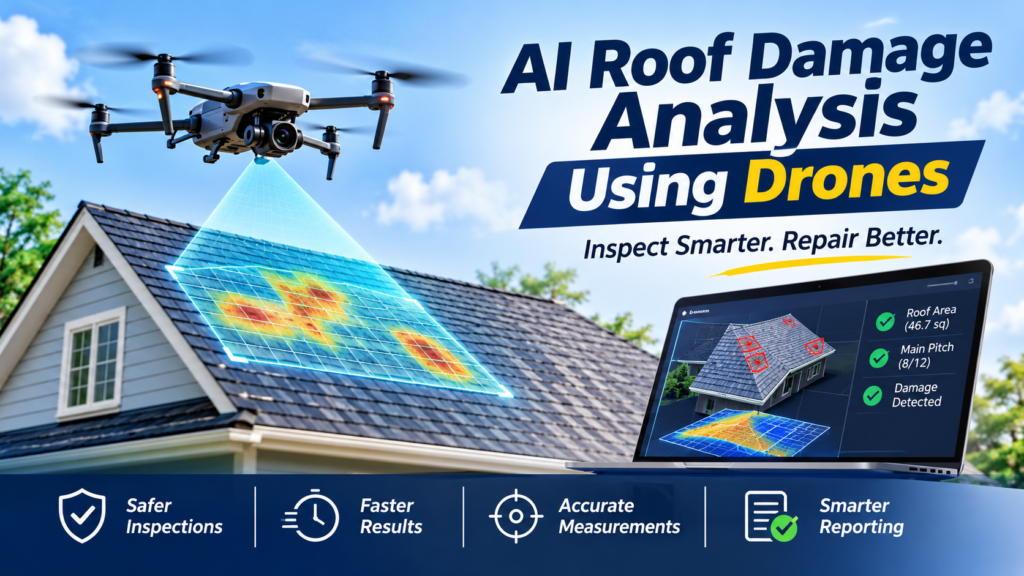
AI roof damage analysis uses computer vision to review drone imagery of a roof and flag likely damage, such as hail hits and wind creases, so an inspector knows where to look before anyone climbs. In early November 2026, SkyeBrowse brought this approach to its drone-video platform with a tool that measures roofs and screens for potential damage using a single drone flight. dronelife
Anyone who has priced a storm-damaged roof knows the bottleneck. Someone has to get up there, measure every slope, photograph every suspect shingle and write it all up, usually while the weather, the insurer and the homeowner are all on a clock. Drones took the ladder out of that process. Now AI is trying to take the squinting out of it.
This guide explains what the technology is, what SkyeBrowse’s new tool actually does, how accurate it is, where it falls short and how to use it responsibly. It is written for roofing contractors, insurance adjusters, inspectors and drone operators who want facts rather than hype.
What Is AI Roof Damage Analysis?
AI roof damage analysis is the use of machine-learning models to examine photos or video frames of a roof and mark areas that may be damaged. Instead of a person scanning thousands of shingles by eye, software reviews the imagery and pins locations that look like hail impacts, wind creases, missing shingles or ponding water.
The expansion matters as much as the definition. The output of AI roof damage analysis is a set of candidate findings, not a finished report. A trained person still decides which findings are real, what caused them and what should happen next. That human-in-the-loop design is what separates a useful screening tool from a risky shortcut.
How does AI roof damage analysis differ from a manual inspection?
A manual inspection depends on one person’s eyes, time and physical access, while AI roof damage analysis applies the same detection logic to every frame it receives. The AI does not get tired on the fourth steep slope of the day, and it does not skip a facet because it is awkward to reach. It can, however, miss context a human would catch, such as an old repair, a manufacturing defect or a stain that looks like damage but is not.
What does AI roof damage analysis not do?
It does not determine why damage happened, whether insurance covers it or what repairs are required. SkyeBrowse says this directly: the AI is a screening tool and does not determine damage causes, insurance coverage, or repair requirements. DroneXL’s coverage makes a similar point, advising readers to treat the AI pins as a to-do list for the ladder rather than as evidence. dronelifedronexl
Why Is AI Roof Damage Analysis Growing Now?
Three pressures are converging: safety, speed and documentation.
- Safety: Roof falls are a leading hazard for inspectors and contractors. Flying the roof first reduces how often anyone needs to climb, and steep or damaged roofs can be assessed from the ground.
- Speed: After a hailstorm, demand for inspections spikes. A workflow that produces measurements and a damage screen from one flight lets crews handle more properties per day.
- Documentation: Claims and disputes reward evidence that is timestamped, measurable and reviewable. A 3D model that anyone can open and check is easier to defend than a folder of loose photos.
Drone inspection also tends to cost less per visit. SkyeBrowse’s own published figures put a drone roof inspection at roughly $150–$400 per flight, versus $300–$600 for an inspector climbing the roof. Treat that as a vendor estimate rather than an industry benchmark, since local prices vary widely. herokuapp
Regulation is part of the picture too. In the United States, commercial drone operations require an FAA Part 107 Remote Pilot Certificate, so any business flying roofs for pay needs a certified pilot. skyebrowse
How Does SkyeBrowse’s Roof Damage Analysis Work?
SkyeBrowse Roof Damage Analysis works on a finished 3D model built from drone video, then measures the roof and runs an AI damage scan that the user reviews. SkyeBrowse is a cloud platform that converts drone video into measurement-ready 3D roof models with no desktop software required. The new tool sits on top of those models. herokuapp
The workflow in five steps
- Fly the roof. The operator records video with a supported drone, using an orbit or a lawnmower pattern, as SkyeBrowse’s own tutorials describe.
- Upload and process. The footage is reconstructed into a 3D model in the cloud.
- Measure. The tool finds the roof, outlines its facets and reports measurements automatically.
- Scan for damage. The user runs the AI scan, then approves or rejects each pinned finding.
- Report. Approved findings flow into a PDF damage report.
SkyeBrowse’s documentation confirms the last two steps: the Weather tab lists NOAA hail, wind and tornado reports within 40 km of the property for the year before the flight, and the Report tab turns approved findings into a Roof Damage Report PDF. skyebrowse
What does the tool measure?
It reports the core numbers a roofer needs for an estimate. According to DroneXL, the tool finds the roof, outlines every facet and reports squares, area, main pitch and the ridge, hip, valley, eave and rake lengths. In its demonstration on a commercial building, it measured 17 facets and 46.7 squares with an 8/12 main pitch. dronexl
These drone roof measurements matter because material orders, labor bids and insurance estimates all start from them. Getting squares and linear lengths right at the screen, not on the roof, is where much of the time savings comes from.
How does the AI damage scan work?
The scan reviews a batch of images at once and labels each finding by confidence. DroneLife reports that the scan reviews up to 16 video frames and eight additional photographs in approximately 20 seconds. DroneXL adds that each finding is marked Likely or Possible, which tells the reviewer how much scrutiny each pin deserves. dronelifedronexl
SkyeBrowse’s documentation lists what the scan pins: hail hits, wind creases, missing shingles and ponding. The reviewer then accepts or rejects each one. skyebrowse
How does storm data fit in?
The tool can anchor a claim to a specific weather event. In SkyeBrowse’s demo, clicking a June 2, 2026 hail report near the house sets the date of loss. That links the visible damage to a recorded storm, which can make a claim file more coherent. It is a starting point for investigation, not proof of causation. dronexl
How Accurate Is AI Roof Damage Analysis?
There are two accuracy questions: how precise the measurements are, and how reliable the AI’s damage calls are. They have different answers.
For measurements, accuracy depends on the processing tier. Commercial and Pro processing delivers 0.5 inch accuracy at 8K resolution, while Public Safety & Enterprise at 16K reaches 0.1 inch. That is more than enough for area, slope and damage-extent estimates on typical residential roofs. skyebrowse
For damage detection, no independent accuracy figure appears in the sources reviewed for this article. That is why the confidence labels and the human approval step exist. A conservative rule: trust the measurements as measurements, and trust the AI pins only after you have looked at them yourself.
Manual vs. Drone-Based vs. Satellite: A Comparison
The table below summarizes how three common approaches compare. It reflects general characteristics, and individual products and conditions vary.
| Factor | Manual roof climb | Drone video + AI roof damage analysis | Satellite / aerial subscription imagery |
|---|---|---|---|
| Captures current conditions | Yes | Yes, same day | Only as of last scheduled pass |
| Worker fall exposure | High | Low | None |
| Measurement output | Hand measured | Digital, from a 3D model | Digital, from imagery |
| Damage detection | Human eye | AI screen plus human review | Often AI-flagged conditions |
| Reviewable record | Photos and notes | Navigable 3D model and report | Image archive |
| Best use | Final verification, repairs | Post-storm triage, estimates, claims | Pre-storm baselines, large portfolios |
One SkyeBrowse buyer’s guide notes that contractor-flown capture shows conditions right after a storm, while satellite and aerial platforms refresh on a schedule and cannot show damage that happened after their last pass. That is a vendor’s framing, but the logic holds. Competing tools exist in each category, including DroneDeploy, EagleView, Nearmap and Zeitview, and the right choice depends on your workflow. skyebrowse
Who Benefits Most From AI Roof Damage Analysis?
Anyone who needs fast, reviewable roof facts benefits, but the value differs by role.
Roofing contractors
Contractors use AI roof damage analysis to triage storm leads quickly. Fly the roof, get measurements, see where the AI flagged damage and decide whether a full inspection and estimate is worth scheduling. The same model can support the estimate and the homeowner conversation.
Insurance adjusters
Adjusters can review a navigable 3D model instead of relying only on photos. The AI pins help focus attention, while the timestamped record and weather reports help document the claim. Adjusters should still apply their own judgment on cause and coverage.
Inspectors and property managers
Inspectors can document hard-to-reach or unsafe roofs without climbing. Property managers can compare conditions over time. SkyeBrowse’s announcement also mentioned a Timelines feature, which is available on Pro and Public Safety & Enterprise plans along with the roof tool. dronelife
What Are the Limits of AI Roof Damage Analysis?
The main limits are false positives, false negatives, context and lighting. Knowing them is what keeps the technology useful.
- False positives: Stains, debris, shadows and old repairs can look like damage to a model.
- False negatives: Subtle damage may not be visible from the flight angle, or in the available frames.
- Context: The AI cannot know the roof’s history, age or installation quality.
- Capture quality: Poor lighting, glare, wet surfaces or low flight altitude reduce what the model can see.
- Scope: Reviewing 24 images in one scan means very large or complex roofs may need multiple passes or careful manual review.
A useful way to think about it: the scan narrows the search. It does not end it.
How Much Does AI Roof Damage Analysis Cost?
Access is by plan, and the tool is not on every tier. DroneLife reports it is available on SkyeBrowse Pro and Public Safety & Enterprise plans. Third-party pricing summaries from earlier in 2026 listed SkyeBrowse’s tiers as Freemium free, Commercial $24.99 per model, Pro $49.99 per model and Public Safety & Enterprise $199 per model. Prices change, so confirm current rates with the vendor before budgeting. dronelifeskyebrowse
For comparison, a roofing-software roundup from October 2026 listed DroneDeploy’s Flight & Analysis plan at $4,188 a year, which shows the difference between per-model and subscription pricing. The better fit depends on how many roofs you fly per month. theroofingbrief
How Do You Get Reliable Results From AI Roof Damage Analysis?
Good inputs and disciplined review matter more than the AI itself.
- Fly consistently. Use a steady orbit or lawnmower pattern with full roof coverage.
- Choose good light. Avoid harsh glare and deep shadows where possible.
- Review every pin. Approve or reject each finding yourself, since the tool is designed for that.
- Verify with a close look. Use ground or ladder inspection for findings that drive costly decisions.
- Keep the record. Save the model, report and weather data together for the claim file.
- Stay compliant. Use a Part 107 certified pilot for commercial flights.
- State the limits. Tell clients and carriers the AI is a screening aid.
Frequently Asked Questions
Is AI roof damage analysis accepted by insurance carriers?
It depends on the carrier and the claim. Sources reviewed here describe the AI as a screening aid, not a coverage decision tool, so treat the output as supporting documentation and check each carrier’s requirements.
Can the AI tell me what caused the damage?
No. The AI flags what looks like damage. Cause, coverage and repair scope remain human decisions, as SkyeBrowse itself states.
Do I need special software or a desktop computer?
No desktop software is required. SkyeBrowse runs in the cloud, so operators upload video and work from a browser or app.
How long does the AI damage scan take?
About 20 seconds per scan, per DroneLife’s report, though the surrounding drone processing and your review take additional time.
Is a drone roof inspection better than a ladder inspection?
For triage, measurement and documentation, often yes. For final verification of costly findings, a close in-person look still has a role. Many teams use both.
Key Takeaways
AI roof damage analysis is best understood as a faster, safer first pass. SkyeBrowse’s new tool combines automatic roof measurements, a roughly 20-second AI scan and a reviewable report into one drone-flight workflow. Its value is real, but it comes with a clear boundary: the AI points, and a professional decides. Contractors, adjusters and inspectors who respect that boundary can save time and reduce risk without overpromising to clients.
AI (କୃତ୍ରିମ ବୁଦ୍ଧିମତ୍ତା) ମାଧ୍ୟମରେ ଛାତର କ୍ଷୟକ୍ଷତି ବିଶ୍ଳେଷଣ: କିପରି ଗୋଟିଏ ଥର ଡ୍ରୋନ୍ ଉଡ଼ାଣ ଦ୍ୱାରା ଛାତର ମାପ ନିଆଯାଇପାରିବ ଏବଂ କ୍ଷୟକ୍ଷତି ଚିହ୍ନଟ କରାଯାଇପାରିବ
AI ମାଧ୍ୟମରେ ଛାତର କ୍ଷୟକ୍ଷତି ବିଶ୍ଳେଷଣ କରିବା ପାଇଁ ‘କମ୍ପ୍ୟୁଟର ଭିଜନ୍’ (computer vision) ବ୍ୟବହାର କରାଯାଏ। ଏହା ମାଧ୍ୟମରେ ଡ୍ରୋନ୍ ଦ୍ୱାରା ନିଆଯାଇଥିବା ଛାତର ଫଟୋ କିମ୍ବା ଭିଡିଓକୁ ଯାଞ୍ଚ କରାଯାଇ ସମ୍ଭାବ୍ୟ କ୍ଷୟକ୍ଷତିଗୁଡ଼ିକୁ (ଯେପରିକି କୁଆପଥର ମାଡ଼ କିମ୍ବା ପବନ ଯୋଗୁଁ ହୋଇଥିବା ଫାଟ) ଚିହ୍ନଟ କରାଯାଏ। ଫଳସ୍ୱରୂପ, ଛାତ ଉପରକୁ ଚଢ଼ିବା ପୂର୍ବରୁ ହିଁ ଯାଞ୍ଚକାରୀ ଜାଣିପାରନ୍ତି ଯେ ଛାତର କେଉଁ ସ୍ଥାନଗୁଡ଼ିକୁ ବିଶେଷ ଭାବରେ ଦେଖିବା ଆବଶ୍ୟକ। ୨୦୨୬ ମସିହା ନଭେମ୍ବର ମାସ ଆରମ୍ଭରେ, ‘SkyeBrowse’ ନିଜର ଡ୍ରୋନ୍-ଭିଡିଓ ପ୍ଲାଟଫର୍ମରେ ଏହି ପ୍ରଯୁକ୍ତିବିଦ୍ୟାକୁ ଅନ୍ତର୍ଭୁକ୍ତ କରିଛି। ଏଥିରେ ଥିବା ଏକ ସ୍ୱତନ୍ତ୍ର ଉପକରଣ (tool) ସାହାଯ୍ୟରେ, କେବଳ ଥରେ ଡ୍ରୋନ୍ ଉଡ଼ାଇ ଛାତର ମାପ ନିଆଯାଇପାରିବ ଏବଂ ସମ୍ଭାବ୍ୟ କ୍ଷୟକ୍ଷତିଗୁଡ଼ିକୁ ଚିହ୍ନଟ କରାଯାଇପାରିବ।
ଯେଉଁମାନେ ଝଡ଼-ତୋଫାନରେ ନଷ୍ଟ ହୋଇଥିବା ଛାତର ମରାମତି ଖର୍ଚ୍ଚ ଆକଳନ କରିଛନ୍ତି, ସେମାନେ ଜାଣନ୍ତି ଯେ ଏହି ପ୍ରକ୍ରିୟାରେ କେତେ ଅସୁବିଧା ରହିଛି। କାହାକୁ ଛାତ ଉପରକୁ ଚଢ଼ିବାକୁ ପଡ଼େ, ପ୍ରତ୍ୟେକ ଢାଲୁ ଅଂଶର ମାପ ନେବାକୁ ପଡ଼େ, ସନ୍ଦେହଜନକ ଛାତ ଟାଇଲ୍ (shingles) ଗୁଡ଼ିକର ଫଟୋ ଉଠାଇବାକୁ ପଡ଼େ ଏବଂ ସବୁକିଛି ଲିପିବଦ୍ଧ କରିବାକୁ ପଡ଼େ। ଏହି ସମୟରେ ପାଗ, ବୀମା କମ୍ପାନୀ ଏବଂ ଘର ମାଲିକଙ୍କ ତରଫରୁ କାମ ଶୀଘ୍ର ସାରିବା ପାଇଁ ଚାପ ମଧ୍ୟ ରହିଥାଏ। ଡ୍ରୋନ୍ ବ୍ୟବହାର ଦ୍ୱାରା ଏହି କାମରେ ଆଉ ସିଡ଼ି ବ୍ୟବହାର କରି ଉପରକୁ ଚଢ଼ିବାର ଆବଶ୍ୟକତା ରହିଲା ନାହିଁ। ବର୍ତ୍ତମାନ, AI ସାହାଯ୍ୟରେ ଛାତକୁ ଧ୍ୟାନର ସହ ନିରୀକ୍ଷଣ କରିବାର କଷ୍ଟକର ପ୍ରକ୍ରିୟାକୁ ମଧ୍ୟ ସରଳ କରିବାକୁ ଚେଷ୍ଟା କରାଯାଉଛି।
ଏହି ଗାଇଡ୍ରେ ବର୍ଣ୍ଣନା କରାଯାଇଛି ଯେ ଏହି ପ୍ରଯୁକ୍ତିବିଦ୍ୟା କ’ଣ, ‘SkyeBrowse’ର ନୂତନ ଉପକରଣଟି ପ୍ରକୃତରେ କ’ଣ କରେ, ଏହା କେତେ ସଠିକ୍, ଦିନର ଚତୁର୍ଥ ଖাড়া ଢାଲୁରେ ମଧ୍ୟ AI (କୃତ୍ରିମ ବୁଦ୍ଧିମତ୍ତା) ଥକିଯାଏ ନାହିଁ, ଏବଂ କୌଣସି ସ୍ଥାନରେ ପହଞ୍ଚିବା କଷ୍ଟକର ହେଲେ ମଧ୍ୟ ଏହା ସେହି ଅଂଶକୁ ଯାଞ୍ଚ କରିବାରୁ ବାଦ୍ ଦିଏ ନାହିଁ। ତଥାପି, ଏହା କିଛି ଏପରି ବିଷୟକୁ ବୁଝିବାରେ ଭୁଲ୍ କରିପାରେ ଯାହା ଜଣେ ମଣିଷ ସହଜରେ ଧରିପାରିବେ; ଯେପରିକି ପୁରୁଣା ମରାମତି କାର୍ଯ୍ୟ, ଉତ୍ପାଦନଗତ ତ୍ରୁଟି, କିମ୍ବା କୌଣସି ଦାଗ ଯାହା କ୍ଷତିଗ୍ରସ୍ତ ହୋଇଥିବା ପରି ଦେଖାଯାଏ କିନ୍ତୁ ପ୍ରକୃତରେ ସେପରି ନୁହେଁ।
AI ମାଧ୍ୟମରେ ଛାତର କ୍ଷତି ବିଶ୍ଳେଷଣ କ’ଣ କରେ ନାହିଁ?
ଏହା କ୍ଷତି କାହିଁକି ହେଲା, ଏଥିପାଇଁ ବୀମା (insurance) ସୁବିଧା ମିଳିବ କି ନାହିଁ, କିମ୍ବା କ’ଣ ମରାମତି ଆବଶ୍ୟକ – ସେ ବିଷୟରେ କୌଣସି ନିଷ୍ପତ୍ତି ନିଏ ନାହିଁ। SkyeBrowse ଏହାକୁ ସ୍ପଷ୍ଟ ଭାବରେ କହିଛି: AI ହେଉଛି କେବଳ ଏକ ଯାଞ୍ଚ ସହାୟକ ଉପକରଣ (screening tool); ଏହା କ୍ଷତିର କାରଣ, ବୀମା କଭରେଜ୍ କିମ୍ବା ମରାମତି ଆବଶ୍ୟକତା ସ୍ଥିର କରେ ନାହିଁ। DroneXL ମଧ୍ୟ ସମାନ କଥା କହିଛି; ସେମାନେ ପାଠକମାନଙ୍କୁ ପରାମର୍ଶ ଦେଇଛନ୍ତି ଯେ, AI ଦ୍ୱାରା ଚିହ୍ନିତ ସ୍ଥାନଗୁଡ଼ିକୁ (AI pins) ପ୍ରମାଣ ଭାବରେ ନ ମାନି, ବରଂ ସିଡ଼ି ଲଗାଇ ଯାଞ୍ଚ କରିବା ପାଇଁ ଏକ ‘କାର୍ଯ୍ୟ ତାଲିକା’ (to-do list) ଭାବରେ ବିବେଚନା କରନ୍ତୁ।
ବର୍ତ୍ତମାନ AI ମାଧ୍ୟମରେ ଛାତର କ୍ଷତି ବିଶ୍ଳେଷଣ କାହିଁକି ବୃଦ୍ଧି ପାଉଛି?
ଏଥିପାଇଁ ତିନୋଟି ମୁଖ୍ୟ କାରଣ ଦାୟୀ: ସୁରକ୍ଷା, ଗତି (କାର୍ଯ୍ୟ ସମ୍ପାଦନର ବେଗ) ଏବଂ ଡକ୍ୟୁମେଣ୍ଟେସନ୍ (ନଥିପତ୍ର ପ୍ରସ୍ତୁତି)।
ସୁରକ୍ଷା: ନିରୀକ୍ଷକ ଏବଂ ଠିକାଦାରମାନଙ୍କ ପାଇଁ ଛାତ ଉପରୁ ଖସିପଡ଼ିବା ଏକ ବଡ଼ ବିପଦ ଅଟେ। ଡ୍ରୋନ୍ ବ୍ୟବହାର କରି ଛାତର ଉପର ଭାଗ ଦେଖିବା ଦ୍ୱାରା ବ୍ୟକ୍ତିବିଶେଷଙ୍କୁ ବାରମ୍ବାର ଛାତ ଉପରକୁ ଚଢ଼ିବାକୁ ପଡ଼େ ନାହିଁ। ଫଳରେ, ଖୁବ୍ ଢାଲୁ କିମ୍ବା କ୍ଷତିଗ୍ରସ୍ତ ଛାତଗୁଡ଼ିକୁ ମଧ୍ୟ ତଳେ ରହି ଯାଞ୍ଚ କରାଯାଇପାରିବ।
ଗତି: କୌଣସି କୁଆପଥର ବର୍ଷା (hailstorm) ପରେ, ଛାତ ଯାଞ୍ଚ ପାଇଁ ଚାହିଦା ହଠାତ୍ ବଢ଼ିଯାଏ। ଏକ ଡ୍ରୋନ୍ ଉଡ଼ାଣ ମାଧ୍ୟମରେ ଛାତର ମାପ ନେବା ଏବଂ କ୍ଷତି SkyeBrowse ଛାତ କ୍ଷତି ବିଶ୍ଳେଷଣ ଡ୍ରୋନ୍ ଭିଡିଓରୁ ନିର୍ମିତ ଏକ ସମାପ୍ତ 3D ମଡେଲ୍ ଉପରେ କାମ କରେ, ତା’ପରେ ଛାତ ମାପ କରେ ଏବଂ ବ୍ୟବହାରକାରୀଙ୍କ ସମୀକ୍ଷା କରୁଥିବା ଏକ AI କ୍ଷତି ସ୍କାନ୍ ଚଲାଏ। SkyeBrowse ହେଉଛି ଏକ କ୍ଲାଉଡ୍ ପ୍ଲାଟଫର୍ମ ଯାହା ଡ୍ରୋନ୍ ଭିଡିଓକୁ ମାପ-ପ୍ରସ୍ତୁତ 3D ଛାତ ମଡେଲ୍ରେ ରୂପାନ୍ତରିତ କରେ ଯାହା କୌଣସି ଡେସ୍କଟପ୍ ସଫ୍ଟୱେର୍ ଆବଶ୍ୟକ କରେ ନାହିଁ। ନୂତନ ଉପକରଣ ସେହି ମଡେଲ୍ଗୁଡ଼ିକ ଉପରେ ରହିଥାଏ।
herokuapp
ପାଞ୍ଚଟି ପଦକ୍ଷେପରେ କାର୍ଯ୍ୟପ୍ରଣାଳୀ
ଛାତ ଉଡ଼ାନ୍ତୁ। ଅପରେଟର ଏକ ସମର୍ଥିତ ଡ୍ରୋନ୍ ସହିତ ଭିଡିଓ ରେକର୍ଡ କରନ୍ତି, ଏକ ଅର୍ବିଟ୍ କିମ୍ବା ଏକ ଲନ୍ମାୱର୍ ପ୍ୟାଟର୍ନ ବ୍ୟବହାର କରି, ଯେପରି SkyeBrowse ର ନିଜସ୍ୱ ଟ୍ୟୁଟୋରିଆଲ୍ ବର୍ଣ୍ଣନା କରେ।
ଅପଲୋଡ୍ କରନ୍ତୁ ଏବଂ ପ୍ରକ୍ରିୟାକରଣ କରନ୍ତୁ। ଫୁଟେଜ୍ କ୍ଲାଉଡ୍ରେ ଏକ 3D ମଡେଲ୍ରେ ପୁନଃନିର୍ମାଣ କରାଯାଏ।
ମାପ କରନ୍ତୁ। ଉପକରଣ ଛାତ ଖୋଜେ, ଏହାର ଦିଗଗୁଡ଼ିକୁ ରୂପରେଖା କରେ ଏବଂ ସ୍ୱୟଂଚାଳିତ ଭାବରେ ମାପ ରିପୋର୍ଟ କରେ।
କ୍ଷତି ପାଇଁ ସ୍କାନ୍ କରନ୍ତୁ। ବ୍ୟବହାରକାରୀ AI ସ୍କାନ୍ ଚଲାନ୍ତି, ତା’ପରେ ପ୍ରତ୍ୟେକ ପିନ୍ ହୋଇଥିବା ସନ୍ଧାନକୁ ଅନୁମୋଦନ କିମ୍ବା ପ୍ରତ୍ୟାଖ୍ୟାନ କରନ୍ତି।
ରିପୋର୍ଟ କରନ୍ତୁ। ଅନୁମୋଦିତ ଫଳାଫଳଗୁଡ଼ିକୁ PDF କ୍ଷତି ରିପୋର୍ଟରେ ପ୍ରବାହିତ କରନ୍ତି।
SkyeBrowse ର ଡକ୍ୟୁମେଣ୍ଟେସନ୍ ଶେଷ ଦୁଇଟି ପଦକ୍ଷେପକୁ ନିଶ୍ଚିତ କରେ: ପାଣିପାଗ ଟ୍ୟାବ୍ ପୂର୍ବ ବର୍ଷ ପାଇଁ ସମ୍ପତ୍ତିର 40 କିଲୋମିଟର ମଧ୍ୟରେ NOAA ଶିଳାବୃଷ୍ଟି, ପବନ ଏବଂ ଘୂର୍ଣ୍ଣିବାତ୍ୟା ରିପୋର୍ଟଗୁଡ଼ିକୁ ତାଲିକାଭୁକ୍ତ କରେ।ଉଡ଼ାଣ (flight) ସମାପ୍ତ ହେବା ପରେ, ‘ରିପୋର୍ଟ’ (Report) ଟ୍ୟାବ୍ ମାଧ୍ୟମରେ ଚିହ୍ନଟ ହୋଇଥିବା ତ୍ରୁଟିଗୁଡ଼ିକୁ ଏକ ‘ଛାତ କ୍ଷତି ରିପୋର୍ଟ’ (Roof Damage Report) PDF ଫାଇଲରେ ପରିଣତ କରାଯାଇପାରିବ।
Skyebrowse
ଏହି ଟୁଲ୍ (tool) କ’ଣ ମାପ କରେ?
ଏହା ସେହି ମୁଖ୍ୟ ତଥ୍ୟଗୁଡ଼ିକୁ ପ୍ରଦାନ କରେ ଯାହା ଜଣେ ଛାତ ନିର୍ମାତାଙ୍କୁ (roofer) ଏକ ଆନୁମାନିକ ଖର୍ଚ୍ଚ (estimate) ପ୍ରସ୍ତୁତ କରିବା ପାଇଁ ଆବଶ୍ୟକ ହୁଏ। DroneXL ଅନୁଯାୟୀ, ଏହି ଟୁଲ୍ ଛାତକୁ ଚିହ୍ନଟ କରେ, ଏହାର ପ୍ରତ୍ୟେକ ଅଂଶକୁ (facets) ଚିହ୍ନିତ କରେ ଏବଂ ଛାତର କ୍ଷେତ୍ରଫଳ (squares ଓ area), ମୁଖ୍ୟ ଢାଲୁ (pitch) ତଥା ଛାତର ବିଭିନ୍ନ ଧାର (ridge, hip, valley, eave ଏବଂ rake) ର ଦୈର୍ଘ୍ୟ ସମ୍ବନ୍ଧୀୟ ତଥ୍ୟ ପ୍ରଦାନ କରେ। ଏକ ବ୍ୟବସାୟିକ କୋଠା ଉପରେ କରାଯାଇଥିବା ପ୍ରଦର୍ଶନରେ, ଏହା ୧୭ଟି ଅଂଶ (facets) ଏବଂ ୪୬.୭ ‘ସ୍କୋୟାର୍’ (squares – କ୍ଷେତ୍ରଫଳ ମାପକ) ପରିମାଣର ଛାତକୁ ମାପିଥିଲା, ଯେଉଁଥିରେ ମୁଖ୍ୟ ଢାଲୁ (pitch) ୮/୧୨ ଥିଲା।
DroneXL
ଡ୍ରୋନ୍ ମାଧ୍ୟମରେ ଛାତର ଏହି ମାପଗୁଡ଼ିକ ଅତ୍ୟନ୍ତ ଗୁରୁତ୍ୱପୂର୍ଣ୍ଣ, କାରଣ ସାମଗ୍ରୀର ଅର୍ଡର, ଶ୍ରମିକଙ୍କ ମଜୁରୀ ଏବଂ ବୀମା ସମ୍ବନ୍ଧୀୟ ଆକଳନ – ଏସବୁ ଏହି ତଥ୍ୟ ଉପରେ ହିଁ ଆଧାରିତ ହୋଇଥାଏ। ଛାତ ଉପରକୁ ନ ଯାଇ, କେବଳ କମ୍ପ୍ୟୁଟର ସ୍କ୍ରିନ୍ ମାଧ୍ୟମରେ ଛାତର କ୍ଷେତ୍ରଫଳ ଏବଂ ବିଭିନ୍ନ ଧାରର ଦୈର୍ଘ୍ୟ ସଠିକ୍ ଭାବରେ ଜାଣିପାରିବା ଦ୍ୱାରା ବହୁତ ସମୟ ସଞ୍ଚୟ ହୋଇଥାଏ।
AI (କୃତ୍ରିମ ବୁଦ୍ଧିମତ୍ତା) ଦ୍ୱାରା କ୍ଷତି ଚିହ୍ନଟ ପ୍ରକ୍ରିୟା (damage scan) କିପରି କାମ କରେ?
ଏହି ସ୍କାନିଂ ପ୍ରକ୍ରିୟା ଏକାସାଙ୍ଗରେ ଅନେକଗୁଡ଼ିଏ ଫଟୋକୁ ଯାଞ୍ଚ କରେ ଏବଂ ପ୍ରତ୍ୟେକ ଚିହ୍ନଟ ହୋଇଥିବା ବିଷୟକୁ ଏକ ନିର୍ଦ୍ଦିଷ୍ଟ ‘ବିଶ୍ୱାସଯୋଗ୍ୟତା ସ୍ତର’ (confidence level) ସହିତ ଚିହ୍ନିତ କରେ। DroneLife ଅନୁଯାୟୀ, ଏହି ସ୍କାନିଂ ପ୍ରକ୍ରିୟା ପ୍ରାୟ ୨୦ ସେକେଣ୍ଡ ମଧ୍ୟରେ ୧୬ଟି ଭିଡିଓ ଫ୍ରେମ୍ ଏବଂ ୮ଟି ଅତିରିକ୍ତ ଫଟୋକୁ ଯାଞ୍ଚ କରିପାରେ।
DroneXL ଅନୁସାରେ, ପ୍ରତ୍ୟେକ ଚିହ୍ନଟ ହୋଇଥିବା ବିଷୟକୁ ‘ସମ୍ଭାବ୍ୟ’ (Likely) କିମ୍ବା ‘ହୋଇପାରେ’ (Possible) ବୋଲି ଚିହ୍ନିତ କରାଯାଏ, ଯାହା ସମୀ ‘କମର୍ସିଆଲ୍’ (Commercial) ଏବଂ ‘ପ୍ରୋ’ (Pro) ପ୍ରୋସେସିଂ ମାଧ୍ୟମରେ 8K ରିଜୋଲ୍ୟୁସନରେ ୦.୫ ଇଞ୍ଚର ସଠିକତା ମିଳିଥାଏ, ଯେତେବେଳେ କି ‘ପବ୍ଲିକ୍ ସେଫ୍ଟି’ (Public Safety) ଏବଂ ‘ଏଣ୍ଟରପ୍ରାଇଜ୍’ (Enterprise) ସ୍ତରରେ 16K ରିଜୋଲ୍ୟୁସନ ସହିତ ୦.୧ ଇଞ୍ଚର ସଠିକତା ହାସଲ କରାଯାଇପାରେ। ସାଧାରଣ ଆବାସିକ ଘରର ଛାତ ପାଇଁ କ୍ଷେତ୍ରଫଳ, ଢାଲୁ (slope) ଏବଂ କ୍ଷୟକ୍ଷତିର ପରିମାଣ ଆକଳନ କରିବା ପାଇଁ ଏହା ଯଥେଷ୍ଟ ଅଟେ।
କ୍ଷୟକ୍ଷତି ଚିହ୍ନଟ କରିବା କ୍ଷେତ୍ରରେ, ଏହି ଲେଖା ପାଇଁ ଅନୁସନ୍ଧାନ କରାଯାଇଥିବା ଉତ୍ସଗୁଡ଼ିକରେ କୌଣସି ନିର୍ଦ୍ଦିଷ୍ଟ ସଠିକତା ମାପଦଣ୍ଡ (accuracy figure) ଉଲ୍ଲେଖ ନାହିଁ। ସେଥିପାଇଁ ଏଥିରେ ‘କନଫିଡେନ୍ସ ଲେବଲ୍’ (ବିଶ୍ୱାସଯୋଗ୍ୟତା ସୂଚକ) ଏବଂ ମାନବୀୟ ଯାଞ୍ଚ (human approval) ବ୍ୟବସ୍ଥା ରହିଛି। ଏକ ସତର୍କତାମୂଳକ ପରାମର୍ଶ ହେଉଛି: ମାପଗୁଡ଼ିକୁ କେବଳ ମାପ ଭାବରେ ଗ୍ରହଣ କରନ୍ତୁ ଏବଂ AI ଦ୍ୱାରା ଚିହ୍ନିତ ସ୍ଥାନଗୁଡ଼ିକୁ (AI pins) ନିଜେ ଯାଞ୍ଚ କରିବା ପରେ ହିଁ ବିଶ୍ୱାସ କରନ୍ତୁ।
ମାନୁଆଲ୍ (ହସ୍ତଚାଳିତ) ବନାମ ଡ୍ରୋନ୍-ଆଧାରିତ ବନାମ ସାଟେଲାଇଟ୍: ଏକ ତୁଳନା
ନିମ୍ନ ସାରଣୀରେ ତିନୋଟି ସାଧାରଣ ପଦ୍ଧତିର ତୁଳନା କରାଯାଇଛି। ଏହା ସାଧାରଣ ବୈଶିଷ୍ଟ୍ୟଗୁଡ଼ିକୁ ଦର୍ଶାଏ, ତେବେ ନିର୍ଦ୍ଦିଷ୍ଟ ଉତ୍ପାଦ ଏବଂ ପରିସ୍ଥିତି ଅନୁଯାୟୀ ଏଥିରେ ପାର୍ଥକ୍ୟ ରହିପାରେ।
ବିଷୟ | ମାନୁଆଲ୍ (ଛାତ ଉପରକୁ ଚଢ଼ି ଯାଞ୍ଚ) | ଡ୍ରୋନ୍ ଭିଡିଓ + AI ଦ୍ୱାରା ଛାତର କ୍ଷୟକ୍ଷତି ବିଶ୍ଳେଷଣ | ସାଟେଲାଇଟ୍ / ଏରିଆଲ୍ (ଆକାଶମାର୍ଗରୁ) ଇମେଜେରୀ ସେବା
ବର୍ତ୍ତମାନର ସ୍ଥିତି ଜାଣିବା | ହଁ | ହଁ, ସେହି ଦିନ ହିଁ | କେବଳ ଶେଷ ଥର ପାଇଁ ନିର୍ଦ୍ଧାରିତ ସମୟରେ ନିଆଯାଇଥିବା ଫଟୋ ଅନୁଯାୟୀ
କର୍ମଚାରୀଙ୍କ ପଡ଼ିଯିବାର ଆଶଙ୍କା | ଅଧିକ | କମ୍ | ନାହିଁ
ମାପ ଫଳାଫଳ | ହାତରେ ମାପାଯାଇଥିବା | ଡିଜିଟାଲ୍, 3D ମଡେଲ୍ରୁ | ଡିଜିଟାଲ୍, ଫଟୋ/ଚିତ୍ରରୁ
କ୍ଷୟକ୍ଷତି ଚିହ୍ନଟ | ମାନବୀୟ ଦୃଷ୍ଟି | AI ଏବଂ ମାନବୀୟ ଯାଞ୍ଚ | ପ୍ରାୟତଃ AI ଦ୍ୱାରା ଚିହ୍ନିତ ସ୍ଥାନ
ଯାଞ୍ଚଯୋଗ୍ୟ ରେ ବୀମା ସମାୟୋଜକ
କେବଳ ଫଟୋ ଉପରେ ନିର୍ଭର କରିବା ପରିବର୍ତ୍ତେ ଆଡଜଷ୍ଟରମାନେ ଏକ ନାଭିଗେବଲ୍ 3D ମଡେଲ୍ ସମୀକ୍ଷା କରିପାରିବେ। AI ପିନ୍ ଧ୍ୟାନ କେନ୍ଦ୍ରିତ କରିବାରେ ସାହାଯ୍ୟ କରେ, ଯେତେବେଳେ ଟାଇମଷ୍ଟାମ୍ପଡ୍ ରେକର୍ଡ ଏବଂ ପାଣିପାଗ ରିପୋର୍ଟ ଦାବିକୁ ଡକ୍ୟୁମେଣ୍ଟ କରିବାରେ ସାହାଯ୍ୟ କରେ। ଆଡଜଷ୍ଟରମାନେ କାରଣ ଏବଂ କଭରେଜ୍ ଉପରେ ସେମାନଙ୍କର ନିଜସ୍ୱ ବିଚାର ପ୍ରୟୋଗ କରିବା ଉଚିତ।
ନିରୀକ୍ଷକ ଏବଂ ସମ୍ପତ୍ତି ପରିଚାଳକ
ନିରୀକ୍ଷକମାନେ ଚଢ଼ିବା ବିନା ପହଞ୍ଚିବା କଷ୍ଟକର କିମ୍ବା ଅସୁରକ୍ଷିତ ଛାତକୁ ଡକ୍ୟୁମେଣ୍ଟ କରିପାରିବେ। ସମ୍ପତ୍ତି ପରିଚାଳକମାନେ ସମୟ ସହିତ ପରିସ୍ଥିତି ତୁଳନା କରିପାରିବେ। SkyeBrowse ର ଘୋଷଣାରେ ଏକ ଟାଇମଲାଇନ୍ ବୈଶିଷ୍ଟ୍ୟ ମଧ୍ୟ ଉଲ୍ଲେଖ କରାଯାଇଥିଲା, ଯାହା ଛାତ ଉପକରଣ ସହିତ ପ୍ରୋ ଏବଂ ପବ୍ଲିକ୍ ସେଫ୍ଟି ଏବଂ ଏଣ୍ଟରପ୍ରାଇଜ୍ ଯୋଜନାରେ ଉପଲବ୍ଧ।
ଡ୍ରୋନଲାଇଫ୍
AI ଛାତ କ୍ଷତି ବିଶ୍ଳେଷଣର ସୀମା କ’ଣ?
ମୁଖ୍ୟ ସୀମା ହେଉଛି ମିଥ୍ୟା ସକାରାତ୍ମକ, ମିଥ୍ୟା ନକାରାତ୍ମକ, ପ୍ରସଙ୍ଗ ଏବଂ ଆଲୋକ। ସେଗୁଡ଼ିକୁ ଜାଣିବା ହିଁ ପ୍ରଯୁକ୍ତିବିଦ୍ୟାକୁ ଉପଯୋଗୀ ରଖିଥାଏ।
ମିଥ୍ୟା ସକାରାତ୍ମକ: ଦାଗ, ଧୂଳି, ଛାଇ ଏବଂ ପୁରୁଣା ମରାମତି ଏକ ମଡେଲର କ୍ଷତି ପରି ଦେଖାଯାଇପାରେ।
ମିଥ୍ୟା ନକାରାତ୍ମକ: ଉଡ଼ାଣ କୋଣରୁ କିମ୍ବା ଉପଲବ୍ଧ ଫ୍ରେମରେ ସୂକ୍ଷ୍ମ କ୍ଷତି ଦୃଶ୍ୟମାନ ନ ହୋଇପାରେ।
ପ୍ରସଙ୍ଗ:AI (କୃତ୍ରିମ ବୁଦ୍ଧିମତ୍ତା) ଛାତର ଇତିହାସ, ବୟସ କିମ୍ବା ଏହା ଲଗାଯିବା ସମୟର ଗୁଣବତ୍ତା ବିଷୟରେ ଜାଣିପାରିବ ନାହିଁ।
ଡାଟା ସଂଗ୍ରହର ଗୁଣବତ୍ତା: ଖରାପ ଆଲୋକ, ତୀବ୍ର ଚମକ (glare), ଓଦା ପୃଷ୍ଠଭାଗ କିମ୍ବା ଡ୍ରୋନ୍ର କମ୍ ଉଚ୍ଚତାରେ ଉଡ଼ାଣ ଯୋଗୁଁ AI ମଡେଲ୍ର ଦେଖିବା କ୍ଷମତା କମିଯାଏ।
ପରିସର: ଗୋଟିଏ ସ୍କାନରେ ୨୪ଟି ଫଟୋର ବିଶ୍ଳେଷଣ କରାଯାଏ, ଯାହାର ଅର୍ଥ ହେଉଛି ବହୁତ ବଡ଼ କିମ୍ବା ଜଟିଳ ଛାତ ପାଇଁ ଏକାଧିକ ଥର ସ୍କାନ କରିବାକୁ ପଡ଼ିପାରେ କିମ୍ବା ମନୁଷ୍ୟ ଦ୍ୱାରା ଯତ୍ନର ସହ ଯାଞ୍ଚ କରିବା ଆବଶ୍ୟକ ହୋଇପାରେ।
ଏହାକୁ ବୁଝିବାର ଏକ ଉପଯୋଗୀ ଉପାୟ ହେଲା: ସ୍କାନ ପ୍ରକ୍ରିୟା କେବଳ ଅନୁସନ୍ଧାନ କ୍ଷେତ୍ରକୁ ସୀମିତ କରେ, କିନ୍ତୁ ଏହା ସମ୍ପୂର୍ଣ୍ଣ ପ୍ରକ୍ରିୟାକୁ ଶେଷ କରେ ନାହିଁ।
AI ମାଧ୍ୟମରେ ଛାତର କ୍ଷୟକ୍ଷତି ବିଶ୍ଳେଷଣ କରିବା ପାଇଁ କେତେ ଖର୍ଚ୍ଚ ହୁଏ?
ଏହାର ବ୍ୟବହାର ବିଭିନ୍ନ ‘ପ୍ଲାନ୍’ (plan) ଉପରେ ଆଧାରିତ ଏବଂ ସମସ୍ତ ପ୍ଲାନରେ ଏହି ସୁବିଧା ଉପଲବ୍ଧ ନୁହେଁ। ‘ଡ୍ରୋନ୍ଲାଇଫ୍’ (DroneLife) ଅନୁଯାୟୀ, ଏହା ‘SkyeBrowse Pro’ ଏବଂ ‘Public Safety & Enterprise’ ପ୍ଲାନରେ ଉପଲବ୍ଧ। ୨୦୨୬ ମସିହାର ଆରମ୍ଭରେ ମିଳିଥିବା ତଥ୍ୟ ଅନୁଯାୟୀ, SkyeBrowse ର ବିଭିନ୍ନ ସ୍ତରର ମୂଲ୍ୟ ଥିଲା: ‘Freemium’ (ମାଗଣା), ‘Commercial’ (ପ୍ରତି ମଡେଲ୍ ପିଛା $୨୪.୯୯), ‘Pro’ (ପ୍ରତି ମଡେଲ୍ ପିଛା $୪୯.୯୯) ଏବଂ ‘Public Safety & Enterprise’ (ପ୍ରତି ମଡେଲ୍ ପିଛା $୧୯୯)। ମୂଲ୍ୟ ପରିବର୍ତ୍ତନ ହୋଇପାରେ, ତେଣୁ ବଜେଟ୍ ପ୍ରସ୍ତୁତ କରିବା ପୂର୍ବରୁ ବିକ୍ରେତାଙ୍କ ସହ ବର୍ତ୍ତମାନର ଦର ଯାଞ୍ଚ କରିନିଅନ୍ତୁ।
ତୁଳନା କରିବା ପାଇଁ, ଅକ୍ଟୋବର ୨୦୨୬ର ଏକ ରିପୋର୍ଟ ଅନୁଯାୟୀ ‘DroneDeploy’ ର ‘Flight & Analysis’ ପ୍ଲାନର ମୂଲ୍ୟ ବାର୍ଷିକ $୪,୧୮୮ ଥିଲା। ଏଥିରୁ ‘ପ୍ରତି ମଡେଲ୍ ପିଛା ମୂଲ୍ୟ’ ଏବଂ ‘ସବସ୍କ୍ରିପସନ୍ (ସଦସ୍ୟତା) ମୂଲ୍ୟ’ ମଧ୍ୟରେ ଥିବା ପାର୍ଥକ୍ୟ ଜଣାପଡ଼େ। ଆପଣଙ୍କ ପାଇଁ କେଉଁଟି ଅଧିକ ଉପଯୁକ୍ତ ହେବ, ତାହା ଆପଣ ମାସକୁ କେତୋଟି ଛାତର ସର୍ଭେ କରୁଛନ୍ତି ତା’ ଉପରେ ନିର୍ଭର କରେ।
AI ମାଧ୍ୟମରେ ଛାତର କ୍ଷୟକ୍ଷତି ବିଶ୍ଳେଷଣରୁ କିପରି ନିର୍ଭରଯୋଗ୍ୟ ଏହା ବୀମା କମ୍ପାନୀ (carrier) ଏବଂ ଦାବି (claim) ଉପରେ ନିର୍ଭର କରେ। ଏଠାରେ ଆଲୋଚିତ AI (କୃତ୍ରିମ ବୁଦ୍ଧିମତ୍ତା) କୁ କେବଳ ଏକ ‘ଯାଞ୍ଚ ସହାୟକ’ (screening aid) ଭାବରେ ବିବେଚନା କରାଯିବା ଉଚିତ୍, ନା କି ‘ବୀମା କଭରେଜ୍ ନିଷ୍ପତ୍ତି ନେବାର ଉପକରଣ’ ଭାବରେ। ତେଣୁ, AI ଦ୍ୱାରା ପ୍ରାପ୍ତ ଫଳାଫଳକୁ କେବଳ ଏକ ସହାୟକ ଦସ୍ତାବିଜ ଭାବରେ ଗ୍ରହଣ କରନ୍ତୁ ଏବଂ ପ୍ରତ୍ୟେକ ବୀମା କମ୍ପାନୀର ନିର୍ଦ୍ଦିଷ୍ଟ ଆବଶ୍ୟକତାଗୁଡ଼ିକୁ ଯାଞ୍ଚ କରନ୍ତୁ।
AI କ’ଣ ମୋତେ କହିପାରିବ ଯେ କ୍ଷତି କେଉଁ କାରଣରୁ ହୋଇଛି?
ନା। AI କେବଳ କ୍ଷତି ହୋଇଥିବା ପରି ମନେହେଉଥିବା ସ୍ଥାନଗୁଡ଼ିକୁ ଚିହ୍ନଟ (flag) କରିଥାଏ। କ୍ଷତିର କାରଣ, ବୀମା କଭରେଜ୍ ଏବଂ ମରାମତିର ପରିସର (repair scope) ସମ୍ବନ୍ଧୀୟ ନିଷ୍ପତ୍ତି ମଣିଷ (ବିଶେଷଜ୍ଞ) ହିଁ ନେଇଥାନ୍ତି; ଯେପରିକି SkyeBrowse ନିଜେ ମଧ୍ୟ ଏହା ସ୍ପଷ୍ଟ କରିଛି।
ମୋତେ କ’ଣ କୌଣସି ସ୍ୱତନ୍ତ୍ର ସଫ୍ଟୱେର୍ କିମ୍ବା ଡେସ୍କଟପ୍ କମ୍ପ୍ୟୁଟରର ଆବଶ୍ୟକତା ଅଛି କି?
କୌଣସି ଡେସ୍କଟପ୍ ସଫ୍ଟୱେର୍ ଆବଶ୍ୟକ ନାହିଁ। SkyeBrowse ‘କ୍ଲାଉଡ୍’ (cloud) ମାଧ୍ୟମରେ କାମ କରେ, ତେଣୁ ଅପରେଟରମାନେ କେବଳ ଭିଡିଓ ଅପଲୋଡ୍ କରି ଏକ ୱେବ୍ ବ୍ରାଉଜର୍ କିମ୍ବା ଆପ୍ (app) ଜରିଆରେ କାମ କରିପାରିବେ।
AI ମାଧ୍ୟମରେ କ୍ଷତି ଯାଞ୍ଚ (scan) କରିବାକୁ କେତେ ସମୟ ଲାଗେ?
DroneLife ରିପୋର୍ଟ ଅନୁଯାୟୀ, ପ୍ରତ୍ୟେକ ସ୍କାନ ପାଇଁ ପ୍ରାୟ ୨୦ ସେକେଣ୍ଡ ସମୟ ଲାଗେ। ତେବେ, ଡ୍ରୋନ୍ ଡାଟା ପ୍ରକ୍ରିୟାକରଣ ଏବଂ ଆପଣଙ୍କ ଦ୍ୱାରା କରାଯାଉଥିବା ସମୀକ୍ଷା ପାଇଁ ଅତିରିକ୍ତ ସମୟ ଲାଗିପାରେ।
ସିଡ଼ି ଲଗାଇ ଛାତ ଯାଞ୍ଚ କରିବା ଅପେକ୍ଷା ଡ୍ରୋନ୍ ଦ୍ୱାରା ଛାତ ଯାଞ୍ଚ କରିବା କ’ଣ ଅଧିକ ଭଲ?
ପ୍ରାଥମିକ ଆକଳନ (triage), ମାପଚୁପ ଏବଂ ଡକ୍ୟୁମେଣ୍ଟେସନ୍ ପାଇଁ, ଅଧିକାଂଶ କ୍ଷେତ୍ରରେ ଡ୍ରୋନ୍ ଯାଞ୍ଚ ଅଧିକ ଉପଯୁକ୍ତ ଅଟେ। କିନ୍ତୁ, ବ୍ୟୟବହୁଳ କ୍ଷତିର ଚୂଡ଼ାନ୍ତ ଯାଞ୍ଚ ପାଇଁ, ବ୍ୟକ୍ତିଗତ ଭାବରେ ନିକଟରୁ ଯାଇ ଦେଖିବାର ଆବଶ୍ୟକତା ରହିଥାଏ। ଅନେକ ଟିମ୍ ଉଭୟ ପଦ୍ଧତିର ବ୍ୟବହାର କରିଥାନ୍ତି।
ପ୍ରମୁଖ ପ୍ରସଙ୍ଗ
AI ଛାତ କ୍ଷତି ବିଶ୍ଳେଷଣକୁ ଏକ ଦ୍ରୁତ, ସୁରକ୍ଷିତ ପ୍ରଥମ ପାସ୍ ଭାବରେ ସର୍ବୋତ୍ତମ ଭାବରେ ବୁଝାଯାଏ। SkyeBrowse ର ନୂତନ ଉପକରଣ ସ୍ୱୟଂଚାଳିତ ଛାତ ମାପ, ପ୍ରାୟ 20-ସେକେଣ୍ଡ AI ସ୍କାନ ଏବଂ ଏକ ସମୀକ୍ଷାଯୋଗ୍ୟ ରିପୋର୍ଟକୁ ଗୋଟିଏ ଡ୍ରୋନ୍-ଉଡ଼ାଣ କାର୍ଯ୍ୟପ୍ରଣାଳୀରେ ମିଶ୍ରଣ କରେ। ଏହାର ମୂଲ୍ୟ ପ୍ରକୃତ, କିନ୍ତୁ ଏହା ଏକ ସ୍ପଷ୍ଟ ସୀମା ସହିତ ଆସିଥାଏ: AI ପଏଣ୍ଟ କରେ, ଏବଂ ଜଣେ ବୃତ୍ତିଗତ ନିଷ୍ପତ୍ତି ନିଏ। ଠିକାଦାର, ସମାୟୋଜକ ଏବଂ ନିରୀକ୍ଷକ ଯେଉଁମାନେ ସେହି ସୀମାକୁ ସମ୍ମାନ କରନ୍ତି ସେମାନେ ଗ୍ରାହକମାନଙ୍କୁ ଅତ୍ୟଧିକ ପ୍ରତିଶ୍ରୁତି ନ ଦେଇ ସମୟ ବଞ୍ଚାଇପାରିବେ ଏବଂ ବିପଦ ହ୍ରାସ କରିପାରିବେ।