ସ୍ଥାନୀୟ ଆଇନ ପ୍ରଣୟନକାରୀ ସଂସ୍ଥାଗୁଡ଼ିକ ପାଇଁ FBIର ‘ଡ୍ରୋନ୍-ବିରୋଧୀ’ (Counter-Drone) ପ୍ରଶିକ୍ଷଣ: ଏହି ସମ୍ପ୍ରସାରଣର ଅର୍ଥ କ’ଣ?
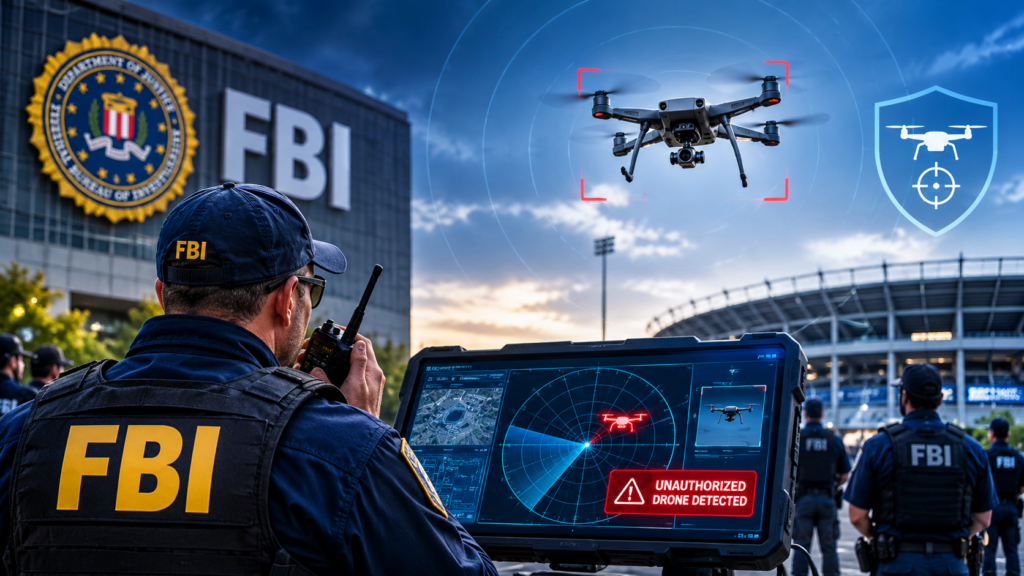
The FBI plans to roughly triple its capacity to train state, local, tribal, and territorial (SLTT) police in drone defense, and under the SAFER SKIES Act, officers must complete that counter-drone training before they can operate equipment that disrupts or takes over a drone. If your agency, city, or event venue wants lawful counter-drone capability in 2027, the path now runs through one place: the FBI’s National Counter-UAS Training Center in Huntsville, Alabama.
That is the short answer. The rest of this guide explains how the program works, who qualifies, what the law allows, how grant money fits in, and what the expansion signals for security teams far beyond the United States.
Key Takeaways: FBI Counter-Drone Training at a Glance
- Who runs it: The FBI’s National Counter-UAS Training Center (NCUTC), based at Redstone Arsenal in Huntsville, Alabama.
- Who it serves: State, local, tribal, and territorial law enforcement, plus correctional agencies.
- What changed: The FBI told reporters on November 9, 2026 that it intends to triple counter-drone training capacity as new federal authorities take effect.
- Why it matters: Training is now a legal and funding prerequisite for using drone-mitigation tools, not an optional extra.
- Legal basis: The SAFER SKIES Act, passed as part of the National Defense Authorization Act.
- Money: Federal grants fund equipment, but mitigation funding is tied to NCUTC-trained personnel.
- Next step for agencies: Contact your FBI field office’s counter-UAS coordinator.
What Is Counter-Drone Training?
Counter-drone training is structured instruction that teaches public safety personnel to detect, identify, track, and, where legally authorized, mitigate unauthorized drones. It combines technology skills, legal knowledge, and operational coordination, because stopping a drone in a crowded city carries real risks for people on the ground and for other aircraft.
Think of it as the drone-age equivalent of bomb-technician certification. Nobody expects a patrol officer to improvise a response to a suspicious device, and nobody should expect one to improvise a response to a hostile drone over a stadium.
The Four-Step Response Model
Most counter-UAS programs follow a layered model. Trainees learn to move through these stages in order:
- Detect: Notice that an aircraft is present, usually through radar, radio-frequency sensors, or cameras.
- Identify: Decide what the aircraft is, who might be flying it, and whether it is a threat or a hobbyist who strayed into restricted airspace.
- Track: Follow the aircraft and, ideally, locate the pilot.
- Mitigate: Take action to end the threat, such as disrupting the control link. This step is the legally sensitive one.
Why Mitigation Is Different
Mitigation means actively interfering with a drone’s flight, and it is the reason counter-drone training is regulated. Disrupting a drone can interfere with aviation systems, communications, and nearby electronics. FBI officials emphasized at the November roundtable that operators must account for the consequences of any mitigation action. That is why the program stresses judgment as much as hardware.
Why Is the FBI Expanding Counter-Drone Training Now?
The FBI is expanding because new law created demand faster than the old training pipeline could meet it. Three forces are pushing in the same direction.
Force One: A New Legal Authority
For years, only a short list of federal agencies could legally take down a drone. Local police could watch a drone hover over a stadium and do little about it. The SAFER SKIES Act changed that by allowing authorized SLTT agencies to respond in defined circumstances, with FBI training as a condition.
Force Two: Major Events and Real Incidents
The 2026 FIFA World Cup, held in 11 U.S. cities from June 11 through July 19, was the first large test. Andrew Giuliani, who heads the White House World Cup Task Force, framed the goal as protecting the 70,000 to 100,000 people in and around a stadium. Reporting from the period also described a drone incursion that halted play at a sporting event, which shows why venues treat this as a practical problem, not a hypothetical one.
Real-world misuse is not limited to stadiums. In 2024, a Tennessee man was charged with trying to attack an electrical substation using a drone loaded with explosives. In August, DroneLife reported on a multi-agency effort to detect dozens of unauthorized drones over Spokane-area wildfires so that firefighting aircraft could keep flying.
Force Three: Political Pressure for More Seats
On October 6, a bipartisan group of 29 governors wrote to federal officials asking for more training opportunities through the NCUTC for law enforcement, corrections officers, and National Guard personnel. The governors also asked that training cover legal authority, evidence collection, coordination, and safe response procedures. The FBI’s announcement of expanded capacity arrived about a month later.
The SAFER SKIES Act: The Legal Backbone of Counter-Drone Training
The SAFER SKIES Act is the federal law that lets trained state and local officers take part in counter-drone operations. It was enacted through the annual National Defense Authorization Act.
What the Law Does
According to the Senate sponsors’ summary, the provision does several things at once:
- Requires the FBI to train state and local officers on the proper use of counter-drone technology before it is deployed.
- Makes Department of Justice grant funding available so agencies can purchase approved equipment.
- Expands the scope of DHS and DOJ counter-drone authority to protect more facilities, including major airports.
- Creates criminal penalties for certain offenses committed using a drone.
Notice the order: training comes first, equipment second. That sequence is deliberate. Lawmakers wanted trained people holding the tools, not untrained people holding tools.
Deputization: How Local Officers Gain Authority
Deputization is the process by which the Department of Justice grants a trained local officer federal counter-drone authority. A senior DOJ official has explained that properly deputized officers who act within the scope of that federal authority are generally protected by the same legal frameworks and defenses that apply to federal officers. Reporting also notes the FBI can deputize SLTT officers to take down drones under narrow conditions, for example through an FBI task force structure.
The practical lesson for agencies: authority attaches to trained, deputized individuals operating inside defined limits, not to a department simply buying a jammer.
Inside the National Counter-UAS Training Center
The National Counter-UAS Training Center is the FBI’s dedicated school for teaching public safety officers to defend airspace. It operates from Redstone Arsenal, a site chosen in part for the surrounding area’s defense, space, and cybersecurity expertise. Fox News reported that FBI Director Kash Patel tied the center’s creation to a June 2025 executive order, and coverage of the first graduations describes it as modeled on the FBI’s Hazardous Devices School.
What the Course Looks Like
NPR observed the program in May 2026. The core course runs two weeks and trains state and local officers to detect, track, and counter drone threats. Students get hands-on practice, including a final exercise at a local stadium. Graduates head home as certified counter-drone operators.
The Joint Interagency Task Force 401 supports the curriculum by supplying instructors, which brings military experience into a civilian law enforcement setting.
How Many Officers Have Been Trained So Far?
As of early June 2026, about 60 officers from roughly 43 agencies had completed the two-week mitigation class. The first class graduated in October 2025. That is a small number for a country with thousands of police agencies, and it explains the November announcement. Tripling capacity is the FBI’s answer to a pipeline that, so far, has been narrow by design.
The Two-Tier Future
FBI drone program lead Mike Torphy said that after a formal rule-making process, non-federal officers will have two training tiers: an in-person Counter-UAS System Operator course and an online course. A summary of the FBI’s newer public-safety framework appears to confirm that a free online certification through the NCUTC is part of the lower, detection-focused tier.
Detection vs. Mitigation: How the Two Training Tiers Compare
The table below summarizes how the two broad categories of counter-UAS activity differ, based on the FBI framework summaries and program reporting. Details may shift as formal rules are finalized, so verify with your FBI field office before planning.
| Feature | Detection and Tracking | Mitigation |
|---|---|---|
| Typical activities | Detect, identify, monitor, and track drones; warn operators | Disrupt, take control of, or otherwise stop a drone |
| Training route | Free online NCUTC certification (per framework summary) | In-person two-week NCUTC operator course |
| Legal sensitivity | Lower | High; requires federal authority |
| Authority path | Agency policy and legal review | DOJ deputization of trained officers |
| Grant eligibility | Eligible for detection technology purchases | Tied to personnel trained, or scheduled to be trained, at NCUTC |
| Main risk | Privacy and data-handling issues | Collateral interference with aircraft and communications |
The takeaway: a smaller agency can start with detection and build toward mitigation, but it should not assume that buying hardware equals authority to use it.
How Does Federal Funding Connect to Counter-Drone Training?
Federal grants pay for equipment, but they are explicitly linked to training. A senior DOJ official told reporters that funds for mitigation capabilities can go only to law enforcement or correctional agencies whose personnel have been trained, or are scheduled to be trained, at the NCUTC.
Grant Pools to Watch
- $500 million in federal grants has been described for technologies that can detect, identify, track, or monitor drone threats and for related mitigation capability.
- $250 million in FEMA counter-drone grant funding has an application deadline of November 16, 2026, according to DroneLife’s November 1 report. That deadline is days away, so interested agencies should confirm eligibility immediately.
DroneLife noted that questions remain about whether the money will meet demand. With the FBI planning to triple training seats, agencies should expect competition for both funding and classroom spots.
How Can a Local Agency Get Started? A Practical Checklist
Start with your FBI field office, because each one has a counter-UAS coordinator who supports local agencies. From there, a typical sequence looks like this:
- Contact the field office coordinator. Ask about current NCUTC seats, eligibility, and the authorization process.
- Define your mission. Are you protecting stadiums, prisons, airports, wildfire operations, or critical infrastructure? The answer shapes your equipment and training needs.
- Get legal review early. Have counsel examine state law, privacy rules, and your agency’s policies before buying anything.
- Nominate candidates carefully. Choose officers who can handle technical work, make calm decisions, and train colleagues afterward.
- Plan the grant timeline. Align your application with training schedules, since mitigation funding depends on trained staff.
- Build sustainment into the budget. FBI guidance, as summarized by public safety drone groups, stresses that programs need trained personnel, policies, recurring training, legal review, and long-term support. Hardware alone is not a program.
What Are the Limits and Risks of Local Counter-Drone Operations?
Counter-drone work has real limits, and responsible programs state them openly.
Not Aimed at Hobbyists
FBI leaders have said the program targets threats, not hobbyists. That message matters for community trust. A teenager flying a camera drone over a park is a different problem from a drone approaching a crowd.
Collateral Effects
Mitigation tools can affect other radio traffic and aircraft. Officers need to understand the environment before they act, which is why the course includes realistic exercises and not just classroom lectures.
Capacity Constraints
Even after tripling, training capacity will not cover every department. Expect priorities to favor host cities of major events, airports, and agencies with documented threats.
Rules Still Being Written
The two-tier structure depends on formal rule-making. Agencies should watch for final rules and avoid assuming that current guidance is permanent.
What Does FBI Counter-Drone Training Mean Beyond the United States?
The U.S. model offers a template: law first, training second, equipment third. For security professionals in India and other fast-growing drone markets, three lessons stand out.
- Training before technology. The American approach ties funding to certified personnel. That discourages expensive purchases that sit unused or get misused.
- Clear legal authority. Deputization and defined conditions reduce the chance that well-meaning officers create legal or safety problems.
- Layered response. Detection, identification, tracking, and mitigation are separate skills. Many agencies need the first three long before they need the fourth.
For students and early-career professionals, this is also a career signal. Counter-UAS sits at the intersection of radio engineering, AI-based detection, public policy, and operations. Detection software increasingly relies on machine learning to separate drones from birds and clutter, which means AI and data skills are directly relevant to airspace security work.
Frequently Asked Questions About Counter-Drone Training
Who can attend FBI counter-drone training?
State, local, tribal, and territorial law enforcement personnel, and correctional agency staff, can attend through the NCUTC. Seats are limited, and agencies should coordinate through their FBI field office.
How long is the in-person course?
The core NCUTC course has been reported as two weeks, ending with a hands-on exercise at a stadium.
Is counter-drone training required before buying equipment?
For mitigation equipment funded through the federal grants described above, yes. Funding is available only to agencies with personnel trained or scheduled to be trained at the NCUTC.
Can any police officer legally shoot down or jam a drone?
No. Mitigation requires federal authority, which trained officers receive through deputization under defined conditions. Acting outside those limits can create legal liability and safety hazards.
What is the difference between detection and mitigation?
Detection means finding, identifying, and tracking a drone. Mitigation means taking action to stop it. Mitigation carries more legal risk and requires deeper training.
How many officers have completed the course?
About 60 officers from roughly 43 agencies had finished the two-week class by early June 2026. The FBI now plans to expand capacity significantly.
Where can agencies find the latest rules?
Start with your FBI field office counter-UAS coordinator and the NCUTC. Because formal rule-making is ongoing, official channels are more reliable than summaries.
Conclusion: Counter-Drone Training Is Becoming Standard Public Safety Practice
The FBI’s decision to triple capacity shows that counter-drone training has moved from pilot program to infrastructure. Legal authority, grant funding, and operational readiness now all hinge on whether officers have been through the NCUTC pipeline. For agencies, the message is simple: start early, get legal review, plan for sustainment, and treat training as the foundation rather than the afterthought.
ସ୍ଥାନୀୟ ଆଇନ ପ୍ରଣୟନକାରୀ ସଂସ୍ଥାଗୁଡ଼ିକ ପାଇଁ FBIର ‘ଡ୍ରୋନ୍-ବିରୋଧୀ’ (Counter-Drone) ପ୍ରଶିକ୍ଷଣ: ଏହି ସମ୍ପ୍ରସାରଣର ଅର୍ଥ କ’ଣ?
FBI ରାଜ୍ୟ, ସ୍ଥାନୀୟ, ଆଦିବାସୀ ଏବଂ ଆଞ୍ଚଳିକ (SLTT) ପୋଲିସ ବାହିନୀକୁ ଡ୍ରୋନ୍-ବିରୋଧୀ କାର୍ଯ୍ୟକଳାପ (ଡ୍ରୋନ୍ ମୁକାବିଲା) ଉପରେ ପ୍ରଶିକ୍ଷଣ ଦେବାର କ୍ଷମତାକୁ ପ୍ରାୟ ତିନିଗୁଣ ବୃଦ୍ଧି କରିବାକୁ ଯୋଜନା କରୁଛି। ‘SAFER SKIES Act’ (ସେଫର୍ ସ୍କାଏସ୍ ଆକ୍ଟ) ଅନୁଯାୟୀ, ଯେଉଁ ଉପକରଣଗୁଡ଼ିକ ଡ୍ରୋନ୍କୁ ଅଚଳ କରିପାରେ କିମ୍ବା ସେଗୁଡ଼ିକର ନିୟନ୍ତ୍ରଣ ନିଜ ହାତକୁ ନେଇପାରେ, ସେଗୁଡ଼ିକୁ ବ୍ୟବହାର କରିବା ପୂର୍ବରୁ ଅଧିକାରୀମାନଙ୍କୁ ଏହି ଡ୍ରୋନ୍-ବିରୋଧୀ ପ୍ରଶିକ୍ଷଣ ସମ୍ପୂର୍ଣ୍ଣ କରିବା ବାଧ୍ୟତାମୂଳକ ଅଟେ। ଯଦି ଆପଣଙ୍କ ସଂସ୍ଥା, ସହର କିମ୍ବା କୌଣସି କାର୍ଯ୍ୟକ୍ରମ ସ୍ଥଳରେ ୨୦୨୭ ମସିହାରେ ଆଇନସମ୍ମତ ଭାବେ ଡ୍ରୋନ୍-ବିରୋଧୀ କ୍ଷମତା ରହିବା ଆବଶ୍ୟକ, ତେବେ ଏଥିପାଇଁ କେବଳ ଗୋଟିଏ ହିଁ ଉପାୟ ଅଛି: ଆଲାବାମାର ହଣ୍ଟସଭିଲ୍ (Huntsville) ଠାରେ ଅବସ୍ଥିତ FBIର ‘ନ୍ୟାସନାଲ୍ କାଉଣ୍ଟର-UAS ଟ୍ରେନିଂ ସେଣ୍ଟର’ (National Counter-UAS Training Center – NCUTC)।
ଏହା ହେଲା ସଂକ୍ଷିପ୍ତ ଉତ୍ତର। ଏହି ଗାଇଡ୍ର ଅନ୍ୟ ଅଂଶଗୁଡ଼ିକରେ ବର୍ଣ୍ଣନା କରାଯାଇଛି ଯେ ଏହି କାର୍ଯ୍ୟକ୍ରମ କିପରି କାମ କରେ, କିଏ ଏଥିପାଇଁ ଯୋଗ୍ୟ, ଆଇନ କ’ଣ ଅନୁମତି ଦିଏ, ଅନୁଦାନ ଅର୍ଥରାଶି (grant money) କିପରି ଏଥିରେ ସାମିଲ ହୁଏ ଏବଂ ଏହି ସମ୍ପ୍ରସାରଣ ଯୁକ୍ତରାଷ୍ଟ୍ର ଆମେରିକା ବାହାରେ ଥିବା ସୁରକ୍ଷା ଦଳଗୁଡ଼ିକ ପାଇଁ କ’ଣ ସୂଚିତ କରେ।
ମୁଖ୍ୟ ବିଷୟବସ୍ତୁ: FBIର ଡ୍ରୋନ୍-ବିରୋଧୀ ପ୍ରଶିକ୍ଷଣ ଉପରେ ଏକ ନଜର
କିଏ ପରିଚାଳନା କରେ: ଆଲାବାମାର ହଣ୍ଟସଭିଲ୍ସ୍ଥିତ ‘ରେଡଷ୍ଟୋନ୍ ଆର୍ସେନାଲ୍’ (Redstone Arsenal) ରେ ଥିବା FBIର ‘ନ୍ୟାସନାଲ୍ କାଉଣ୍ଟର-UAS ଟ୍ରେନିଂ ସେଣ୍ଟର’ (NCUTC)।
କାହା ପାଇଁ ଉଦ୍ଦିଷ୍ଟ: ରାଜ୍ୟ, ସ୍ଥାନୀୟ, ଆଦିବାସୀ ଏବଂ ଆଞ୍ଚଳିକ ଆଇନ ପ୍ରଣୟନକାରୀ ସଂସ୍ଥା, ତଥା କାରାଗାର ପରିଚାଳନା ସଂସ୍ଥାଗୁଡ଼ିକ ପାଇଁ।
କ’ଣ ପରିବର୍ତ୍ତନ ହୋଇଛି: ନୂତନ ଫେଡେରାଲ୍ କର୍ତ୍ତୃପକ୍ଷଙ୍କ ନିୟମାବଳୀ ଲାଗୁ ହେବା ସହ, FBI ୯ ନଭେମ୍ବର, ୨ କୌଣସି ପାଟ୍ରୋଲ୍ ଅଫିସରଙ୍କ ଠାରୁ ଏହା ଆଶା କରାଯାଏ ନାହିଁ ଯେ ସେ କୌଣସି ସନ୍ଦେହଜନକ ବସ୍ତୁ ଦେଖିଲେ ତୁରନ୍ତ ନିଜ ବିବେକ ଅନୁସାରେ କିଛି ପଦକ୍ଷେପ ନିଅନ୍ତୁ; ସେହିପରି, ଷ୍ଟାଡିୟମ୍ ଉପରେ କୌଣସି ଶତ୍ରୁପକ୍ଷୀୟ ଡ୍ରୋନ୍ (drone) ଦେଖାଦେଲେ ମଧ୍ୟ, ସେମାନଙ୍କ ଠାରୁ ଏଭଳି ତୁରନ୍ତ ନିଜସ୍ୱ ନିଷ୍ପତ୍ତି ନେଇ କାର୍ଯ୍ୟ କରିବା ଆଶା କରାଯିବା ଉଚିତ୍ ନୁହେଁ।
ଚାରି-ପର୍ଯ୍ୟାୟ ବିଶିଷ୍ଟ ପ୍ରତିକ୍ରିୟା ମଡେଲ୍ (Four-Step Response Model)
ଅଧିକାଂଶ ‘କାଉଣ୍ଟର-ୟୁଏଏସ୍’ (counter-UAS – ଡ୍ରୋନ୍ ବିରୋଧୀ) କାର୍ଯ୍ୟକ୍ରମ ଏକ ସ୍ତରୀୟ ମଡେଲ୍ ଅନୁସରଣ କରନ୍ତି। ଏଥିରେ ପ୍ରଶିକ୍ଷାର୍ଥୀମାନେ ନିମ୍ନଲିଖିତ ପର୍ଯ୍ୟାୟଗୁଡ଼ିକୁ କ୍ରମାନ୍ୱୟରେ ଅନୁସରଣ କରିବା ଶିଖନ୍ତି:
ଚିହ୍ନଟ (Detect): ରାଡାର୍, ରେଡିଓ-ଫ୍ରିକ୍ୱେନ୍ସି ସେନ୍ସର କିମ୍ବା କ୍ୟାମେରା ମାଧ୍ୟମରେ ଏକ ଉଡ଼ନ୍ତା ଯାନ (aircraft) ଉପସ୍ଥିତି ବିଷୟରେ ଜାଣିବା।
ପରିଚୟ ନିର୍ଦ୍ଧାରଣ (Identify): ଉକ୍ତ ଯାନଟି କ’ଣ, ଏହାକୁ କିଏ ଚଳାଉଛି ଏବଂ ଏହା ଏକ ବିପଦ କିମ୍ବା କେବଳ ଜଣେ ସୌଖୀନ ବ୍ୟକ୍ତିଙ୍କ ଦ୍ୱାରା ନିୟନ୍ତ୍ରିତ ଯାନ ଯାହା ଭୁଲବଶତଃ ନିଷିଦ୍ଧ ଆକାଶମାର୍ଗରେ ପ୍ରବେଶ କରିଛି, ତାହା ନିର୍ଦ୍ଧାରଣ କରିବା।
ଅନୁସରଣ (Track): ଉଡ଼ନ୍ତା ଯାନଟିକୁ ଅନୁସରଣ କରିବା ଏବଂ ସମ୍ଭବ ହେଲେ ଏହାର ପାଇଲଟ୍ (ଚାଳକ) କିଏ ତାହା ଖୋଜି ବାହାର କରିବା।
ପ୍ରତିକାର/ନିୟନ୍ତ୍ରଣ (Mitigate): ବିପଦକୁ ଦୂର କରିବା ପାଇଁ ପଦକ୍ଷେପ ନେବା, ଯେପରିକି ଡ୍ରୋନ୍ର ନିୟନ୍ତ୍ରଣ ଲିଙ୍କ୍କୁ ବିଚ୍ଛିନ୍ନ କରିଦେବା। ଏହି ପର୍ଯ୍ୟାୟଟି ଆଇନଗତ ଦୃଷ୍ଟିକୋଣରୁ ଅତ୍ୟନ୍ତ ସମ୍ବେଦନଶୀଳ ଅଟେ।
‘ପ୍ରତିକାର’ (Mitigation) କାହିଁକି ଭିନ୍ନ ଅଟେ?
‘ପ୍ରତିକାର’ କହିଲେ ଡ୍ରୋନ୍ର ଉଡ଼ାଣ ପ୍ରକ୍ରିୟାରେ ସକ୍ରିୟ ଭାବେ ହସ୍ତକ୍ଷେପ କରିବାକୁ ବୁଝାଏ, ଏବଂ ଏହି କାରଣରୁ ହିଁ ଡ୍ରୋନ୍ ବିରୋଧୀ ପ୍ରଶିକ୍ଷଣ ଉପରେ କଠୋର ନିୟମାବଳୀ ରହିଛି। ଡ୍ରୋନ୍ର କାର୍ଯ୍ୟକାରିତାରେ ବାଧା ସୃଷ୍ଟି କରିବା ଦ୍ୱାରା ବିମାନ ଚଳାଚଳ ବ୍ୟବସ୍ଥା, ଯୋଗାଯୋଗ ବ୍ୟବସ୍ଥା ଏବଂ ନିକଟରେ ଥିବା ଅନ୍ୟାନ୍ୟ ଇଲେକ୍ଟ୍ରୋନିକ୍ ଉପକରଣ ଉପରେ ପ୍ରଭାବ ପଡ଼ିପାରେ। ନଭେମ୍ବର ମାସରେ ଅନୁଷ୍ଠିତ ଏକ ଆଲୋଚ ସେହି ସମୟର ରିପୋର୍ଟିଂରେ ଏକ ଡ୍ରୋନ୍ ଆକ୍ରମଣ ମଧ୍ୟ ବର୍ଣ୍ଣନା କରାଯାଇଥିଲା ଯାହା ଏକ କ୍ରୀଡା ଇଭେଣ୍ଟରେ ଖେଳକୁ ବନ୍ଦ କରିଦେଇଥିଲା, ଯାହା ଦର୍ଶାଏ ଯେ କାହିଁକି ସ୍ଥାନଗୁଡ଼ିକ ଏହାକୁ ଏକ କାଳ୍ପନିକ ସମସ୍ୟା ଭାବରେ ନୁହେଁ, ବରଂ ଏକ ବ୍ୟବହାରିକ ସମସ୍ୟା ଭାବରେ ବ୍ୟବହାର କରନ୍ତି।
ବାସ୍ତବ-ଦୁନିଆର ଅପବ୍ୟବହାର କେବଳ ଷ୍ଟାଡିୟମରେ ସୀମିତ ନୁହେଁ। 2024 ରେ, ଜଣେ ଟେନେସି ବ୍ୟକ୍ତିଙ୍କୁ ବିସ୍ଫୋରକ ଭର୍ତ୍ତି ଡ୍ରୋନ୍ ବ୍ୟବହାର କରି ଏକ ବୈଦ୍ୟୁତିକ ସବଷ୍ଟେସନ ଉପରେ ଆକ୍ରମଣ କରିବାକୁ ଚେଷ୍ଟା କରିବା ଅଭିଯୋଗରେ ଅଭିଯୁକ୍ତ କରାଯାଇଥିଲା। ଅଗଷ୍ଟରେ, ଡ୍ରୋନଲାଇଫ୍ ସ୍ପୋକେନ୍-ଏରିଆ ଜଙ୍ଗଲ ନିଆଁ ଉପରେ ଡଜନେ ଅନଧିକୃତ ଡ୍ରୋନ୍ ଚିହ୍ନଟ କରିବା ପାଇଁ ଏକ ବହୁ-ଏଜେନ୍ସି ପ୍ରୟାସ ବିଷୟରେ ରିପୋର୍ଟ କରିଥିଲା ଯାହା ଦ୍ୱାରା ଅଗ୍ନି ନିର୍ବାପକ ବିମାନ ଉଡ଼ିପାରିବ।
ତିନି ଶକ୍ତି: ଅଧିକ ଆସନ ପାଇଁ ରାଜନୈତିକ ଚାପ
ଅକ୍ଟୋବର 6 ରେ, 29 ଜଣ ରାଜ୍ୟପାଳଙ୍କ ଏକ ଦ୍ୱିପାକ୍ଷିକ ଗୋଷ୍ଠୀ ସଂଘୀୟ ଅଧିକାରୀମାନଙ୍କୁ ଚିଠି ଲେଖି ଆଇନ ପ୍ରବର୍ତ୍ତନ, ସଂଶୋଧନ ଅଧିକାରୀ ଏବଂ ନ୍ୟାସନାଲ୍ ଗାର୍ଡ କର୍ମଚାରୀଙ୍କ ପାଇଁ NCUTC ମାଧ୍ୟମରେ ଅଧିକ ତାଲିମ ସୁଯୋଗ ପାଇଁ ଅନୁରୋଧ କରିଥିଲେ। ରାଜ୍ୟପାଳମାନେ ଏହା ମଧ୍ୟ କହିଥିଲେ ଯେ ତାଲିମ ଆଇନଗତ କର୍ତ୍ତୃପକ୍ଷ, ପ୍ରମାଣ ସଂଗ୍ରହ, ସମନ୍ୱୟ ଏବଂ ସୁରକ୍ଷିତ ପ୍ରତିକ୍ରିୟା ପ୍ରକ୍ରିୟାକୁ ଅନ୍ତର୍ଭୁକ୍ତ କରେ। ଏଫବିଆଇର ବିସ୍ତାର ଘୋଷଣା ପ୍ରାୟ ଏକ ମାସ ପରେ ଆବଶ୍ୟକୀୟ କ୍ଷମତା ଉପଲବ୍ଧ ହେଲା।
‘ସେଫର୍ ସ୍କାଏସ୍ ଆକ୍ଟ’ (SAFER SKIES Act): ଡ୍ରୋନ୍-ବିରୋଧୀ ପ୍ରଶିକ୍ଷଣର ଆଇନଗତ ଆଧାର
‘ସେଫର୍ ସ୍କାଏସ୍ ଆକ୍ଟ’ ହେଉଛି ଏକ କେନ୍ଦ୍ରୀୟ ଆଇନ, ଯାହା ରାଜ୍ୟ ଓ ସ୍ଥାନୀୟ ସ୍ତରର ପ୍ରଶିକ୍ଷିତ ଅଧିକାରୀମାନଙ୍କୁ ଡ୍ରୋନ୍-ବିରୋଧୀ କାର୍ଯ୍ୟାନୁଷ୍ଠାନରେ ଅଂଶଗ୍ରହଣ କରିବାକୁ ଅନୁମତି ଦେଇଥାଏ। ଏହା ବାର୍ଷିକ ‘ନ୍ୟାସନାଲ୍ ଡିଫେନ୍ସ ଅଥରାଇଜେସନ୍ ଆକ୍ଟ’ (National Defense Authorization Act) ମାଧ୍ୟମରେ ପ୍ରଣୟନ କରାଯାଇଥିଲା।
ଏହି ଆଇନର କାର୍ଯ୍ୟ
ସିନେଟ୍ରେ ଏହି ଆଇନକୁ ଆଗତ କରିଥିବା ବ୍ୟକ୍ତିମାନଙ୍କ ସାରାଂଶ ଅନୁଯାୟୀ, ଏହି ବ୍ୟବସ୍ଥା ଏକାସାଙ୍ଗରେ ଅନେକ କାର୍ଯ୍ୟ କରିଥାଏ:
ଏହା FBI (ଏଫ୍ବିଆଇ) କୁ ନିର୍ଦ୍ଦେଶ ଦିଏ ଯେ, ଡ୍ରୋନ୍-ବିରୋଧୀ ପ୍ରଯୁକ୍ତିବିଦ୍ୟା ବ୍ୟବହାର କରିବା ପୂର୍ବରୁ ରାଜ୍ୟ ଓ ସ୍ଥାନୀୟ ଅଧିକାରୀମାନଙ୍କୁ ଏହାର ଉଚିତ୍ ପ୍ରୟୋଗ ସମ୍ବନ୍ଧରେ ପ୍ରଶିକ୍ଷଣ ଦିଆଯାଉ।
ଏହା ‘ଡିପାର୍ଟମେଣ୍ଟ ଅଫ୍ ଜଷ୍ଟିସ୍’ (ନ୍ୟାୟ ବିଭାଗ) ପକ୍ଷରୁ ଅନୁଦାନ ଉପଲବ୍ଧ କରାଏ, ଯାହା ଦ୍ୱାରା ବିଭିନ୍ନ ସଂସ୍ଥା ଅନୁମୋଦିତ ଉପକରଣ କିଣିପାରିବେ।
ଏହା DHS (ଡିପାର୍ଟମେଣ୍ଟ ଅଫ୍ ହୋମଲ୍ୟାଣ୍ଡ ସିକ୍ୟୁରିଟି) ଏବଂ DOJ (ନ୍ୟାୟ ବିଭାଗ) ର ଡ୍ରୋନ୍-ବିରୋଧୀ କ୍ଷମତାର ପରିସରକୁ ବୃଦ୍ଧି କରେ, ଯାହା ଫଳରେ ପ୍ରମୁଖ ବିମାନବନ୍ଦର ସମେତ ଅଧିକ ସ୍ଥାନ ଓ ସୁବିଧାକୁ ସୁରକ୍ଷା ଦିଆଯାଇପାରିବ।
ଏହା ଡ୍ରୋନ୍ ବ୍ୟବହାର କରି କରାଯାଉଥିବା ନିର୍ଦ୍ଦିଷ୍ଟ ଅପରାଧ ପାଇଁ ଦଣ୍ଡବିଧାନର ବ୍ୟବସ୍ଥା କରେ।
ଏଠାରେ କ୍ରମଟି ଲକ୍ଷ୍ୟ କରନ୍ତୁ: ପ୍ରଥମେ ପ୍ରଶିକ୍ଷଣ, ତା’ପରେ ଉପକରଣ। ଏହି କ୍ରମଟି ସୁଚିନ୍ତିତ ଭାବେ ସ୍ଥିର କରାଯାଇଛି। ଆଇନ ପ୍ରଣେତାମାନେ ଚାହୁଁଥିଲେ ଯେ ଉପକରଣଗୁଡ଼ିକ କେବଳ ପ୍ରଶିକ୍ଷିତ ବ୍ୟକ୍ତିଙ୍କ ହାତରେ ରହୁ, ଅପ୍ରଶିକ୍ଷିତ ବ୍ୟକ୍ତିଙ୍କ ହାତରେ ନୁହେଁ।
‘ଡେପୁଟାଇଜେସନ୍’ (ଅଧିକାର ପ୍ରଦାନ ପ୍ରକ୍ରିୟା): ସ୍ଥାନୀୟ ଅଧିକାରୀମାନେ କିପରି କ୍ଷମତା ପାଆନ୍ତି
‘ଡେପୁଟାଇଜେସନ୍’ ହେଉଛି ଏକ ପ୍ରକ୍ରିୟା, ଯାହା ମାଧ୍ୟମରେ ‘ଡିପାର୍ଟମେଣ୍ଟ ଅଫ୍ ଜଷ୍ଟିସ୍’ (ନ୍ୟାୟ ବିଭାଗ) ଜଣେ ପ୍ରଶିକ୍ଷିତ ସ୍ଥାନୀୟ ଅଧିକାରୀଙ୍କୁ କେନ୍ଦ୍ରୀ ଏହି ପାଠ୍ୟକ୍ରମ କିପରି ହୋଇଥାଏ
NPR (ଏନପିଆର୍) ୨୦୨୬ ମସିହା ମେ’ ମାସରେ ଏହି କାର୍ଯ୍ୟକ୍ରମକୁ ପର୍ଯ୍ୟବେକ୍ଷଣ କରିଥିଲା। ଏହି ମୁଖ୍ୟ ପାଠ୍ୟକ୍ରମଟି ଦୁଇ ସପ୍ତାହ ଧରି ଚାଲେ ଏବଂ ଏଥିରେ ରାଜ୍ୟ ତଥା ସ୍ଥାନୀୟ ଅଧିକାରୀମାନଙ୍କୁ ଡ୍ରୋନ୍ ଜନିତ ବିପଦକୁ ଚିହ୍ନଟ କରିବା, ଟ୍ରାକ୍ କରିବା (ଗତିବିଧି ଉପରେ ନଜର ରଖିବା) ଏବଂ ତାହାର ମୁକାବିଲା କରିବା ପାଇଁ ପ୍ରଶିକ୍ଷଣ ଦିଆଯାଏ। ଏଥିରେ ଅଂଶଗ୍ରହଣକାରୀମାନେ ବ୍ୟାବହାରିକ ପ୍ରଶିକ୍ଷଣ (hands-on practice) ପାଇଥାନ୍ତି, ଯେଉଁଥିରେ ଏକ ସ୍ଥାନୀୟ ଷ୍ଟାଡିୟମରେ କରାଯାଉଥିବା ଚୂଡ଼ାନ୍ତ ଅଭ୍ୟାସ ମଧ୍ୟ ଅନ୍ତର୍ଭୁକ୍ତ। ପାଠ୍ୟକ୍ରମ ଶେଷ କରିବା ପରେ, ସେମାନେ ‘ପ୍ରମାଣିତ କାଉଣ୍ଟର-ଡ୍ରୋନ୍ ଅପରେଟର’ (ଡ୍ରୋନ୍-ବିରୋଧୀ ପରିଚାଳକ) ଭାବରେ ନିଜ କାର୍ଯ୍ୟକ୍ଷେତ୍ରକୁ ଫେରିଥାନ୍ତି।
‘ଜଏଣ୍ଟ ଇଣ୍ଟରଏଜେନ୍ସି ଟାସ୍କ ଫୋର୍ସ ୪୦୧’ (Joint Interagency Task Force 401) ଏହି ପାଠ୍ୟକ୍ରମ ପାଇଁ ପ୍ରଶିକ୍ଷକ ଯୋଗାଇ ସହଯୋଗ କରେ। ଏହା ଫଳରେ ସାମରିକ ଅଭିଜ୍ଞତା ଥିବା ବ୍ୟକ୍ତିମାନେ ବେସାମରିକ ଆଇନ ପ୍ରବର୍ତ୍ତନକାରୀ ସଂସ୍ଥାଗୁଡ଼ିକରେ ନିଜର ଅଭିଜ୍ଞତା ପ୍ରୟୋଗ କରିବାର ସୁଯୋଗ ପାଆନ୍ତି।
ଏପର୍ଯ୍ୟନ୍ତ କେତେ ଜଣ ଅଧିକାରୀ ପ୍ରଶିକ୍ଷିତ ହୋଇଛନ୍ତି?
୨୦୨୬ ମସିହା ଜୁନ୍ ମାସ ଆରମ୍ଭ ସୁଦ୍ଧା, ପ୍ରାୟ ୪୩ଟି ସଂସ୍ଥାରୁ ପ୍ରାୟ ୬୦ ଜଣ ଅଧିକାରୀ ଏହି ଦୁଇ ସପ୍ତାହ ବିଶିଷ୍ଟ ‘ମିଟିଗେସନ୍’ (ବିପଦ ନିବାରଣ/ମୁକାବିଲା) ପାଠ୍ୟକ୍ରମ ସମ୍ପୂର୍ଣ୍ଣ କରିଥିଲେ। ପ୍ରଥମ ବ୍ୟାଚ୍ର ପ୍ରଶିକ୍ଷଣ ୨୦୨୫ ମସିହା ଅକ୍ଟୋବର ମାସରେ ଶେଷ ହୋଇଥିଲା। ହଜାର ହଜାର ପୋଲିସ ସଂସ୍ଥା ଥିବା ଏକ ଦେଶ ପାଇଁ ଏହି ସଂଖ୍ୟା ବହୁତ କମ୍ ଅଟେ, ଯାହା ନଭେମ୍ବର ମାସରେ କରାଯାଇଥିବା ଘୋଷଣାର କାରଣ ସ୍ପଷ୍ଟ କରେ। FBI (ଏଫ୍ବିଆଇ) ଏହି ପ୍ରଶିକ୍ଷଣ କ୍ଷମତାକୁ ତିନିଗୁଣ କରିବାକୁ ଲକ୍ଷ୍ୟ ରଖିଛି, ଯାହା ପୂର୍ବରୁ ବେଶ୍ ସୀମିତ (narrow) ଥିଲା।
ଦୁଇ-ସ୍ତରୀୟ ଭବିଷ୍ୟତ
FBIର ଡ୍ରୋନ୍ କାର୍ଯ୍ୟକ୍ରମର ମୁଖ୍ୟ ମାଇକ୍ ଟର୍ଫି (Mike Torphy) କହିଛନ୍ତି ଯେ, ଏକ ଔପଚାରିକ ନିୟମ ପ୍ରଣୟନ ପ୍ରକ୍ରିୟା ପରେ, ଫେଡେରାଲ୍ (କେନ୍ଦ୍ରୀୟ) ସ୍ତରରୁ ବାହାରେ ଥିବା ଅଧିକାରୀମାନଙ୍କ ପାଇଁ ଦୁଇଟି ସ୍ତରର ପ୍ରଶ ସଂଘୀୟ କର୍ତ୍ତୃପକ୍ଷ ଆବଶ୍ୟକ
କର୍ତ୍ତୃତ୍ୱ ପଥ ଏଜେନ୍ସି ନୀତି ଏବଂ ଆଇନଗତ ସମୀକ୍ଷା DOJ ତାଲିମପ୍ରାପ୍ତ ଅଧିକାରୀମାନଙ୍କୁ ଡେପୁଟେସନ୍
ଅନୁଦାନ ଯୋଗ୍ୟତା ଚିହ୍ନଟ ପ୍ରଯୁକ୍ତି କ୍ରୟ ପାଇଁ ଯୋଗ୍ୟ NCUTC ରେ ତାଲିମପ୍ରାପ୍ତ କିମ୍ବା ତାଲିମପ୍ରାପ୍ତ ହେବାକୁ ଥିବା କର୍ମଚାରୀଙ୍କ ସହ ଜଡିତ
ମୁଖ୍ୟ ବିପଦ ଗୋପନୀୟତା ଏବଂ ତଥ୍ୟ ପରିଚାଳନା ସମସ୍ୟା ବିମାନ ଏବଂ ଯୋଗାଯୋଗ ସହିତ ସମାନ୍ତରାଳ ହସ୍ତକ୍ଷେପ
ନିର୍ଣ୍ଣୟ: ଏକ ଛୋଟ ସଂସ୍ଥା ଚିହ୍ନଟ ସହିତ ଆରମ୍ଭ କରିପାରିବ ଏବଂ ହ୍ରାସ ଦିଗରେ ନିର୍ମାଣ କରିପାରିବ, କିନ୍ତୁ ଏହା ଧରି ନେବା ଉଚିତ୍ ନୁହେଁ ଯେ ହାର୍ଡୱେର୍ କିଣିବା ଏହାକୁ ବ୍ୟବହାର କରିବା ପାଇଁ କର୍ତ୍ତୃପକ୍ଷ ସମାନ।
ସଂଘୀୟ ପାଣ୍ଠି କିପରି ଡ୍ରୋନ୍-ପ୍ରତିରୋଧୀ ତାଲିମ ସହିତ ସଂଯୋଗ କରେ?
ସଂଘୀୟ ଅନୁଦାନ ଉପକରଣ ପାଇଁ ଦେୟ ଦିଏ, କିନ୍ତୁ ସେଗୁଡ଼ିକ ସ୍ପଷ୍ଟ ଭାବରେ ତାଲିମ ସହିତ ଜଡିତ। DOJ ର ଜଣେ ବରିଷ୍ଠ ଅଧିକାରୀ ସାମ୍ବାଦିକମାନଙ୍କୁ କହିଛନ୍ତି ଯେ ହ୍ରାସ କ୍ଷମତା ପାଇଁ ପାଣ୍ଠି କେବଳ ଆଇନ ପ୍ରବର୍ତ୍ତନ କିମ୍ବା ସଂଶୋଧନକାରୀ ସଂସ୍ଥାଗୁଡ଼ିକୁ ଯାଇପାରିବ ଯାହାର କର୍ମଚାରୀମାନଙ୍କୁ NCUTC ରେ ତାଲିମ ଦିଆଯାଇଛି, କିମ୍ବା ତାଲିମପ୍ରାପ୍ତ ହେବାକୁ ଥିବା ସଂସ୍ଥାଗୁଡ଼ିକ।
ଅନୁଦାନ ପୁଲ୍ ଦେଖିବା ପାଇଁ
$500 ମିଲିୟନ ଡ୍ରୋନ୍ ଜନିତ ବିପଦକୁ ଚିହ୍ନଟ କରିବା, ପରିଚୟ ଜାଣିବା, ଅନୁସରଣ କରିବା କିମ୍ବା ନଜର ରଖିବା ପାଇଁ ବ୍ୟବହୃତ ପ୍ରଯୁକ୍ତିବିଦ୍ୟା ଏବଂ ଏହାକୁ ରୋକିବା କିମ୍ବା ନିୟନ୍ତ୍ରଣ କରିବା ପାଇଁ ଆବଶ୍ୟକ କ୍ଷମତା ବିକାଶ ନିମନ୍ତେ ଫେଡେରାଲ୍ ଅନୁଦାନ (federal grants) ଉପଲବ୍ଧ ରହିଛି।
‘ଡ୍ରୋନ୍ଲାଇଫ୍’ (DroneLife) ର ନଭେମ୍ବର ୧ ତାରିଖର ରିପୋର୍ଟ ଅନୁଯାୟୀ, FEMA (ଫେଡେରାଲ୍ ଏମର୍ଜେନ୍ସି ମ୍ୟାନେଜମେଣ୍ଟ ଏଜେନ୍ସି) ପକ୍ଷରୁ ଡ୍ରୋନ୍ ମୁକାବିଲା ପାଇଁ ୨୫୦ ନିୟୁତ ଡଲାରର ଅନୁଦାନ ଘୋଷଣା କରାଯାଇଛି, ଯାହା ପାଇଁ ଆବେଦନ କରିବାର ଶେଷ ତାରିଖ ହେଉଛି ନଭେମ୍ବର ୧୬, ୨୦୨୬। ଏହି ତାରିଖ ନିକଟତର ହେଉଥିବାରୁ, ଆଗ୍ରହୀ ସଂସ୍ଥାଗୁଡ଼ିକ ତୁରନ୍ତ ନିଜର ଯୋଗ୍ୟତା ଯାଞ୍ଚ କରିନେବା ଉଚିତ୍।
‘ଡ୍ରୋନ୍ଲାଇଫ୍’ ଉଲ୍ଲେଖ କରିଛି ଯେ, ଏହି ଅର୍ଥରାଶି ଆବଶ୍ୟକତା ପୂରଣ କରିବା ପାଇଁ ଯଥେଷ୍ଟ ହେବ କି ନାହିଁ, ସେ ନେଇ ପ୍ରଶ୍ନ ରହିଯାଇଛି। FBI ନିଜର ପ୍ରଶିକ୍ଷଣ ସୁବିଧା (training seats) କୁ ତିନିଗୁଣ କରିବାକୁ ଯୋଜନା କରୁଥିବାରୁ, ଅନୁଦାନ ପାଇବା ଏବଂ ପ୍ରଶିକ୍ଷଣ କାର୍ଯ୍ୟକ୍ରମରେ ସ୍ଥାନ ପାଇବା ପାଇଁ ସଂସ୍ଥାଗୁଡ଼ିକ ମଧ୍ୟରେ ପ୍ରତିଯୋଗିତା ହେବାର ସମ୍ଭାବନା ରହିଛି।
ଏକ ସ୍ଥାନୀୟ ସଂସ୍ଥା କିପରି ଆରମ୍ଭ କରିପାରିବ? ଏକ ବ୍ୟାବହାରିକ ଯାଞ୍ଚ ତାଲିକା (Checklist)
ଆପଣଙ୍କ ନିକଟସ୍ଥ FBI ଫିଲ୍ଡ ଅଫିସ୍ ସହିତ ଯୋଗାଯୋଗ କରନ୍ତୁ, କାରଣ ପ୍ରତ୍ୟେକ କାର୍ଯ୍ୟାଳୟରେ ଜଣେ ‘କାଉଣ୍ଟର-UAS’ (ଡ୍ରୋନ୍ ମୁକାବିଲା) ସମନ୍ୱୟକାରୀ ଥାଆନ୍ତି, ଯିଏ ସ୍ଥାନୀୟ ସଂସ୍ଥାଗୁଡ଼ିକୁ ସହାୟତା ପ୍ରଦାନ କରନ୍ତି। ଏହି ପ୍ରକ୍ରିୟା ସାଧାରଣତଃ ନିମ୍ନଲିଖିତ ପର୍ଯ୍ୟାୟରେ ହୋଇଥାଏ:
ଫିଲ୍ଡ ଅଫିସ୍ ସମନ୍ୱୟକାରୀଙ୍କ ସହ ଯୋଗାଯୋଗ କରନ୍ତୁ। ବର୍ତ୍ତମାନ ଉପଲବ୍ଧ NCUTC (FBI ପ୍ରଶିକ୍ଷଣ କାର୍ଯ୍ୟକ୍ରମ) ସ୍ଥାନ, ଯୋଗ୍ୟତା ମାନଦଣ୍ଡ ଏବଂ ଅନୁମତି ପ୍ରକ୍ରିୟା ବିଷୟରେ ପଚାରି ବୁଝନ୍ତୁ।
ଆପଣଙ୍କ ଲକ୍ଷ୍ୟ ସ୍ଥିର କରନ୍ତୁ। ଆପଣ କ’ଣ ସୁରକ୍ଷା ଦେବାକୁ ଚାହୁଁଛନ୍ତି? ଯେପରିକି ଷ୍ଟାଡିୟମ୍, କାରାଗାର, ବିମାନବନ୍ଦର, ଜଙ୍ଗଲ ନିଆଁ ଲିଭାଇବା କାର୍ଯ୍ୟ, କିମ୍ବା ଗୁରୁତ୍ୱପୂର୍ଣ୍ଣ ଭିତ୍ତିଭୂମି? ଏହି ଉତ୍ତର ଉପରେ ଆଧାର କରି ଆ କାର୍ଯ୍ୟାନୁଷ୍ଠାନ ଗ୍ରହଣ କରିବା ପୂର୍ବରୁ ଅଧିକାରୀମାନଙ୍କୁ ପରିସ୍ଥିତି ବା ପରିବେଶକୁ ବୁଝିବା ଆବଶ୍ୟକ; ସେଥିପାଇଁ ଏହି ପାଠ୍ୟକ୍ରମରେ କେବଳ ଶ୍ରେଣୀଗୃହ ଭିତ୍ତିକ ବକ୍ତୃତା ନୁହେଁ, ବରଂ ବାସ୍ତବ ପରିସ୍ଥିତି ଉପରେ ଆଧାରିତ ଅଭ୍ୟାସ ମଧ୍ୟ ଅନ୍ତର୍ଭୁକ୍ତ କରାଯାଇଛି।
କ୍ଷମତା ସମ୍ବନ୍ଧୀୟ ସୀମାବଦ୍ଧତା
ପ୍ରଶିକ୍ଷଣ କ୍ଷମତାକୁ ତିନିଗୁଣ ବୃଦ୍ଧି କରାଗଲେ ମଧ୍ୟ, ଏହା ସମସ୍ତ ବିଭାଗ ପାଇଁ ଯଥେଷ୍ଟ ହେବ ନାହିଁ। ତେଣୁ, ବଡ଼ ଧରଣର କାର୍ଯ୍ୟକ୍ରମ ଆୟୋଜନ କରୁଥିବା ସହର, ବିମାନବନ୍ଦର ଏବଂ ଯେଉଁ ସଂସ୍ଥାଗୁଡ଼ିକ ଉପରେ ନିର୍ଦ୍ଦିଷ୍ଟ ବିପଦ ରହିଛି ବୋଲି ତଥ୍ୟ ରହିଛି, ସେଗୁଡ଼ିକୁ ଅଗ୍ରାଧିକାର ଦିଆଯିବ ବୋଲି ଧରିନେବା ଉଚିତ୍।
ନିୟମାବଳୀ ପ୍ରସ୍ତୁତି ପ୍ରକ୍ରିୟା ଚାଲୁ ରହିଛି
ଏହି ଦ୍ୱି-ସ୍ତରୀୟ ବ୍ୟବସ୍ଥାଟି ଔପଚାରିକ ନିୟମାବଳୀ ପ୍ରଣୟନ ଉପରେ ନିର୍ଭର କରେ। ସଂସ୍ଥାଗୁଡ଼ିକୁ ଚୂଡ଼ାନ୍ତ ନିୟମାବଳୀ ଉପରେ ନଜର ରଖିବାକୁ ପଡ଼ିବ ଏବଂ ବର୍ତ୍ତମାନ ଥିବା ନିର୍ଦ୍ଦେଶାବଳୀକୁ ଚିରସ୍ଥାୟୀ ବୋଲି ଭାବିନେବା ଉଚିତ୍ ନୁହେଁ।
ଯୁକ୍ତରାଷ୍ଟ୍ର ଆମେରିକା ବାହାରେ FBI-ର ‘ଡ୍ରୋନ୍-ବିରୋଧୀ’ (Counter-Drone) ପ୍ରଶିକ୍ଷଣର ଅର୍ଥ କ’ଣ?
ଆମେରିକୀୟ ମଡେଲ୍ ଏକ ମାର୍ଗଦର୍ଶିକା ପ୍ରଦାନ କରେ: ପ୍ରଥମେ ଆଇନ, ଦ୍ୱିତୀୟରେ ପ୍ରଶିକ୍ଷଣ ଏବଂ ତୃତୀୟରେ ଉପକରଣ। ଭାରତ ଏବଂ ଅନ୍ୟାନ୍ୟ ଦ୍ରୁତ ବିକାଶଶୀଳ ଡ୍ରୋନ୍ ବଜାରରେ କାର୍ଯ୍ୟରତ ସୁରକ୍ଷା ବିଶେଷଜ୍ଞମାନଙ୍କ ପାଇଁ ଏଥିରୁ ତିନୋଟି ମୁଖ୍ୟ ଶିକ୍ଷା ମିଳିପାରିବ।
ପ୍ରଯୁକ୍ତିବିଦ୍ୟା ପୂର୍ବରୁ ପ୍ରଶିକ୍ଷଣ। ଆମେରିକୀୟ ପଦ୍ଧତି ଅନୁଯାୟୀ, ଆର୍ଥିକ ଅନୁଦାନ କେବଳ ପ୍ରଶିକ୍ଷିତ କର୍ମଚାରୀ ଥିବା ସଂସ୍ଥାକୁ ହିଁ ମିଳିଥାଏ। ଏହା ଦ୍ୱାରା ମହଙ୍ଗା ଉପକରଣ କିଣି ତାହାକୁ ବ୍ୟବହାର ନ କରି ପଡ଼ିରହିବା କିମ୍ବା ତାର ଅପବ୍ୟବହାର ହେବାର ଆଶଙ୍କା କମିଯାଏ।
ସ୍ପଷ୍ଟ ଆଇନଗତ ଅଧିକାର। କର୍ମଚାରୀଙ୍କୁ ନିର୍ଦ୍ଦିଷ୍ଟ କ୍ଷମତା ପ୍ରଦାନ କରିବା ଏବଂ କାର୍ଯ୍ୟ କରିବାର ସର୍ତ୍ତଗୁଡ଼ିକୁ ସ୍ପଷ୍ଟ ଭାବେ ନିର୍ଦ୍ଧାରଣ କରିବା ଦ୍ୱାରା, ସଦ୍ଉଦ୍ଦେଶ୍ୟ ରଖି କାର୍ଯ୍ୟ କରୁଥିବା ଅଧିକାରୀଙ୍କ ଦ୍ୱାରା କୌଣସ କୌଣସି ପୋଲିସ ଅଧିକାରୀ ଆଇନଗତ ଭାବରେ ଡ୍ରୋନକୁ ଗୁଳି କରି ଖସାଇ ପାରିବେ କି?
ନା। ପ୍ରଶମନ ପାଇଁ ସଂଘୀୟ କର୍ତ୍ତୃପକ୍ଷ ଆବଶ୍ୟକ, ଯାହା ତାଲିମପ୍ରାପ୍ତ ଅଧିକାରୀମାନେ ନିର୍ଦ୍ଦିଷ୍ଟ ପରିସ୍ଥିତିରେ ଡେପୁଟେସନ ମାଧ୍ୟମରେ ପାଆନ୍ତି। ସେହି ସୀମା ବାହାରେ କାର୍ଯ୍ୟ କରିବା ଦ୍ୱାରା ଆଇନଗତ ଦାୟିତ୍ୱ ଏବଂ ସୁରକ୍ଷା ବିପଦ ସୃଷ୍ଟି ହୋଇପାରେ।
ଚିହ୍ନଟ ଏବଂ ପ୍ରଶମନ ମଧ୍ୟରେ କ’ଣ ପାର୍ଥକ୍ୟ?
ଚିହ୍ନଟ ଅର୍ଥ ହେଉଛି ଡ୍ରୋନକୁ ଖୋଜିବା, ଚିହ୍ନଟ କରିବା ଏବଂ ଟ୍ରାକ କରିବା। ପ୍ରଶମନ ଅର୍ଥ ହେଉଛି ଏହାକୁ ବନ୍ଦ କରିବା ପାଇଁ ପଦକ୍ଷେପ ନେବା। ପ୍ରଶମନ ଅଧିକ ଆଇନଗତ ବିପଦ ବହନ କରେ ଏବଂ ଗଭୀର ତାଲିମ ଆବଶ୍ୟକ କରେ।
କେତେ ଜଣ ଅଧିକାରୀ ଏହି ପାଠ୍ୟକ୍ରମ ସମାପ୍ତ କରିଛନ୍ତି?
ପ୍ରାୟ 60 ଜଣ ଅଧିକାରୀ ପ୍ରାୟ 43 ଟି ଏଜେନ୍ସିରୁ 2026 ଜୁନ୍ ଆରମ୍ଭ ସୁଦ୍ଧା ଦୁଇ ସପ୍ତାହର ଶ୍ରେଣୀ ସମାପ୍ତ କରିଥିଲେ। FBI ଏବେ କ୍ଷମତାକୁ ଉଲ୍ଲେଖନୀୟ ଭାବରେ ବିସ୍ତାର କରିବାକୁ ଯୋଜନା କରୁଛି।
ଏଜେନ୍ସିଗୁଡ଼ିକ କେଉଁଠାରୁ ନୂତନ ନିୟମ ପାଇପାରିବେ?
ଆପଣଙ୍କର FBI କ୍ଷେତ୍ର କାର୍ଯ୍ୟାଳୟ କାଉଣ୍ଟର-UAS ସଂଯୋଜକ ଏବଂ NCUTC ସହିତ ଆରମ୍ଭ କରନ୍ତୁ। କାରଣ ଆନୁଷ୍ଠାନିକ ନିୟମ ପ୍ରଣୟନ ଚାଲିଛି, ସରକାରୀ ଚ୍ୟାନେଲଗୁଡ଼ିକ ସାରାଂଶ ଅପେକ୍ଷା ଅଧିକ ନିର୍ଭରଯୋଗ୍ୟ।
ନିଷ୍କର୍ଷ: କାଉଣ୍ଟର-ଡ୍ରୋନ୍ ତାଲିମ ମାନକ ସାର୍ବଜନୀନ ସୁରକ୍ଷା ଅଭ୍ୟାସରେ ପରିଣତ ହେଉଛି
FBI ର କ୍ଷମତା ତିନିଗୁଣ କରିବା ନିଷ୍ପତ୍ତି ଦର୍ଶାଉଛି ଯେ କାଉଣ୍ଟର-ଡ୍ରୋନ୍ ତାଲିମ ପାଇଲଟ୍ କାର୍ଯ୍ୟକ୍ରମରୁ ଭିତ୍ତିଭୂମିକୁ ସ୍ଥାନାନ୍ତରିତ ହୋଇଛି। ଆଇନଗତ କର୍ତ୍ତୃପକ୍ଷ, ଅନୁଦାନ ପାଣ୍ଠି ଏବଂ କାର୍ଯ୍ୟକ୍ଷମ ପ୍ରସ୍ତୁତି ଏବେ ସମସ୍ତ ଅଧିକାରୀମାନେ NCUTC ପାଇପଲାଇନ ଦେଇ ଯାଇଛନ୍ତି କି ନାହିଁ ତାହା ଉପରେ ନିର୍ଭର କରେ। ଏଜେନ୍ସିଗୁଡ଼ିକ ପାଇଁ, ବାର୍ତ୍ତା ସରଳ: ଶୀଘ୍ର ଆରମ୍ଭ କରନ୍ତୁ, ଆଇନଗତ ସମୀକ୍ଷା କରନ୍ତୁ, ସ୍ଥାୟୀତ୍ୱ ପାଇଁ ଯୋଜନା କରନ୍ତୁ ଏବଂ ତାଲିମକୁ ପରବର୍ତ୍ତୀ ଚିନ୍ତାଧାରା ପରିବର୍ତ୍ତେ ଭିତ୍ତିଭୂମି ଭାବରେ ବ୍ୟବହାର କରନ୍ତୁ।