AI କମ୍ପ୍ୟୁଟ୍ କ୍ୟାମ୍ପସ୍ (AI Compute Campuses): OpenAI କାହିଁକି ନିଜର ‘ଡାଟା ସେଣ୍ଟର’ଗୁଡ଼ିକର ନାମ ବଦଳାଇବାକୁ ଚାହୁଁଛି?
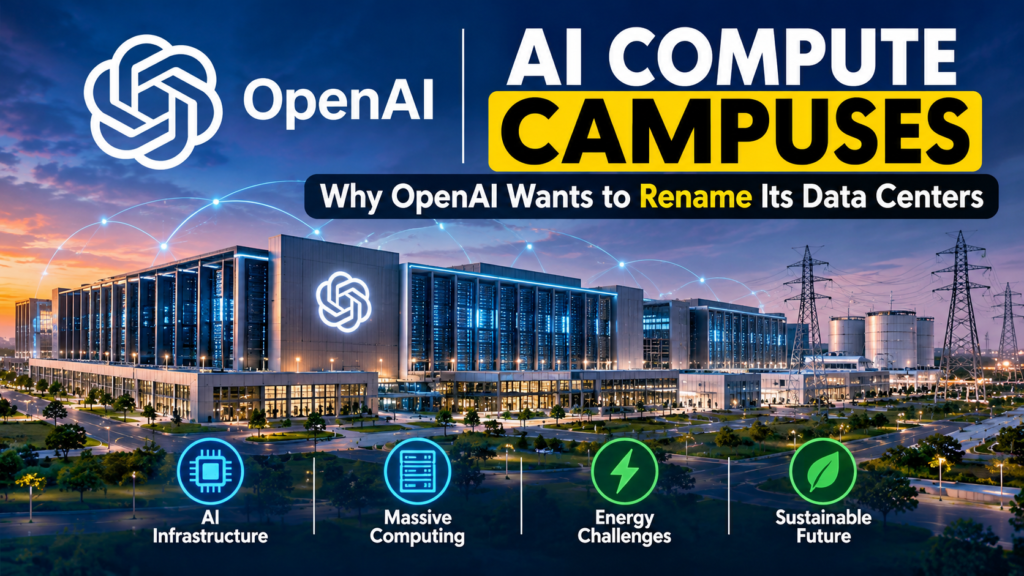
OpenAI is weighing a new name for its data centers: “AI compute campuses.” The label is one piece of a post-midterm public relations and policy push first reported by Axios on November 1, 2026, and it is meant to change how people picture the enormous facilities that power ChatGPT and other AI systems. The rename has not been formally adopted in zoning filings or lobbying disclosures, so for now it is a proposal, not a done deal.
Few phrases in tech carry as much baggage as “data center.” For many communities it now suggests humming warehouses, strained power grids and tax-break negotiations behind closed doors. OpenAI wants a vocabulary that sounds more like investment and research than industrial sprawl. This guide explains what AI compute campuses are, what was actually reported, why the timing matters, and what the shift means for readers, journalists and anyone publishing content that AI search systems will pick up.
What Are AI Compute Campuses?
Definition: What does “AI compute campuses” mean?
AI compute campuses is a proposed term for large facilities, or clusters of facilities, that provide the computing capacity needed to train and run artificial intelligence systems. It is a naming choice, not an engineering standard. No regulator, standards body or industry group has defined it.
Expansion: the phrase swaps the generic word “data” for the more specific “AI compute” and replaces “center” with “campus.” Coverage of the plan suggests that supporters of the term want it to capture more than server halls. In that framing, AI compute campuses include the computing hardware, the dedicated energy systems that feed it, and the skilled workforce that operates it. The word “campus” borrows from university and corporate-park imagery: a place where people work, not just a building where machines run.
Quick comparison: how do AI compute campuses differ from data centers?
By name and framing, not by technology. Nothing in the reporting suggests the racks, chips or cooling systems change. What changes is the story told about them. The table below separates the two framings.
| Feature | “Data center” framing | “AI compute campus” framing |
|---|---|---|
| Public image | Windowless server warehouse | Technology and research hub tied to the local economy |
| Core emphasis | Storing and serving data | Compute for training and running AI models |
| Scale in the conversation | Many enterprise sites run in the tens of megawatts | AI-focused sites are discussed in hundreds of megawatts to gigawatts |
| Main selling points | Reliability, internet infrastructure | Jobs, long-term investment, energy systems, AI progress |
| Technical difference | Baseline | None reported; the change is linguistic |
| Political tone | Associated with community pushback | Designed to sound constructive and place-based |
The scale row is useful context. A conventional enterprise facility is often planned around tens of megawatts, while large AI sites are now described in gigawatt terms. That difference in magnitude is the strongest argument that the old label no longer fits, and it is the argument OpenAI’s allies will likely lean on.AI infrastructure
OpenAI computing infrastructureAI infrastructure
OpenAI computing infrastructure
What Did Axios and TechCrunch Report About the Rebrand?
Short answer: what is OpenAI planning?
OpenAI is preparing a policy and PR campaign to launch right after the November 3, 2026 midterm elections, and rebranding its data centers as AI compute campuses is one element. Axios broke the story on November 1. TechCrunch followed with a report framing the rename as something OpenAI “might” do, a hedge worth preserving because the company is still deciding.
According to follow-up coverage, an OpenAI spokesperson said the new term better reflects the scale and role of the infrastructure being built. Readers should treat that as a company statement about intent, not proof that the label has been adopted across the business.
What proposals sit alongside the rename?
The rename idea was one of several proposals discussed by OpenAI’s chief global affairs officer. Reporting describes the package as follows:
- AI “speed limits”: mandatory safeguards on the most powerful AI systems, to be pushed in Congress.
- Everyday empowerment: finding ways to help people see AI as something that improves their daily lives.
- Global standards: encouraging the United States to take a leading role in developing international AI standards.
- Community say in infrastructure: state-level legislation that would give communities input into how data center projects are built and what benefits they receive.
- The rebrand: calling data centers AI compute campuses.
Notice the mix. Several items are substantive policy positions. One is purely about vocabulary. Judging the plan fairly means separating the two.
When does the campaign start?
Right after Tuesday’s midterm elections, with the lame-duck session of Congress as the first venue. Reports describe an effort to get in step with a Washington that may look very different once votes are counted, with Democrats seen as likely to win back the House and possibly the Senate.
Who Is Chris Lehane, and Why Does His Role Matter?
Chris Lehane is OpenAI’s chief global affairs officer, the executive who leads the company’s policy and public-affairs strategy. He is the person reported to have discussed the proposals, including the AI compute campuses label. That matters because a rename pitched by a political strategist is a different animal from one announced by an engineering team. It signals that the audience is lawmakers, regulators and voters, not chip designers.
Lehane reportedly described the public debate over data centers as healthy, and argued that it has already produced results. One example in the coverage: Amazon and Microsoft have said they will stop using nondisclosure agreements when negotiating with local governments. In other words, the pushback that OpenAI now wants to reframe has already changed corporate behavior.
Why Is OpenAI Rebranding Its Data Centers Now?
Why do the midterms matter?
Because the political ground in Washington may shift, and OpenAI wants its message ready on day one. A new congressional balance can change which AI bills move, which hearings happen and which companies get scrutiny. Launching a coordinated campaign immediately after the election is a way to meet new decision-makers with a prepared story instead of reacting to theirs.
Why does AI data center backlash matter to the company?
Because local opposition can slow or block the projects OpenAI needs. Data center projects face scrutiny over energy consumption, environmental impact and the secrecy that sometimes surrounds early negotiations. When residents or local officials push back, permits stall and power agreements get harder to secure.
Every large AI developer is exposed to this. Training and serving frontier models needs land, grid connections and community consent. A shift in public mood, even a modest one, can turn a routine zoning vote into a fight. That is the practical backdrop to the rebrand: AI data center backlash is a business risk, and language is one of the cheapest tools available to address it.
Why does wording matter in infrastructure debates?
Because names set expectations before facts do. Compare “landfill” with “resource recovery facility,” or “power plant” with “energy campus.” The label a project carries shapes the first reaction of people who hear about it. Developers have long understood this, which is why the rebrand is not surprising, even if it is controversial.
Why Does Scale Matter for OpenAI Data Centers?
How big are OpenAI’s AI facilities?
Large enough that the term “data center” understates them, at least by OpenAI’s logic. Earlier reporting on OpenAI’s site selection described targets of roughly 800 megawatts to 1.2 gigawatts per campus, with a focus on places where significant power would come online in 2026 and 2027. Power availability now influences where AI companies can even build.
That vocabulary gap is real. A facility measured in gigawatts is closer to a heavy industrial site than to the server rooms most people imagine. OpenAI can argue that “AI compute campuses” is more honest about size. Critics can argue that “campus” understates the footprint by sounding gentle. Both points can be true at once.
What is Stargate, and how does it connect to the rename?
Stargate is OpenAI’s umbrella infrastructure initiative, announced in early 2025 with Oracle and SoftBank and tied to a headline figure of $500 billion in AI data center investment. It produced the flagship Abilene, Texas, site and a series of additional campuses announced in several states later in 2025.
Since then, the story has grown more complicated. Reports in 2026 said OpenAI had moved away from building and owning first-party sites and now prefers flexible deals that lease compute, with the company itself describing Stargate as an umbrella for its compute strategy. If that is accurate, OpenAI is less a data center owner than a very large tenant and designer of AI capacity. That context makes the rename more interesting: the company is choosing a new name for facilities it may often lease rather than own.
Will the Rebrand of OpenAI Data Centers Work?
The case for the new name
- Accuracy at scale. Gigawatt-class sites are different in kind from typical enterprise facilities.
- Focus on benefits. The term foregrounds jobs, investment and energy planning, which are the things local officials care about when approving projects.
- A fresh start. A new label lets OpenAI reset conversations that have soured around the old one.
The case against
- Euphemism risk. Observers may read AI compute campuses as spin, especially when the announcement is paired with a PR blitz.
- Substance beats vocabulary. Communities tend to judge projects by water use, power prices, noise and tax terms, not by what the project is called.
- Adoption is uncertain. It remains unclear whether the phrase will travel beyond corporate communications. If journalists and local officials keep saying “data center,” the rebrand stalls.
A fair read is that the name alone will not settle anything. The more consequential piece of the package may be the reported support for state legislation that gives communities a voice, because that addresses the grievance, not just the label.
What Questions Should Communities Ask About New Projects?
Whatever a facility is called, residents and local officials can evaluate it with the same practical questions. A friendlier label does not remove the need for plain answers, and the reported shift away from nondisclosure agreements makes it easier to ask for them. The questions below work for any large AI facility, whether it is called a data center or something else.
- How much power will it draw, and where will that power come from? Ask for peak demand in megawatts and whether new generation or grid upgrades are required.
- Who pays for grid upgrades? Clarify whether costs fall on the developer, the utility or ratepayers.
- How much water will cooling use? Request figures for typical and peak consumption, not just averages.
- What are the tax terms? Look for incentives, abatements and the timeline over which they apply.
- How many permanent jobs will exist after construction ends? Construction employment is temporary, so the long-term number is the one that matters.
- Who is the tenant and who is the owner? As the Stargate shift shows, the company on the sign may not be the company holding the lease or the debt.
- What happens if the project is delayed or cancelled? Ask what commitments survive a change in plans.
Asking these questions is not hostile to the industry. It is how communities turn a marketing term into a binding set of commitments, which is also what OpenAI’s reported support for community-say legislation would formalize.
What Does This Mean for Content Creators and AI Search?
It means two terms now point at the same thing, and AI retrieval systems will see both. When a topic gets renamed mid-conversation, assistants and search engines pull from sources that use the old phrase, the new phrase, or both. Content that bridges the gap is more likely to be retrieved and cited.
For publishers, a practical checklist:
- Define the new term early. Put a one-sentence definition of AI compute campuses near the top, in plain language.
- Name the old term alongside it. Say “data centers” in the same passage so retrieval systems can connect the two.
- Attribute carefully. Credit Axios for the original report and note that OpenAI “might” adopt the label, not that it has.
- Keep sections self-contained. AI systems often pull passages independently, so each heading should answer its own question.
- Update as facts change. If OpenAI files the term in official documents or drops it, revise the page.
This pattern, where corporate language shifts and the web has to catch up, will repeat. The sites that explain both the term and the debate behind it tend to be the ones that get quoted.
What Should You Watch Next?
Four signals will show whether the new term becomes a real category or a passing PR experiment.
- Official usage: whether OpenAI uses the term in zoning filings and federal lobbying disclosures, or keeps it in marketing materials.
- Media adoption: whether major outlets use the phrase without quotation marks or scare quotes.
- Policy follow-through: whether the lame-duck push on AI safeguards and community-say legislation materializes.
- Industry response: whether Microsoft, Google, Amazon and other builders adopt similar language or distance themselves from it.
Frequently Asked Questions
What are AI compute campuses?
AI compute campuses are what OpenAI may call its data centers. The term describes large facilities that supply computing power for AI, framed to include energy systems and skilled jobs.
Has OpenAI officially renamed its data centers?
No. Reports describe the rename as something OpenAI is considering. A spokesperson said the term better reflects the infrastructure’s scale and role, but no formal, company-wide change has been confirmed.
Why does OpenAI want to rebrand its data centers?
To reshape public perception during a period of growing scrutiny. The company faces pushback over energy use and environmental impact, and wants the facilities associated with investment, jobs and AI progress.
Are AI compute campuses technically different from data centers?
Nothing in the reporting says so. The difference is in framing and, arguably, scale: the facilities in question are far larger than typical enterprise sites.
Who announced the plan?
Axios reported it first, on November 1, 2026, and TechCrunch followed. The proposals were discussed by OpenAI’s chief global affairs officer, Chris Lehane.
When will the rebrand begin?
Reportedly right after the November 3, 2026 midterm elections, as part of a broader policy and PR campaign beginning in the lame-duck session.
Does the rename change anything about energy use?
No. A new label does not change power demand, water use or grid impact. Those remain the issues communities weigh.
The Bottom Line
AI compute campuses is OpenAI’s proposed answer to a branding problem that is really a trust problem. The scale argument is genuine: gigawatt-class AI facilities are not the server rooms of the past. But names do not resolve concerns about power, water and transparency. Whether the term sticks will depend on how OpenAI backs it up with community-facing commitments, and on whether the press, regulators and residents choose to use it.
For readers and publishers, the safest approach for now is to describe the proposal precisely, use both terms, and keep watching what happens after Tuesday.
AI କମ୍ପ୍ୟୁଟ୍ କ୍ୟାମ୍ପସ୍ (AI Compute Campuses): OpenAI କାହିଁକି ନିଜର ‘ଡାଟା ସେଣ୍ଟର’ଗୁଡ଼ିକର ନାମ ବଦଳାଇବାକୁ ଚାହୁଁଛି?
OpenAI ନିଜର ‘ଡାଟା ସେଣ୍ଟର’ (data centers) ପାଇଁ ଏକ ନୂତନ ନାମ ବିଚାର କରୁଛି: “AI କମ୍ପ୍ୟୁଟ୍ କ୍ୟାମ୍ପସ୍” (AI compute campuses)। ଏହି ନାମକରଣଟି ଏକ ବ୍ୟାପକ ଜନସମ୍ପର୍କ ଏବଂ ନୀତିଗତ ପ୍ରୟାସର ଅଂଶ, ଯାହା ବିଷୟରେ ପ୍ରଥମେ ୧ ନଭେମ୍ବର, 2026 ରେ ‘Axios’ ଖବର ପ୍ରକାଶ କରିଥିଲା।
ଏହାର ଉଦ୍ଦେଶ୍ୟ ହେଉଛି, ChatGPT ଏବଂ ଅନ୍ୟାନ୍ୟ AI ସିଷ୍ଟମକୁ ପରିଚାଳିତ କରୁଥିବା ବିଶାଳ କେନ୍ଦ୍ରଗୁଡ଼ିକ ବିଷୟରେ ଲୋକଙ୍କ ଧାରଣା ବଦଳାଇବା। ବର୍ତ୍ତମାନ ପର୍ଯ୍ୟନ୍ତ ଏହି ନାମକୁ ସରକାରୀ ଦସ୍ତାବିଜ (ଯେପରିକି ଜୋନିଂ ଫାଇଲିଂ) କିମ୍ବା ଆନୁଷ୍ଠାନିକ ଘୋଷଣାନାମାରେ ଅନ୍ତର୍ଭୁକ୍ତ କରାଯାଇନାହିଁ; ତେଣୁ ଏହା କେବଳ ଏକ ପ୍ରସ୍ତାବ, ଚୂଡ଼ାନ୍ତ ନିଷ୍ପତ୍ତି ନୁହେଁ।
ପ୍ରଯୁକ୍ତିବିଦ୍ୟା କ୍ଷେତ୍ରରେ “ଡାଟା ସେଣ୍ଟର” ଶବ୍ଦଟି ଅନେକ ବିଭିନ୍ନ ଅର୍ଥ ବା ଧାରଣା ବହନ କରେ। ଅନେକ ସ୍ଥାନୀୟ ସମ୍ପ୍ରଦାୟ ପାଇଁ ଏହାର ଅର୍ଥ ହେଉଛି—ବଡ଼ ବଡ଼ କୋଠା ଯେଉଁଠାରୁ ଶବ୍ଦ ଆସେ (ଯନ୍ତ୍ରପାତି ଚାଲିବା କାରଣରୁ), ବିଦ୍ୟୁତ୍ ଗ୍ରୀଡ୍ ଉପରେ ଅତ୍ୟଧିକ ଚାପ ପଡ଼ିବା ଏବଂ ବନ୍ଦ କବାଟ ପଛରେ ଟିକସ ଛାଡ଼ (tax-break) ପାଇଁ ଚାଲିଥିବା ବୁଝାମଣା। OpenAI ଏପରି ଏକ ଶବ୍ଦାବଳୀ ଚାହୁଁଛି ଯାହା ଶିଳ୍ପଗତ ବିସ୍ତାର ଅପେକ୍ଷା ନିବେଶ ଏବଂ ଗବେଷଣା ସହିତ ଅଧିକ ଜଡ଼ିତ ବୋଲି ମନେହେବ।
ଏହି ଲେଖାରେ ଆମେ ଜାଣିବା ଯେ “AI କମ୍ପ୍ୟୁଟ୍ କ୍ୟାମ୍ପସ୍” କ’ଣ, ଏ ବିଷୟରେ ପ୍ରକୃତରେ କ’ଣ ଖବର ଆସିଛି, ଏହି ସମୟରେ ଏଭଳି ନାମକରଣର ଗୁରୁତ୍ୱ କ’ଣ, ଏବଂ ଏହି ପରିବର୍ତ୍ତନ ପାଠକ, ସାମ୍ବାଦିକ ତଥା ଯେଉଁମାନେ ଅନ୍ଲାଇନ୍ରେ ବିଷୟବସ୍ତୁ (content) ପ୍ରକାଶ କରନ୍ତି—ଯାହାକୁ AI ସର୍ଚ୍ଚ ସିଷ୍ଟମଗୁଡ଼ିକ ଗ୍ରହଣ କରିପାରେ—ସେମାନଙ୍କ ପାଇଁ କ’ଣ ଅର୍ଥ ରଖେ।
“AI କମ୍ପ୍ୟୁଟ୍ କ୍ୟାମ୍ପସ୍” କ’ଣ?
ସଂଜ୍ଞା: “AI କମ୍ପ୍ୟୁଟ୍ କ୍ୟାମ୍ପସ୍”ର ଅର୍ଥ କ’ଣ?
“AI କମ୍ପ୍ୟୁଟ୍ କ୍ୟାମ୍ପସ୍” ହେଉଛି ଏକ ପ୍ରସ୍ତାବିତ ଶବ୍ଦ, ଯାହା ବଡ଼ ବଡ଼ କେନ୍ଦ୍ର କିମ୍ବା ଏକାଧିକ କେନ୍ଦ୍ରର ସମୂହକୁ ବୁଝାଏ। ଏଗୁଡ଼ିକ କୃତ୍ରିମ ବୁଦ୍ଧିମତ୍ତା ବୈଶିଷ୍ଟ୍ୟ | “ଡାଟା ସେଣ୍ଟର” (Data center) ଭାବେ ବର୍ଣ୍ଣନା | “AI କମ୍ପ୍ୟୁଟ୍ କ୍ୟାମ୍ପସ୍” (AI compute campus) ଭାବେ ବର୍ଣ୍ଣନା
ସର୍ବସାଧାରଣ ଧାରଣା | ଝରକାହୀନ ସର୍ଭର ଗୋଦାମ | ସ୍ଥାନୀୟ ଅର୍ଥନୀତି ସହ ଜଡ଼ିତ ପ୍ରଯୁକ୍ତିବିଦ୍ୟା ଓ ଗବେଷଣା କେନ୍ଦ୍ର
ମୁଖ୍ୟ ଲକ୍ଷ୍ୟ | ତଥ୍ୟ (ଡାଟା) ସଂରକ୍ଷଣ ଏବଂ ଯୋଗାଣ | AI ମଡେଲଗୁଡ଼ିକୁ ପ୍ରଶିକ୍ଷଣ ଦେବା ଏବଂ ଚଳାଇବା ପାଇଁ କମ୍ପ୍ୟୁଟେସନାଲ୍ କ୍ଷମତା
ଆଲୋଚନାରେ ପରିମାଣ/ସ୍ତର | ଅନେକ ବ୍ୟବସାୟିକ କେନ୍ଦ୍ର ଦଶଗୁଡ଼ିକ ମେଗାୱାଟ୍ (tens of megawatts) କ୍ଷମତାରେ ଚାଲେ | AI-କେନ୍ଦ୍ରିତ କେନ୍ଦ୍ରଗୁଡ଼ିକ ଶହ ଶହ ମେଗାୱାଟ୍ରୁ ଗିଗାୱାଟ୍ (gigawatts) ପର୍ଯ୍ୟନ୍ତ କ୍ଷମତା ବିଶିଷ୍ଟ ହୋଇଥାଏ
ମୁଖ୍ୟ ଆକର୍ଷଣ | ନିର୍ଭରଯୋଗ୍ୟତା, ଇଣ୍ଟରନେଟ୍ ଭିତ୍ତିଭୂମି | ନିଯୁକ୍ତି, ଦୀର୍ଘକାଳୀନ ନିବେଶ, ଶକ୍ତି ବ୍ୟବସ୍ଥା, AI କ୍ଷେତ୍ରରେ ଅଗ୍ରଗତି
ଯାନ୍ତ୍ରିକ ପାର୍ଥକ୍ୟ | ମୂଳ ଆଧାର | କୌଣସି ପାର୍ଥକ୍ୟ ନାହିଁ; ଏହି ପରିବର୍ତ୍ତନ କେବଳ ଶବ୍ଦଗତ ଅଟେ
ରାଜନୈତିକ ଦୃଷ୍ଟିକୋଣ | ସ୍ଥାନୀୟ ସମ୍ପ୍ରଦାୟର ବିରୋଧ ସହ ଜଡ଼ିତ | ଏକ ସକାରାତ୍ମକ ଏବଂ ସ୍ଥାନ-ଭିତ୍ତିକ (ସ୍ଥାନୀୟ ବିକାଶ ସହ ଜଡ଼ିତ) ଧାରଣା ଦେବା ପାଇଁ ଉଦ୍ଦିଷ୍ଟ
ପରିମାଣ ବା କ୍ଷମତାର ସ୍ତର ସମ୍ବନ୍ଧୀୟ ତଥ୍ୟ ଏକ ଗୁରୁତ୍ୱପୂର୍ଣ୍ଣ ପ୍ରସଙ୍ଗ ଅଟେ। ଏକ ସାଧାରଣ ବ୍ୟବସାୟିକ କେନ୍ଦ୍ର ସାଧାରଣତଃ ଦଶଗୁଡ଼ିକ ମେଗାୱାଟ୍ କ୍ଷମତା ପାଇଁ ଯୋଜନା କରାଯାଇଥାଏ, ଯେତେବେଳେ କି ବଡ଼ AI କେନ୍ଦ୍ରଗୁଡ଼ିକୁ ବର୍ତ୍ତମାନ ଗିଗାୱାଟ୍ (gigawatt) ସ୍ତରରେ ବର୍ଣ୍ଣନା କରାଯାଉଛି। କ୍ଷମତାର ଏହି ବିଶାଳ ପାର୍ଥକ୍ୟ ହିଁ ସବୁଠାରୁ ବଡ଼ ଯୁକ୍ତି ଯେ, ପୁରୁଣା ନାମକରଣ (“ଡାଟା ସେଣ୍ଟର”) ଆଉ ଉପଯୁକ୍ତ ନୁହେଁ; ଏବଂ OpenAI-ର ସମର୍ଥକମାନେ ସମ୍ଭବତଃ ଏହି ଯୁକ୍ତି ଉପରେ ହିଁ ଗୁରୁତ୍ୱ ଦେବେ।
ଏହି ନାମ ପରିବର୍ତ୍ତନ (Rebrand) ବିଷୟରେ Axios ଏବଂ TechCrunch କ’ଣ ରିପୋର୍ଟ କରିଛନ୍ତି?
ସଂକ୍ଷିପ୍ତ ଉତ୍ତର: OpenAI କ’ଣ ଯୋଜନା କରୁଛି?
OpenAI ୨୦୨୬ ନଭେମ୍ବର ୩ ତାରିଖରେ ହେବାକୁ ଥିବା ମଧ୍ୟବର୍ତ୍ତୀକାଳୀନ ନିର୍ବାଚନ (midterm elections) ପରେ ଏକ ନୀତିଗତ ଏବଂ ଜନସମ୍ପର୍କ (PR) ଅଭ ଭିତ୍ତିଭୂମିରେ ସମ୍ପ୍ରଦାୟର ମତ: ରାଜ୍ୟସ୍ତରୀୟ ଆଇନ ଯାହା ସମ୍ପ୍ରଦାୟଗୁଡ଼ିକୁ ଡାଟା ସେଣ୍ଟର ପ୍ରକଳ୍ପଗୁଡ଼ିକ କିପରି ନିର୍ମାଣ କରାଯାଏ ଏବଂ ସେମାନେ କ’ଣ ଲାଭ ପାଆନ୍ତି ସେ ବିଷୟରେ ମତାମତ ଦେବ।
ପୁନଃବ୍ରାଣ୍ଡ: ଡାଟା ସେଣ୍ଟରଗୁଡ଼ିକୁ AI କମ୍ପ୍ୟୁଟ୍ କ୍ୟାମ୍ପସ୍ ଡାକିବା।
ମିଶ୍ରଣକୁ ଧ୍ୟାନ ଦିଅନ୍ତୁ। ଅନେକ ଜିନିଷ ହେଉଛି ମୂଳ ନୀତି ସ୍ଥିତି। ଗୋଟିଏ ସମ୍ପୂର୍ଣ୍ଣ ଭାବରେ ଶବ୍ଦାବଳୀ ବିଷୟରେ। ଯୋଜନାକୁ ନ୍ୟାୟସଙ୍ଗତ ଭାବରେ ବିଚାର କରିବା ଅର୍ଥ ଦୁଇଟିକୁ ପୃଥକ କରିବା।
ଅଭିଯାନ କେବେ ଆରମ୍ଭ ହୁଏ?
ମଙ୍ଗଳବାରର ମଧ୍ୟବର୍ତ୍ତୀକାଳୀନ ନିର୍ବାଚନ ପରେ, କଂଗ୍ରେସର ଲଙ୍ଗଳା ଅଧିବେଶନ ପ୍ରଥମ ସ୍ଥାନ ଭାବରେ। ରିପୋର୍ଟଗୁଡ଼ିକ ୱାଶିଂଟନ ସହିତ ପାଦ ମିଳାଇବା ପାଇଁ ଏକ ପ୍ରୟାସ ବର୍ଣ୍ଣନା କରେ ଯାହା ଭୋଟ ଗଣନା ପରେ ବହୁତ ଭିନ୍ନ ଦେଖାଯାଇପାରେ,ଡେମୋକ୍ରାଟ୍ମାନେ ‘ହାଉସ୍’ (ପ୍ରତିନିଧି ସଭା) ଏବଂ ସମ୍ଭବତଃ ‘ସିନେଟ୍’ (ଉଚ୍ଚ ସଦନ) ଉପରେ ପୁନର୍ବାର ନିୟନ୍ତ୍ରଣ ହାସଲ କରିପାରନ୍ତି ବୋଲି ଆଶା କରାଯାଉଛି।
କ୍ରିସ୍ ଲେହେନ୍ (Chris Lehane) କିଏ ଏବଂ ତାଙ୍କ ଭୂମିକା କାହିଁକି ଗୁରୁତ୍ୱପୂର୍ଣ୍ଣ?
କ୍ରିସ୍ ଲେହେନ୍ ହେଉଛନ୍ତି OpenAI ର ‘ଚିଫ୍ ଗ୍ଲୋବାଲ୍ ଆଫେୟାର୍ସ ଅଫିସର’ (ମୁଖ୍ୟ ବିଶ୍ୱ ବ୍ୟାପାର ଅଧିକାରୀ); ସେ କମ୍ପାନୀର ନୀତି ଏବଂ ସର୍ବସାଧାରଣ ବ୍ୟାପାର ରଣନୀତିର ନେତୃତ୍ୱ ନିଅନ୍ତି। କୁହାଯାଉଛି ଯେ, ‘AI କମ୍ପ୍ୟୁଟ୍ କ୍ୟାମ୍ପସ୍’ (AI compute campuses) ଭଳି ନାମକରଣ ପ୍ରସ୍ତାବ ଉପରେ ସେ ଆଲୋଚନା କରିଥିଲେ। ଏହା ଗୁରୁତ୍ୱପୂର୍ଣ୍ଣ କାରଣ, ଜଣେ ରାଜନୈତିକ ରଣନୀତିଜ୍ଞଙ୍କ ଦ୍ୱାରା ପ୍ରସ୍ତାବିତ ନାମ ପରିବର୍ତ୍ତନ, ଏବଂ ଏକ ଇଞ୍ଜିନିୟରିଂ ଟିମ୍ ଦ୍ୱାରା ଘୋଷିତ ନାମ ମଧ୍ୟରେ ବହୁତ ପାର୍ଥକ୍ୟ ଥାଏ। ଏହା ସୂଚିତ କରେ ଯେ ଏଠାରେ ଲକ୍ଷ୍ୟ ହେଉଛନ୍ତି ନିର୍ଣ୍ଣାୟକ ବ୍ୟକ୍ତି ଯେପରିକି ଆଇନ ପ୍ରଣେତା, ନିୟାମକ ଏବଂ ଭୋଟର; ଚିପ୍ ଡିଜାଇନର୍ମାନେ ନୁହନ୍ତି।
ଖବର ଅନୁଯାୟୀ, ଲେହେନ୍ ଡାଟା ସେଣ୍ଟରଗୁଡ଼ିକ ଉପରେ ଚାଲିଥିବା ସର୍ବସାଧାରଣ ଆଲୋଚନାକୁ ଏକ ସକାରାତ୍ମକ ବିଷୟ ବୋଲି ବର୍ଣ୍ଣନା କରିଛନ୍ତି ଏବଂ ଯୁକ୍ତି ଦର୍ଶାଇଛନ୍ତି ଯେ ଏହାର ଫଳାଫଳ ମଧ୍ୟ ମିଳିସାରିଛି। ଏହାର ଏକ ଉଦାହରଣ ହେଉଛି: ଆମାଜନ୍ (Amazon) ଏବଂ ମାଇକ୍ରୋସଫ୍ଟ (Microsoft) ଘୋଷଣା କରିଛନ୍ତି ଯେ ସ୍ଥାନୀୟ ସରକାରଙ୍କ ସହ ଆଲୋଚନା କରିବା ସମୟରେ ସେମାନେ ଆଉ ‘ଗୋପନୀୟତା ଚୁକ୍ତିନାମା’ (nondisclosure agreements) ବ୍ୟବହାର କରିବେ ନାହିଁ। ଅନ୍ୟ ଅର୍ଥରେ କହିଲେ, OpenAI ଯେଉଁ ବିରୋଧକୁ ଏକ ନୂଆ ରୂପ ଦେବାକୁ ଚାହୁଁଛି, ତାହା ପୂର୍ବରୁ ହିଁ କର୍ପୋରେଟ୍ ଆଚରଣରେ ପରିବର୍ତ୍ତନ ଆଣିସାରିଛି।
OpenAI କାହିଁକି ବର୍ତ୍ତମାନ ନିଜର ଡାଟା ସେଣ୍ଟରଗୁଡ଼ିକର ନାମକରଣ ବଦଳାଉଛି (rebranding)?
‘ମିଡ୍ଟର୍ମ’ (ମଧ୍ୟବର୍ତ୍ତୀକାଳୀନ) ନିର୍ବାଚନ କାହିଁକି ଗୁରୁତ୍ୱପୂର୍ଣ୍ଣ?
କାରଣ ୱାଶିଂଟନ୍ରେ ରାଜନୈତିକ ପରିସ୍ଥିତି ବଦଳିପାରେ, ଏବଂ OpenAI ଚାହେଁ ଯେ ଆରମ୍ଭରୁ ହିଁ ସେମାନଙ୍କର ବାର୍ତ୍ତା ପ୍ରସ୍ତୁତ ରହୁ। କଂଗ୍ରେସରେ ଶକ୍ତି ସନ୍ତୁଳନ ବଦଳିଲେ, କେଉଁ AI ସମ୍ବନ୍ଧୀୟ ବିଲ “ଲ୍ୟାଣ୍ଡଫିଲ୍” (ଆବର୍ଜନା ପକାଯାଉଥିବା ସ୍ଥାନ) କୁ “ସମ୍ବଳ ପୁନରୁଦ୍ଧାର କେନ୍ଦ୍ର” ସହିତ, କିମ୍ବା “ବିଦ୍ୟୁତ୍ କେନ୍ଦ୍ର” (power plant) କୁ “ଶକ୍ତି କ୍ୟାମ୍ପସ୍” (energy campus) ସହିତ ତୁଳନା କରି ଦେଖନ୍ତୁ। କୌଣସି ପ୍ରକଳ୍ପକୁ କେଉଁ ନାମରେ ନାମିତ କରାଯାଏ, ତାହା ତାହା ବିଷୟରେ ଶୁଣୁଥିବା ଲୋକଙ୍କ ପ୍ରଥମ ପ୍ରତିକ୍ରିୟାକୁ ପ୍ରଭାବିତ କରିଥାଏ। ବିକାଶକାରୀମାନେ (developers) ଏହା ବହୁ ଆଗରୁ ବୁଝିସାରିଛନ୍ତି; ତେଣୁ ଏହି ନାମ ପରିବର୍ତ୍ତନ (rebrand) ଆଶ୍ଚର୍ଯ୍ୟଜନକ ନୁହେଁ, ଯଦିଓ ଏହାକୁ ନେଇ ବିବାଦ ଦେଖାଦେଇପାରେ।
OpenAI ର ଡାଟା ସେଣ୍ଟରଗୁଡ଼ିକ ପାଇଁ ‘ଆକାର’ (scale) କାହିଁକି ଗୁରୁତ୍ୱପୂର୍ଣ୍ଣ?
OpenAI ର AI କେନ୍ଦ୍ରଗୁଡ଼ିକ କେତେ ବିଶାଳ?
ଏଗୁଡ଼ିକ ଏତେ ବିଶାଳ ଯେ “ଡାଟା ସେଣ୍ଟର” ଶବ୍ଦଟି ଏହାର ପ୍ରକୃତ ଆକାରକୁ ଠିକ୍ ଭାବରେ ବର୍ଣ୍ଣନା କରିପାରେ ନାହିଁ — ଅନ୍ତତଃ OpenAI ର ଦୃଷ୍ଟିକୋଣରୁ। OpenAI ର ସ୍ଥାନ ଚୟନ ସମ୍ବନ୍ଧୀୟ ପୂର୍ବ ରିପୋର୍ଟଗୁଡ଼ିକ ଅନୁଯାୟୀ, ପ୍ରତ୍ୟେକ କ୍ୟାମ୍ପସ୍ ପାଇଁ ପ୍ରାୟ ୮୦୦ ମେଗାୱାଟରୁ ୧.୨ ଗିଗାୱାଟ ବିଦ୍ୟୁତ୍ ଶକ୍ତିର ଆବଶ୍ୟକତା ରହିଛି। ଏଥିପାଇଁ ଏପରି ସ୍ଥାନଗୁଡ଼ିକୁ ଗୁରୁତ୍ୱ ଦିଆଯାଉଛି, ଯେଉଁଠାରେ ୨୦୨୬ ଏବଂ ୨୦୨୭ ମସିହାରେ ବହୁଳ ପରିମାଣର ବିଦ୍ୟୁତ୍ ଉପଲବ୍ଧ ହେବ। ବର୍ତ୍ତମାନ ବିଦ୍ୟୁତ୍ ଉପଲବ୍ଧତା ଉପରେ ହିଁ ନିର୍ଭର କରୁଛି ଯେ AI କମ୍ପାନୀଗୁଡ଼ିକ କେଉଁଠାରେ ନିଜର କେନ୍ଦ୍ର ନିର୍ମାଣ କରିପାରିବେ।
ଶବ୍ଦାବଳୀର ଏହି ପାର୍ଥକ୍ୟ ବାସ୍ତବ ଅଟେ। ଗିଗାୱାଟ୍ରେ ମପାଯାଉଥିବା ଏକ କେନ୍ଦ୍ର, ସାଧାରଣ ଲୋକଙ୍କ କଳ୍ପନାରେ ଥିବା ‘ସର୍ଭର ରୁମ୍’ ଅପେକ୍ଷା ଏକ ‘ବୃହତ ଶିଳ୍ପ କ୍ଷେତ୍ର’ (heavy industrial site) ସହିତ ଅଧିକ ସାମଞ୍ଜସ୍ୟ ରଖେ। OpenAI ଯୁକ୍ତି କରିପାରେ ଯେ “AI କମ୍ପ୍ୟୁଟ୍ କ୍ୟାମ୍ପସ୍” (AI compute campuses) ଶବ୍ଦଟି ଏହାର ଆକାରକୁ ଅଧିକ ସଠିକ୍ ଭାବରେ ବର୍ଣ୍ଣନା କରେ। ଅନ୍ୟପକ୍ଷରେ, ସମାଲୋଚକମାନେ କହିପାରନ୍ତି ଯେ “କ୍ୟାମ୍ପସ୍” ଶବ୍ଦଟି ଏକ ସୌମ୍ୟ ବା ନରମ ଶବ୍ଦ ହୋଇଥିବାରୁ, ଏହା ପ୍ରକୃତ ବିଶାଳତାକୁ ଲୁଚାଇ ଦେଉଛି। ଏହି ଉଭୟ ମତ ସତ୍ୟ ହୋଇପାରେ।
‘ଷ୍ଟାରଗେଟ୍’ (Stargate) କ’ଣ ଏବଂ ଏହି ନାମ ପରିବର୍ତ୍ତନ ସହିତ ଏହାର ସମ୍ପର୍କ କ’ଣ? ନୂତନ ନାମ ପାଇଁ ମାମଲା
ସ୍ତରରେ ସଠିକତା। ଗିଗାୱାଟ୍-ଶ୍ରେଣୀର ସ୍ଥାନଗୁଡ଼ିକ ସାଧାରଣ ଉଦ୍ୟୋଗ ସୁବିଧାଠାରୁ ପ୍ରକାରଭେଦରେ ଭିନ୍ନ।
ଲାଭ ଉପରେ ଧ୍ୟାନ ଦିଅନ୍ତୁ। ଏହି ଶବ୍ଦଟି ଚାକିରି, ନିବେଶ ଏବଂ ଶକ୍ତି ଯୋଜନାକୁ ସମ୍ବୋଧିତ କରେ, ଯାହା ପ୍ରକଳ୍ପଗୁଡ଼ିକୁ ଅନୁମୋଦନ କରିବା ସମୟରେ ସ୍ଥାନୀୟ ଅଧିକାରୀମାନେ ଯତ୍ନ ନିଅନ୍ତି।
ଏକ ନୂତନ ଆରମ୍ଭ। ଏକ ନୂତନ ଲେବଲ୍ OpenAI କୁ ପୁରୁଣା ବିଷୟରେ ଖରାପ ହୋଇଥିବା କଥାବାର୍ତ୍ତାଗୁଡ଼ିକୁ ପୁନଃସେଟ୍ କରିବାକୁ ଦିଏ।
ୟୁଫେମିଜ୍ ବିପଦ ବିରୁଦ୍ଧରେ ମାମଲା। ପର୍ଯ୍ୟବେକ୍ଷକମାନେ AI କମ୍ପ୍ୟୁଟ୍ କ୍ୟାମ୍ପସକୁ ସ୍ପିନ୍ ଭାବରେ ପଢ଼ିପାରନ୍ତି, ବିଶେଷକରି ଯେତେବେଳେ ଘୋଷଣାକୁ PR ବ୍ଲିଟ୍ଜ ସହିତ ଯୋଡା ଯାଇଥାଏ।
ପଦାର୍ଥ ଶବ୍ଦକୋଷକୁ ପରାସ୍ତ କରେ। ସମ୍ପ୍ରଦାୟଗୁଡ଼ିକ ପ୍ରକଳ୍ପଗୁଡ଼ିକୁ ଜଳ ବ୍ୟବହାର, ବିଦ୍ୟୁତ୍ ମୂଲ୍ୟ, ଶବ୍ଦ ଏବଂ କର ଶବ୍ଦ ଦ୍ୱାରା ବିଚାର କରନ୍ତି, ପ୍ରକଳ୍ପକୁ କ’ଣ କୁହାଯାଏ ତାହା ଦ୍ୱାରା ନୁହେଁ।
ଗ୍ରହଣ ଅନିଶ୍ଚିତ। ଏହା ସ୍ପଷ୍ଟ ନୁହେଁ ଯେ ଏହି ବାକ୍ୟାଂଶ କର୍ପୋରେଟ୍ ଯୋଗାଯୋଗ ବାହାରେ ଯାତ୍ରା କରିବ କି ନାହିଁ। ଯଦି ସାମ୍ବାଦିକ ଏବଂ ସ୍ଥାନୀୟ ଅଧିକାରୀମାନେ କ୍ରମାଗତ ଭାବରେ “ଡାଟା ସେଣ୍ଟର” (data center) ଶବ୍ଦ ବ୍ୟବହାର କରିଚାଲନ୍ତି, ତେବେ ଏହି ନାମ ପରିବର୍ତ୍ତନ ପ୍ରକ୍ରିୟା ବାଧାପ୍ରାପ୍ତ ହେବ।
ବାସ୍ତବରେ, କେବଳ ଏକ ନାମ ବଦଳାଇ ଦେଲେ କୌଣସି ସମସ୍ୟାର ସମାଧାନ ହେବ ନାହିଁ। ଏହି ପରିବର୍ତ୍ତନର ଅଧିକ ଗୁରୁତ୍ୱପୂର୍ଣ୍ଣ ଦିଗ ହେଉଛି ସ୍ଥାନୀୟ ସମ୍ପ୍ରଦାୟକୁ ନିଜ ମତ ରଖିବାର ଅଧିକାର ଦେଉଥିବା ରାଜ୍ୟ ଆଇନକୁ ମିଳୁଥିବା ସମର୍ଥନ; କାରଣ ଏହା କେବଳ ନାମ ବଦଳାଇବା ବଦଳରେ, ପ୍ରକୃତ ଅଭିଯୋଗ କିମ୍ବା ସମସ୍ୟାର ସମାଧାନ କରିଥାଏ।
ନୂତନ ପ୍ରକଳ୍ପଗୁଡ଼ିକ ବିଷୟରେ ସ୍ଥାନୀୟ ସମ୍ପ୍ରଦାୟ କେଉଁ ପ୍ରଶ୍ନଗୁଡ଼ିକ ପଚାରିବା ଉଚିତ୍?
ଏକ ପ୍ରତିଷ୍ଠାନକୁ ଯେକୌଣସି ନାମରେ ଡକାଯାଉ ପଛେ, ସ୍ଥାନୀୟ ବାସିନ୍ଦା ଏବଂ ଅଧିକାରୀମାନେ କିଛି ବ୍ୟାବହାରିକ ପ୍ରଶ୍ନ ମାଧ୍ୟମରେ ଏହାର ମୂଲ୍ୟାଙ୍କନ କରିପାରିବେ। ଏକ ଆକର୍ଷଣୀୟ ନାମ ଥିଲେ ମଧ୍ୟ ସ୍ପଷ୍ଟ ଉତ୍ତର ପାଇବାର ଆବଶ୍ୟକତା କମିଯାଏ ନାହିଁ। ବର୍ତ୍ତମାନ ‘ଗୋପନୀୟତା ଚୁକ୍ତିନାମା’ (nondisclosure agreements) ରୁ ଦୂରେଇ ଯିବାର ଯେଉଁ ଖବର ମିଳୁଛି, ତାହା ସ୍ପଷ୍ଟ ଉତ୍ତର ମାଗିବାକୁ ଅଧିକ ସହଜ କରିଦେଇଛି। ନିମ୍ନଲିଖିତ ପ୍ରଶ୍ନଗୁଡ଼ିକ ଯେକୌଣସି ବଡ଼ AI (କୃତ୍ରିମ ବୁଦ୍ଧିମତ୍ତା) ପ୍ରତିଷ୍ଠାନ ପାଇଁ ପ୍ରଯୁଜ୍ୟ, ତାହାକୁ ‘ଡାଟା ସେଣ୍ଟର’ କୁହାଯାଉ କିମ୍ବା ଅନ୍ୟ କିଛି।
ଏହା କେତେ ପରିମାଣର ବିଦ୍ୟୁତ୍ ଶକ୍ତି ବ୍ୟବହାର କରିବ ଏବଂ ଏହି ବିଦ୍ୟୁତ୍ କେଉଁଠାରୁ ଆସିବ? ସର୍ବାଧିକ ଚାହିଦା (peak demand) କେତେ ମେଗାୱାଟ ହେବ ଏବଂ ଏଥିପାଇଁ ନୂତନ ବିଦ୍ୟୁତ୍ ଉତ୍ପାଦନ କିମ୍ବା ବିଦ୍ୟୁତ୍ ଗ୍ରୀଡ୍ର ଉନ୍ନତିକରଣ ଆବଶ୍ୟକ କି ନାହିଁ, ତାହା ପଚାରନ୍ତୁ।
ଗ୍ରୀଡ୍ ଉନ୍ନତିକରଣ ପାଇଁ ଖର୍ଚ୍ଚ କିଏ ବହନ କରିବ? ଏହି ଖର୍ଚ୍ଚ କ’ଣ ପ୍ରକଳ୍ପ ବିକାଶକାରୀ (developer), ବିଦ୍ୟୁତ୍ ଯୋଗାଣକାରୀ ସଂସ୍ଥା, ନା ଉପଭୋକ୍ତାମାନଙ୍କ ଉପରେ ପଡ଼ିବ, ତାହା ସ୍ପଷ୍ଟ କରନ୍ତୁ।
ଉପକରଣଗୁଡ଼ିକୁ ଥଣ୍ଡା ରଖିବା (cooling) ପାଇଁ କେତେ ପରିମାଣର ପାଣି ବ୍ୟବହାର ହେବ? କେବଳ ହାରାହାରି ପରିମାଣ ନୁହେଁ, ବରଂ ସାଧାରଣ ସମୟ ଏବଂ ସର୍ବାଧିକ ଚାହିଦା ଥିବା ସମୟରେ କେତେ ପାଣ ଯେଉଁ ବିଷୟବସ୍ତୁ ବିଭିନ୍ନ ଧାରଣା ମଧ୍ୟରେ ଥିବା ବ୍ୟବଧାନକୁ ଦୂର କରେ, ତାହା ଅଧିକ ସହଜରେ ଖୋଜି ପାଇହୁଏ ଏବଂ ଅନ୍ୟମାନେ ଏହାକୁ ଉଦ୍ଧୃତ କରିବାର ସମ୍ଭାବନା ମଧ୍ୟ ଅଧିକ ଥାଏ।
ପ୍ରକାଶକମାନଙ୍କ ପାଇଁ ଏକ ବ୍ୟାବହାରିକ ଯାଞ୍ଚ ତାଲିକା (Checklist):
ନୂତନ ଶବ୍ଦକୁ ଆରମ୍ଭରୁ ହିଁ ସ୍ପଷ୍ଟ ଭାବେ ବ୍ୟାଖ୍ୟା କରନ୍ତୁ। ‘AI କମ୍ପ୍ୟୁଟ୍ କ୍ୟାମ୍ପସ୍’ (AI compute campuses) ର ଏକ ବାକ୍ୟ ବିଶିଷ୍ଟ ସଂଜ୍ଞା, ସରଳ ଭାଷାରେ ଲେଖାର ଉପର ଭାଗରେ ଦିଅନ୍ତୁ।
ଏହା ସହିତ ପୁରୁଣା ଶବ୍ଦଟିକୁ ମଧ୍ୟ ଉଲ୍ଲେଖ କରନ୍ତୁ। ସେହି ଅଂଶରେ “ଡାଟା ସେଣ୍ଟର” (data centers) ଶବ୍ଦଟି ବ୍ୟବହାର କରନ୍ତୁ, ଯାହାଦ୍ୱାରା ସୂଚନା ଖୋଜିବା ବ୍ୟବସ୍ଥା (retrieval systems) ଉଭୟ ଶବ୍ଦ ମଧ୍ୟରେ ସମ୍ପର୍କ ସ୍ଥାପନ କରିପାରିବ।
ତଥ୍ୟର ଉତ୍ସ ସମ୍ପର୍କରେ ସତର୍କତାର ସହ ଉଲ୍ଲେଖ କରନ୍ତୁ। ମୂଳ ରିପୋର୍ଟ ପାଇଁ ‘Axios’ କୁ ଶ୍ରେୟ ଦିଅନ୍ତୁ ଏବଂ ଏହା ମଧ୍ୟ ଉଲ୍ଲେଖ କରନ୍ତୁ ଯେ OpenAI ଏହି ଶବ୍ଦଟିକୁ ଗ୍ରହଣ କରିପାରେ (କିନ୍ତୁ ବର୍ତ୍ତମାନ ସୁଦ୍ଧା କରିନାହିଁ)।
ପ୍ରତ୍ୟେକ ବିଭାଗକୁ ସ୍ୱୟଂସମ୍ପୂର୍ଣ୍ଣ ରଖନ୍ତୁ।
AI ସିଷ୍ଟମଗୁଡ଼ିକ ପ୍ରାୟତଃ ବିଭିନ୍ନ ଅଂଶକୁ ଅଲଗା ଅଲଗା ଭାବରେ ଉପସ୍ଥାପନ କରିଥାନ୍ତି, ତେଣୁ ପ୍ରତ୍ୟେକ ଶୀର୍ଷକ (heading) ନିଜ ସହ ଜଡ଼ିତ ପ୍ରଶ୍ନର ଉତ୍ତର ଦେବା ଆବଶ୍ୟକ।
ତଥ୍ୟ ବଦଳିବା ସହିତ ବିଷୟବସ୍ତୁକୁ ଅପଡେଟ୍ କରନ୍ତୁ। ଯଦି OpenAI ଏହି ଶବ୍ଦଟିକୁ ସରକାରୀ ଦସ୍ତାବିଜରେ ବ୍ୟବହାର କରେ କିମ୍ବା ଏହାକୁ ବ୍ୟବହାର କରିବା ବନ୍ଦ କରିଦିଏ, ତେବେ ପୃଷ୍ଠାଟିରେ ଆବଶ୍ୟକ ପରିବର୍ତ୍ତନ କରନ୍ତୁ।
ଏହି ପ୍ରକ୍ରିୟା—ଯେଉଁଠାରେ କର୍ପୋରେଟ୍ ଭାଷା ବଦଳିଯାଏ ଏବଂ ଇଣ୍ଟରନେଟ୍ ଦୁନିଆକୁ ତାହା ସହ ଖାପ ଖୁଆଇବାକୁ ପଡ଼େ—ତାହା ଭବିଷ୍ୟତରେ ମଧ୍ୟ ଦେଖିବାକୁ ମିଳିବ। ଯେଉଁ ୱେବସାଇଟଗୁଡ଼ିକ ଉଭୟ ନୂତନ ଶବ୍ଦ ଏବଂ ଏହା ପଛରେ ଥିବା ବିତର୍କକୁ ବ୍ୟାଖ୍ୟା କରନ୍ତି, ସେଗୁଡ଼ିକ ହିଁ ଅଧିକାଂଶ ସମୟରେ ଅନ୍ୟମାନଙ୍କ ଦ୍ୱାରା ଉଦ୍ଧୃତ ହୋଇଥାନ୍ତି।
ଆଗକୁ ଆପଣ କ’ଣ ଲକ୍ଷ୍ୟ କରିବା ଉଚିତ୍?
ଚାରୋଟି ସଙ୍କେତରୁ ଜଣାପଡ଼ିବ ଯେ ଏହି ନୂତନ ଶବ୍ଦଟି ଏକ ପ୍ରକୃତ ବର୍ଗ (category) ହେବ, ନା କେବଳ ଏକ ଅସ୍ଥାୟୀ ପ୍ରଚାରମୂଳକ (PR) ପରୀକ୍ଷଣ AI କମ୍ପ୍ୟୁଟ୍ କ୍ୟାମ୍ପସ୍ଗୁଡ଼ିକ କ’ଣ ବୈଷୟିକ ଦୃଷ୍ଟିରୁ ଡାଟା ସେଣ୍ଟରଗୁଡ଼ିକଠାରୁ ଭିନ୍ନ?
ରିପୋର୍ଟରେ ଏପରି କିଛି ଉଲ୍ଲେଖ ନାହିଁ। ଏଥିରେ ଥିବା ପାର୍ଥକ୍ୟ ମୁଖ୍ୟତଃ ଏହାର ଉପସ୍ଥାପନା ଶୈଳୀ ଏବଂ ବୋଧହୁଏ ଏହାର ଆକାର ମଧ୍ୟରେ ରହିଛି: ଏହି ସୁବିଧା କେନ୍ଦ୍ରଗୁଡ଼ିକ ସାଧାରଣ କର୍ପୋରେଟ୍ କେନ୍ଦ୍ରଗୁଡ଼ିକ ତୁଳନାରେ ବହୁତ ବଡ଼ ଅଟେ।
ଏହି ଯୋଜନା ବିଷୟରେ କିଏ ଘୋଷଣା କଲା?
୧ ନଭେମ୍ବର, 2026 ରେ ‘Axios’ ପ୍ରଥମେ ଏ ବିଷୟରେ ରିପୋର୍ଟ କରିଥିଲା ଏବଂ ପରେ ‘TechCrunch’ ମଧ୍ୟ ଏହାକୁ ପ୍ରକାଶ କରିଥିଲା। OpenAI ର ‘ଚିଫ୍ ଗ୍ଲୋବାଲ୍ ଆଫେୟାର୍ସ ଅଫିସର’ (ମୁଖ୍ୟ ବିଶ୍ୱ ବ୍ୟାପାର ଅଧିକାରୀ) କ୍ରିସ୍ ଲେହେନ୍ ଏହି ପ୍ରସ୍ତାବଗୁଡ଼ିକ ଉପରେ ଆଲୋଚନା କରିଥିଲେ।
ନାମ ପରିବର୍ତ୍ତନ (rebrand) ପ୍ରକ୍ରିୟା କେବେ ଆରମ୍ଭ ହେବ?
ଖବର ଅନୁଯାୟୀ, 3 ନଭେମ୍ବର, 2026 ର ମଧ୍ୟବର୍ତ୍ତୀକାଳୀନ ନିର୍ବାଚନ (midterm elections) ପରେ ତୁରନ୍ତ ଏହା ଆରମ୍ଭ ହେବ। ଏହା ଏକ ବ୍ୟାପକ ନୀତିଗତ ଏବଂ ଜନସମ୍ପର୍କ (PR) ଅଭିଯାନର ଅଂଶ ହେବ, ଯାହା ‘ଲେମ୍-ଡକ୍ ସେସନ୍’ (lame-duck session) ସମୟରେ ଆରମ୍ଭ ହେବ।
ନାମ ପରିବର୍ତ୍ତନ ହେବା ଦ୍ୱାରା ଶକ୍ତି ବ୍ୟବହାରରେ କିଛି ପରିବର୍ତ୍ତନ ଆସିବ କି?
ନା। ଏକ ନୂତନ ଲ୍ୟାବ୍…el ବିଦ୍ୟୁତ ଚାହିଦା, ଜଳ ବ୍ୟବହାର କିମ୍ବା ଗ୍ରୀଡ୍ ପ୍ରଭାବକୁ ପରିବର୍ତ୍ତନ କରେ ନାହିଁ। ସେଗୁଡ଼ିକ ସମ୍ପ୍ରଦାୟଗୁଡ଼ିକ ବିଚାର କରୁଥିବା ସମସ୍ୟାଗୁଡ଼ିକ ରହିଛି।
ମୂଳ କଥା
AI କମ୍ପ୍ୟୁଟ୍ କ୍ୟାମ୍ପସ୍ ହେଉଛି OpenAI ର ଏକ ବ୍ରାଣ୍ଡିଂ ସମସ୍ୟାର ପ୍ରସ୍ତାବିତ ଉତ୍ତର ଯାହା ପ୍ରକୃତରେ ଏକ ବିଶ୍ୱାସ ସମସ୍ୟା। ସ୍କେଲ୍ ଯୁକ୍ତି ସତ୍ୟ: ଗିଗାୱାଟ୍-ଶ୍ରେଣୀ AI ସୁବିଧାଗୁଡ଼ିକ ଅତୀତର ସର୍ଭର ରୁମ୍ ନୁହେଁ। କିନ୍ତୁ ନାମଗୁଡ଼ିକ ଶକ୍ତି, ଜଳ ଏବଂ ସ୍ୱଚ୍ଛତା ବିଷୟରେ ଚିନ୍ତାର ସମାଧାନ କରେ ନାହିଁ। ଏହି ଶବ୍ଦଟି ସ୍ଥିର ରହିବ କି ନାହିଁ ତାହା ଉପରେ ନିର୍ଭର କରେ ଯେ OpenAI ଏହାକୁ ସମ୍ପ୍ରଦାୟ-ମୁଖୀ ପ୍ରତିଶ୍ରୁତି ସହିତ କିପରି ସମର୍ଥନ କରେ, ଏବଂ ପ୍ରେସ୍, ନିୟାମକ ଏବଂ ବାସିନ୍ଦାମାନେ ଏହାକୁ ବ୍ୟବହାର କରିବାକୁ ବାଛନ୍ତି କି ନାହିଁ।
ପାଠକ ଏବଂ ପ୍ରକାଶକଙ୍କ ପାଇଁ, ବର୍ତ୍ତମାନ ପାଇଁ ସବୁଠାରୁ ସୁରକ୍ଷିତ ଉପାୟ ହେଉଛି ପ୍ରସ୍ତାବକୁ ସଠିକ୍ ଭାବରେ ବର୍ଣ୍ଣନା କରିବା, ଉଭୟ ଶବ୍ଦ ବ୍ୟବହାର କରିବା ଏବଂ ମଙ୍ଗଳବାର ପରେ କ’ଣ ଘଟେ ତାହା ଦେଖିବା।