ଅଣ-ଯାନ୍ତ୍ରିକ ବିଶେଷଜ୍ଞଙ୍କ ପାଇଁ AI ମଡେଲ୍ ପୋଷ୍ଟ-ଟ୍ରେନିଂ: ‘ଟ୍ରାଜେକ୍ଟୋରୀ’ (Trajectory) ର ୪୫ ନିୟୁତ ଡଲାର ପାଣ୍ଠି ସଂଗ୍ରହର ଅର୍ଥ କ’ଣ?
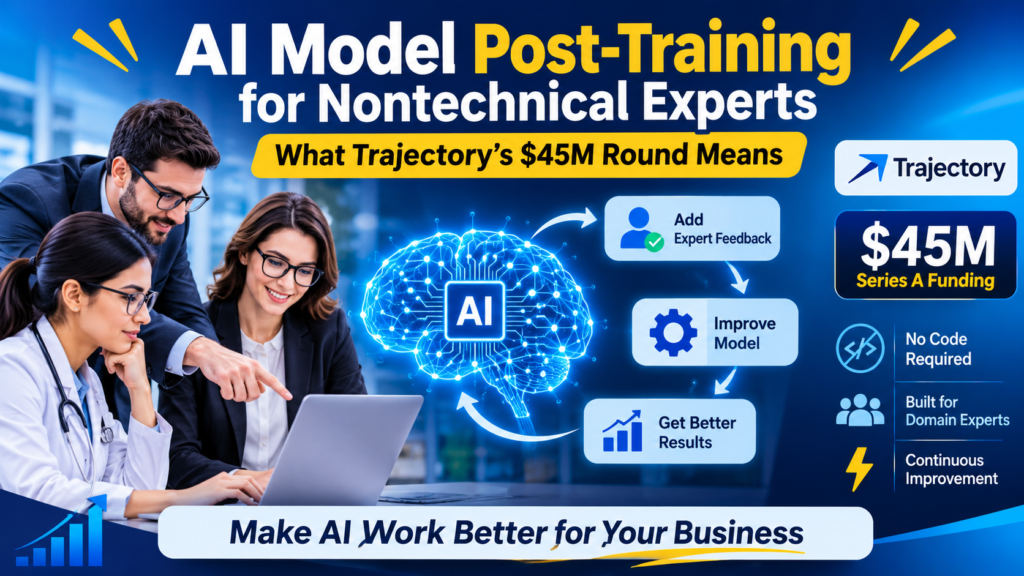
AI model post-training is the process of tuning a general-purpose model on real feedback so it performs well on one specific job. A startup called Trajectory just raised $45 million to let doctors, lawyers, and other specialists do it without a research team. In practical terms, the people who know what “good” looks like in their field may soon be able to improve a model themselves, rather than filing a ticket with engineers and waiting months.
This guide covers what post-training means, why it has been so hard to do, how Trajectory’s approach works, and how it compares with fine-tuning and other customization methods. It closes with a checklist for getting your team ready. It’s written for founders, operations leaders, and domain experts who use AI at work and want a clear picture.
Key Takeaways
- AI model post-training adapts a pretrained model to a specific task, company, or profession after its initial training is finished.
- Until now, it has mostly required scarce machine learning talent or expensive consultants.
- Trajectory announced a $45 million Series A led by Sequoia, with Nvidia, Bessemer Venture Partners, and Bain Capital Ventures participating. tradersunion
- The pitch is that expert feedback (edits, corrections, grades) can drive improvement directly, with no code.
- Human oversight, clean feedback, and clear success criteria matter more than any single tool.
What Is AI Model Post-Training?
Definition: AI model post-training is everything that happens to a model after its large-scale initial training run, including instruction tuning, fine-tuning on specialist data, and reinforcement learning from human or automated feedback.
Expansion: A foundation model starts as a broad generalist. It has read enormous amounts of text and can write, summarize, and reason across many topics. But it doesn’t know your contract templates, your clinical documentation style, or the way your support team resolves a refund dispute. Post-training closes that gap by showing the model examples of good and bad work in your context and adjusting its behavior accordingly.
Pretraining vs. Post-Training
Pretraining teaches a model general language and world knowledge. It is extremely expensive, takes months, and is done by a handful of labs. Post-training is smaller, faster, and far more targeted. It shapes how a model behaves rather than what it broadly knows.
A useful analogy is medical education. Pretraining is medical school, which gives every doctor the same foundation. Post-training is residency, where the same doctor learns the habits, standards, and judgment of one specialty by working under feedback.
Why Post-Training Matters Now
Base models are converging in general ability, so differentiation is shifting to how well a model fits a specific workflow. That is why AI model post-training increasingly decides whether an AI product feels like a clever demo or a dependable colleague. A model that has absorbed a team’s standards makes fewer of the small, costly mistakes that erode trust.
Why Has AI Model Post-Training Been Out of Reach for Most Experts?
Short answer: AI model post-training has been out of reach because it demands research-grade skills, such as designing training pipelines, curating data, running evaluations, and debugging unstable runs. Most organizations employ no one who can do all of that.
The Talent Bottleneck
Machine learning researchers who can run reliable post-training are scarce and expensive. A hospital, boutique law firm, or mid-sized software company rarely has even one of them. The people who do understand the work (the attorney, the radiologist, the senior support agent) usually can’t write training code.
The Consulting Workaround
The common workaround has been hiring outside specialists to fine-tune a model once and hand it back. The bottleneck, as TechCrunch’s coverage frames it, is that foundation models can’t adjust after deployment without more training, which pushes businesses toward fine-tuning or paying consultants. The result is a one-time snapshot. By the time the model ships, the business may have changed, and the next update means another engagement. AI Model Fine-TuningNo-Code AI TrainingAI Model CustomizationAI Model Fine-TuningNo-Code AI TrainingAI Model Customization
What Is Continual Learning in AI?
Definition: Continual learning is an approach in which a deployed model keeps improving from new signals instead of being frozen at launch.
Expansion: In a traditional setup, a model is trained, evaluated, shipped, and left alone until the next big retraining project. With continual learning, production signals flow back into the training process on a regular cadence. Reports on Trajectory’s platform describe post-training cycles that can run weekly or even more often. tilnote
How Feedback Becomes a Training Signal
Every time a user edits an AI draft, rejects a suggestion, or retries a request, they reveal what the model got wrong. Those moments are valuable because they come from real work rather than synthetic benchmarks. A continual learning system captures them, lets an expert confirm what “better” looks like, and uses that judgment to update the model.
Why Static Models Decay
Models drift. Products change, policies are updated, and customer language shifts. A frozen model’s accuracy slowly degrades against that moving target, a problem often called model drift. Continual learning addresses it by keeping the model aligned with how the business operates today.
Trajectory’s $45M Series A: What We Know
The Trajectory Series A is a useful case study because it targets the exact problem described above. Here are the details reported so far.
The Facts
- Round size and valuation: $45 million Series A at a $300 million valuation, for an 18-person company. agentlocker
- Lead investor: Sequoia led the round, with Nvidia, Bessemer Venture Partners, and Bain Capital Ventures also taking part. agentlocker
- Founders: Three Stanford classmates started the company about a year ago. tradersunion
- Launch: Trajectory launched on November 2 and is making its post-training platform publicly available to businesses. agentlocker
Earlier press coverage cited different, smaller figures from previous rounds, so check the latest announcement before quoting numbers in your own work.
Backers and Customers
Harvey, Rogo, Mercor, and NVIDIA are described as already testing the approach. That mix of legal, finance, data-labeling, and chip companies suggests the pitch isn’t limited to one vertical. It targets any field where expert judgment is the scarce resource. runtimewire
The Core Bet
Trajectory’s thesis is that expert judgment can replace much of the research labor behind AI model post-training. Its platform lets users connect open-source models to their applications and collect feedback on how those systems perform. The company also hired engineers and designers from OpenAI, Stripe, and Netflix to build an interface that nontechnical users can navigate without code. tradersunionlavx
Safety is part of the pitch. Co-founder Michael Elabd has argued that keeping humans involved makes the approach safer than fully autonomous self-improvement. agentlocker
How Does AI Model Post-Training Work for Nontechnical Experts?
Short answer: AI model post-training in a no-code tool follows a loop. The product captures feedback, an expert defines what good looks like, the system retrains the model, and the team checks the result before shipping it.
The Five-Step Loop
- Connect the model to your product. Developers add an SDK or integration once, so usage data can flow in.
- Collect signals. User edits, corrections, rejections, and retries are logged as potential training data.
- Let experts grade. A domain specialist reviews outputs and marks what meets the standard, ideally through a visual interface rather than code.
- Retrain automatically. The platform runs a post-training job using those judgments.
- Evaluate and deploy. The team compares the new model against the old one on real tasks and ships it only if it is better.
A Worked Example
Imagine a legal-tech product that drafts contract clauses. A lawyer rewrites an indemnity clause the model got wrong. That edit becomes a signal. A senior attorney confirms the rewrite reflects firm standards. After enough of those confirmations, the next model version drafts that clause correctly on the first try. The attorney never touched a training script.
Prompting vs. RAG vs. Fine-Tuning vs. AI Model Post-Training
People often use these terms interchangeably, and they shouldn’t. This table separates them.
| Method | What it changes | Typical speed to update | Skill needed | Best for |
|---|---|---|---|---|
| Prompting | Instructions given at runtime | Minutes | Low | Quick behavior tweaks |
| Retrieval-augmented generation (RAG) | The documents the model can look up | Hours to days | Moderate | Fresh facts, internal knowledge |
| Traditional fine-tuning | Model weights, one time | Weeks | High (ML engineers) | Stable, well-defined tasks |
| AI model post-training with continual learning | Model weights, repeatedly from feedback | Days to weeks | Lower with no-code tools | Evolving, expert-driven workflows |
Fine-Tuning vs. Post-Training: The Short Version
Fine-tuning is one technique within post-training. Post-training is the broader discipline, covering fine-tuning, preference learning, and reinforcement-style methods. The meaningful contrast in practice is one-shot versus ongoing: a single fine-tune freezes a model at a moment in time, while continual post-training keeps it current.
Do You Need More Than One Method?
Usually, yes. Prompting and RAG handle quick changes and fresh knowledge. Post-training handles deeper behavioral standards, such as tone, reasoning habits, and quality bars. Most mature AI products combine all of them.
Who Else Is Competing in This Space?
Trajectory isn’t alone. Thinking Machines Lab, Applied Compute, and Prime Intellect also target continual learning, though Trajectory emphasizes a human-centered design. The distinction to watch is who the product is for. Some tools assume you have machine learning engineers on staff and want finer control. Others bet that the user is a domain expert who wants results without touching infrastructure. lavx
When evaluating vendors, ask these questions:
- Can a non-engineer define and adjust quality criteria?
- Which base models are supported, and can you own the resulting weights?
- How are evaluations run before a new version goes live?
- What happens to your data, and who can see it?
What Are the Benefits of AI Model Post-Training?
Done well, AI model post-training can deliver several concrete advantages.
- Higher accuracy on your tasks. The model learns your standards rather than generic ones.
- Lower reliance on consultants. Teams iterate in-house.
- Faster improvement cycles. Feedback becomes progress in days, not quarters.
- A compounding advantage. Every correction makes the product better, and competitors can’t copy your usage data.
- Smaller, cheaper models. A well-tuned smaller model can sometimes match a larger general one on a narrow task.
What Are the Risks and Limits?
Short answer: The main risk of AI model post-training is learning the wrong lessons from noisy or biased feedback. A model trained on careless edits will faithfully reproduce careless work.
- Feedback quality. Disagreeing experts produce inconsistent signals. Define a shared rubric first.
- Regression. Improving one skill can quietly degrade another, so keep a stable test set.
- Privacy and compliance. Using production data, especially in legal or medical contexts, requires clear consent, retention rules, and security review.
- Over-automation. Human review should remain in the loop before any model update reaches users.
- Unproven claims. Vendor results are early. Treat performance claims as hypotheses to test on your own data.
How Should You Prepare Your Team for AI Model Post-Training?
You don’t need to wait for a vendor to start. Preparation work pays off whichever platform you choose.
- Pick one narrow workflow. Choose a task with clear right and wrong answers, such as drafting a specific document type.
- Write the rubric. Have your best practitioner define what an excellent output looks like.
- Instrument your product. Log edits, rejections, and retries with context, while respecting privacy rules.
- Build a golden test set. Collect 50 to 200 representative tasks with approved answers for before-and-after comparison.
- Assign an owner. Name a domain expert accountable for feedback quality.
- Run a pilot. Start small, measure against the test set, and expand only if results hold.
Frequently Asked Questions
What is AI model post-training in simple terms?
It is the stage where a general AI model is adjusted using examples and feedback so it performs better on a particular job. Think of it as on-the-job training after general education.
Is AI model post-training the same as fine-tuning?
No. Fine-tuning is one method inside the broader practice. Post-training also includes preference learning and reinforcement-style approaches, and it can run continuously instead of once.
Can nontechnical experts really do it?
Increasingly, yes, for the judgment part: defining good output, reviewing results, and approving updates. Developers still handle the initial integration and security. Tools like Trajectory’s aim to remove code from the expert’s daily role, but results are still early.
How much does AI model post-training cost?
It varies widely with model size, data volume, and training frequency. Compare vendor pricing against the cost of consultants and of the errors a generic model makes today. Public pricing for newly launched platforms may change, so confirm it directly.
Does continual learning make models unsafe?
Not inherently, but it raises the stakes on oversight. Keep humans approving updates, test for regressions, and log every change so you can roll back.
Which industries benefit most?
Fields where expert judgment is costly and outputs are checkable: legal drafting, finance, customer support, healthcare documentation, and data annotation are early examples.
Conclusion: AI Model Post-Training Could Put Experts in Control of AI Development
AI model post-training is shifting from a research-lab specialty to something domain professionals may operate directly. The Trajectory Series A is a signal of investor confidence in that shift, not proof that it works at scale. The sensible move now is to pick one workflow, define quality in writing, capture feedback carefully, and test any platform against your own examples. The organizations that build good feedback habits early will be best placed to benefit as these tools mature.
What makes this development particularly important is the possibility of changing who gets to shape artificial intelligence. Until recently, improving an AI model required a combination of machine learning expertise, specialized infrastructure, and substantial financial resources. Doctors, lawyers, financial analysts, and other professionals could identify problems in AI-generated work, but they often depended on engineers to translate those observations into technical improvements. Platforms like Trajectory aim to remove much of that separation.
For businesses, this could create a new competitive advantage. Companies will increasingly compete not just on which AI model they use, but on how effectively they teach that model to handle their specific operations. An accounting firm could improve financial document analysis, a hospital could refine clinical documentation workflows, and a customer support company could train its AI to follow its own service standards. Over time, these improvements could make AI systems more useful and reduce the need for repeated manual corrections.
However, accessibility should not be confused with automatic reliability. Making post-training available through a no-code interface does not eliminate the need for technical oversight, responsible data handling, or proper evaluation. Businesses must still protect sensitive information, identify biased feedback, monitor model performance, and ensure that new training cycles do not introduce unexpected mistakes. In healthcare and legal applications especially, expert approval must remain central to the process.
Trajectory’s $45 million funding round gives the company resources and credibility to pursue this opportunity, but the real test will be whether customers achieve measurable improvements in accuracy, cost, and productivity. Its long-term success will depend on how well its platform handles real-world feedback, supports different industries, and maintains consistent model quality as workflows evolve.
For now, businesses do not need to rush into replacing their existing AI infrastructure. They should begin by identifying repetitive tasks where expert judgment can be captured, measured, and converted into useful feedback. Start with a small pilot, establish a reliable evaluation process, and expand only when the results demonstrate genuine value.
Ultimately, the future of AI may belong not only to the companies building the largest models, but also to the organizations that know how to improve them for specific jobs. If Trajectory delivers on its promise, AI model post-training could become an everyday business capability rather than an exclusive research discipline.
ଏଆଇ ମଡେଲ୍ ପରବର୍ତ୍ତୀ ତାଲିମ ହେଉଛି ଏକ ସାଧାରଣ-ଉଦ୍ଦେଶ୍ୟ ମଡେଲ୍କୁ ପ୍ରକୃତ ମତାମତ ଉପରେ ଟ୍ୟୁନ୍ କରିବାର ପ୍ରକ୍ରିୟା ଯାହା ଦ୍ଵାରା ଏହା ଏକ ନିର୍ଦ୍ଦିଷ୍ଟ କାମରେ ଭଲ କାର୍ଯ୍ୟ କରେ। ଟ୍ରାଜେକ୍ଟୋରୀ ନାମକ ଏକ ଷ୍ଟାର୍ଟଅପ୍ ଡାକ୍ତର, ଓକିଲ ଏବଂ ଅନ୍ୟ ବିଶେଷଜ୍ଞମାନଙ୍କୁ ଏକ ଗବେଷଣା ଦଳ ବିନା ଏହା କରିବାକୁ ଦେବା ପାଇଁ $45 ନିୟୁତ ସଂଗ୍ରହ କରିଛି। ବ୍ୟବହାରିକ ଦୃଷ୍ଟିରୁ, ଯେଉଁମାନେ ଜାଣନ୍ତି ଯେ ସେମାନଙ୍କ କ୍ଷେତ୍ରରେ “ଭଲ” କିପରି ଦେଖାଯାଏ ସେମାନେ ଇଞ୍ଜିନିୟରମାନଙ୍କ ସହିତ ଟିକେଟ୍ ଦାଖଲ କରିବା ଏବଂ ମାସ ମାସ ଅପେକ୍ଷା କରିବା ପରିବର୍ତ୍ତେ ଶୀଘ୍ର ନିଜେ ଏକ ମଡେଲ୍କୁ ଉନ୍ନତ କରିପାରିବେ।
ଏହି ମାର୍ଗଦର୍ଶିକାରେ ତାଲିମ ପରବର୍ତ୍ତୀ ଅର୍ଥ କ’ଣ, ଏହା କାହିଁକି କରିବା ଏତେ କଷ୍ଟକର ହୋଇଛି, ଟ୍ରାଜେକ୍ଟୋରୀର ପଦ୍ଧତି କିପରି କାମ କରେ, ଏବଂ ଏହା କିପରି ଫାଇନ୍-ଟ୍ୟୁନିଂ ଏବଂ ଅନ୍ୟାନ୍ୟ କଷ୍ଟମାଇଜେସନ୍ ପଦ୍ଧତି ସହିତ ତୁଳନା କରେ ତାହା ବର୍ଣ୍ଣନା କରାଯାଇଛି। ଏହା ଆପଣଙ୍କ ଦଳକୁ ପ୍ରସ୍ତୁତ କରିବା ପାଇଁ ଏକ ଚେକଲିଷ୍ଟ ସହିତ ବନ୍ଦ ହୁଏ। ଏହା ପ୍ରତିଷ୍ଠାତା, ଅପରେସନ୍ ନେତା ଏବଂ ଡୋମେନ୍ ବିଶେଷଜ୍ଞଙ୍କ ପାଇଁ ଲେଖାଯାଇଛି ଯେଉଁମାନେ କାର୍ଯ୍ୟସ୍ଥଳରେ ଏଆଇ ବ୍ୟବହାର କରନ୍ତି ଏବଂ ଏକ ସ୍ପଷ୍ଟ ଚିତ୍ର ଚାହାଁନ୍ତି।
ପ୍ରମୁଖ ପ୍ରସଙ୍ଗ
ଏଆଇ ମଡେଲ୍ ପରବର୍ତ୍ତୀ ତାଲିମ୍ ଏକ ପ୍ରାରମ୍ଭିକ ତାଲିମ ସମାପ୍ତ ହେବା ପରେ ଏକ ନିର୍ଦ୍ଦିଷ୍ଟ କାର୍ଯ୍ୟ, କମ୍ପାନୀ କିମ୍ବା ବୃତ୍ତି ସହିତ ଏକ ପୂର୍ବ-ପ୍ରଶିକ୍ଷିତ ମଡେଲ୍କୁ ଗ୍ରହଣ କରେ।
ଏବେ ପର୍ଯ୍ୟନ୍ତ, ଏହାକୁ ପ୍ରାୟତଃ ଦୁର୍ଲଭ ମେସିନ୍ ଶିକ୍ଷଣ ପ୍ରତିଭା କିମ୍ବା ମହଙ୍ଗା ପରାମର୍ଶଦାତା ଆବଶ୍ୟକ ହୋଇଛି।
ଟ୍ରାଜେକ୍ଟୋରୀ ସିକ୍ୱୋଇଆର ନେତୃତ୍ୱରେ $45 ନିୟୁତ ସିରିଜ୍ A ଘୋଷଣା କରିଛି, ଯେଉଁଥିରେ Nvidia, Bessemer Venture Partners ଏବଂ Bain Capital Ventures ଅଂଶଗ୍ରହଣ କରୁଛନ୍ତି। tradersunion
ମୁଖ୍ୟ କଥା ହେଉଛି ବିଶେଷଜ୍ଞ ମତାମତ (ସମ୍ପାଦନା, ସଂଶୋଧନ, ଗ୍ରେଡ୍) କୌଣସି କୋଡ୍ ବିନା ସିଧାସଳଖ ଉନ୍ନତି ଆଣିପାରେ।
ମାନବ ତଦାରଖ, ସ୍ୱଚ୍ଛ ମତାମତ, ଏବଂ ସ୍ପଷ୍ଟ ସଫଳତା ମାନଦଣ୍ଡ ଯେକୌଣସି ଏକକ ଉପକରଣ ଅପେକ୍ଷା ଅଧିକ ଗୁରୁତ୍ୱପୂର୍ଣ୍ଣ।
AI ମଡେଲ୍ ପୋଷ୍ଟ-ଟ୍ରେନିଂ କ’ଣ?
ପରିଭାଷା: AI ମଡେଲ୍ ପୋଷ୍ଟ-ଟ୍ରେନିଂ ହେଉଛି ଏକ ମଡେଲ୍ ସହିତ ଏହାର ବଡ଼ ଧରଣର ପ୍ରାରମ୍ଭିକ ତାଲିମ ଚାଲିବା ପରେ ଘଟୁଥିବା ସବୁକିଛି, ଯେଉଁଥିରେ ନିର୍ଦ୍ଦେଶ ଟ୍ୟୁନିଂ, ବିଶେଷଜ୍ଞ ତଥ୍ୟ ଉପରେ ଫାଇନ୍-ଟ୍ୟୁନିଂ ଏବଂ ମାନବ କିମ୍ବା ସ୍ୱୟଂଚାଳିତ ମତାମତରୁ ଶକ୍ତି ବୃଦ୍ଧି ଶିକ୍ଷା ଅନ୍ତର୍ଭୁକ୍ତ।
ବିସ୍ତାର: ଏକ ଫାଉଣ୍ଡେସନ୍ ମଡେଲ୍ ଏକ ବ୍ୟାପକ ସାଧାରଣବାଦୀ ଭାବରେ ଆରମ୍ଭ ହୁଏ। ଏହା ବିପୁଳ ପରିମାଣରେ ପାଠ ପଢ଼ିଛି ଏବଂ ଅନେକ ବିଷୟରେ ଲେଖିପାରେ, ସଂକ୍ଷେପ କରିପାରେ ଏବଂ କାରଣ ଦେଇପାରେ। କିନ୍ତୁ ଏହା ଆପଣଙ୍କର ଚୁକ୍ତିନାମା ଟେମ୍ପଲେଟ୍, ଆପଣଙ୍କର କ୍ଲିନିକାଲ୍ ଡକ୍ୟୁମେଣ୍ଟେସନ୍ ଶୈଳୀ, କିମ୍ବା ଆପଣଙ୍କର ସମର୍ଥନ ଦଳ କିପରି ଏକ ରିଫଣ୍ଡ ବିବାଦ ସମାଧାନ କରେ ତାହା ଜାଣିନାହିଁ। ତାଲିମ ପରବର୍ତ୍ତୀ ଆପଣଙ୍କ ପ୍ରସଙ୍ଗରେ ଭଲ ଏବଂ ଖରାପ କାର୍ଯ୍ୟର ମଡେଲ୍ ଉଦାହରଣ ଦେଖାଇ ଏବଂ ସେହି ଅନୁସାରେ ଏହାର ଆଚରଣକୁ ସଜାଡ଼ି ସେହି ବ୍ୟବଧାନକୁ ବନ୍ଦ କରେ।
ପ୍ରାକ୍-ପ୍ରଶିକ୍ଷଣ ବନାମ ତାଲିମ ପରବର୍ତ୍ତୀ
ପ୍ରାକ୍-ପ୍ରଶିକ୍ଷଣ ଏକ ମଡେଲକୁ ସାଧାରଣ ଭାଷା ଏବଂ ବିଶ୍ୱ ଜ୍ଞାନ ଶିଖାଏ। ଏହା ଅତ୍ୟନ୍ତ ମହଙ୍ଗା, ମାସ ମାସ ସମୟ ନେଇଥାଏ, ଏବଂ କିଛି ମୁଷ୍ଟିମେୟ ଲ୍ୟାବ ଦ୍ୱାରା କରାଯାଏ। ତାଲିମ ପରବର୍ତ୍ତୀ ସମୟ ଛୋଟ, ଦ୍ରୁତ ଏବଂ ବହୁତ ଅଧିକ ଲକ୍ଷ୍ୟଭେଦୀ। ଏହା ଏକ ମଡେଲକୁ ବ୍ୟାପକ ଭାବରେ ଜାଣୁଥିବା ଅପେକ୍ଷା କିପରି ଆଚରଣ କରେ ତାହା ଆକାର ଦିଏ।
ଏକ ଉପଯୋଗୀ ସାଦୃଶ୍ୟ ହେଉଛି ଡାକ୍ତରୀ ଶିକ୍ଷା। ପ୍ରାକ୍-ପ୍ରଶିକ୍ଷଣ ହେଉଛି ଡାକ୍ତରୀ ସ୍କୁଲ, ଯାହା ପ୍ରତ୍ୟେକ ଡାକ୍ତରଙ୍କୁ ସମାନ ଭିତ୍ତିଭୂମି ପ୍ରଦାନ କରେ। ତାଲିମ ପରବର୍ତ୍ତୀ ସମୟ ହେଉଛି ଆବାସିକତା, ଯେଉଁଠାରେ ସମାନ ଡାକ୍ତର ମତାମତ ଅଧୀନରେ କାମ କରି ଗୋଟିଏ ବିଶେଷଜ୍ଞର ଅଭ୍ୟାସ, ମାନଦଣ୍ଡ ଏବଂ ବିଚାର ଶିଖନ୍ତି।
ପ୍ରଶିକ୍ଷଣ ପରବର୍ତ୍ତୀ ସମୟ ଏବେ କାହିଁକି ଗୁରୁତ୍ୱପୂର୍ଣ୍ଣ
ମୌଳିକ ମଡେଲଗୁଡ଼ିକ ସାଧାରଣ କ୍ଷମତାରେ ଏକତ୍ରିତ ହେଉଛନ୍ତି, ତେଣୁ ପାର୍ଥକ୍ୟ ପରିବର୍ତ୍ତନ ହେଉଛି ଯେ ଏକ ମଡେଲ ଏକ ନିର୍ଦ୍ଦିଷ୍ଟ କାର୍ଯ୍ୟପ୍ରଣାଳୀରେ କେତେ ଭଲ ଭାବରେ ଫିଟ୍ ହୁଏ। ସେଥିପାଇଁ AI ମଡେଲ ପରବର୍ତ୍ତୀ ସମୟ ତାଲିମ କ୍ରମାଗତ ଭାବରେ ନିଷ୍ପତ୍ତି ନେଉଛି ଯେ ଏକ AI ଉତ୍ପାଦ ଏକ ଚତୁର ଡେମୋ କିମ୍ବା ଏକ ନିର୍ଭରଯୋଗ୍ୟ ସହକର୍ମୀ ପରି ଅନୁଭବ କରେ କି ନାହିଁ। ଏକ ମଡେଲ ଯାହା ଏକ ଦଳର ମାନଦଣ୍ଡକୁ ଗ୍ରହଣ କରିଛି ତାହା ବିଶ୍ୱାସକୁ ନଷ୍ଟ କରୁଥିବା ଛୋଟ, ମହଙ୍ଗା ଭୁଲଗୁଡ଼ିକୁ କମ୍ କରିଥାଏ।
କାହିଁକି AI ମଡେଲ ପରବର୍ତ୍ତୀ ସମୟ ତାଲିମ ଅଧିକାଂଶ ବିଶେଷଜ୍ଞଙ୍କ ପାଇଁ ପହଞ୍ଚିବା ବାହାରେ ଅଛି?
ସଂକ୍ଷିପ୍ତ ଉତ୍ତର: AI ମଡେଲ୍ ପରବର୍ତ୍ତୀ ତାଲିମ ପହଞ୍ଚିବା ବାହାରେ ରହିଛି କାରଣ ଏହା ଗବେଷଣା-ଗ୍ରେଡ୍ ଦକ୍ଷତା ଆବଶ୍ୟକ କରେ, ଯେପରିକି ତାଲିମ ପାଇପଲାଇନ୍ ଡିଜାଇନ୍ କରିବା, ଡାଟା କ୍ୟୁରେଟିଂ କରିବା, ମୂଲ୍ୟାଙ୍କନ ଚଳାଇବା ଏବଂ ଅସ୍ଥିର ରନ୍ ଡିବଗ୍ କରିବା। ଅଧିକାଂଶ ସଂଗଠନ ଏପରି କାହାକୁ ନିଯୁକ୍ତି ଦିଅନ୍ତି ନାହିଁ ଯିଏ ଏସବୁ କରିପାରିବ।
ଟ୍ୟାଲେଣ୍ଟ ବୋଟଲନେକ୍
ନିର୍ଭରଯୋଗ୍ୟ ପରବର୍ତ୍ତୀ ତାଲିମ ଚଲାଇପାରୁଥିବା ମେସିନ୍ ଲର୍ଣ୍ଣିଂ ଗବେଷକମାନେ ଦୁର୍ଲଭ ଏବଂ ମହଙ୍ଗା। ଏକ ହସ୍ପିଟାଲ, ବୁଟିକ୍ ଆଇନ ଫାର୍ମ, କିମ୍ବା ମଧ୍ୟମ ଆକାରର ସଫ୍ଟୱେର୍ କମ୍ପାନୀରେ ସେମାନଙ୍କ ମଧ୍ୟରୁ ଗୋଟିଏ ମଧ୍ୟ ନାହିଁ। ଯେଉଁମାନେ କାମ ବୁଝନ୍ତି (ଆଟର୍ଣ୍ଣି, ରେଡିଓଲୋଜିଷ୍ଟ, ବରିଷ୍ଠ ସହାୟତା ଏଜେଣ୍ଟ) ସାଧାରଣତଃ ତାଲିମ କୋଡ୍ ଲେଖିପାରିବେ ନାହିଁ।
ପରାମର୍ଶ କାର୍ଯ୍ୟକ୍ଷେତ୍ର
ସାଧାରଣ କାର୍ଯ୍ୟକ୍ଷେତ୍ର ହେଉଛି ଏକ ମଡେଲ୍ ଥରେ ସଜାଡ଼ିବା ଏବଂ ଏହାକୁ ଫେରାଇବା ପାଇଁ ବାହାର ବିଶେଷଜ୍ଞମାନଙ୍କୁ ନିଯୁକ୍ତି ଦେବା। ଟେକ୍କ୍ରଞ୍ଚର କଭରେଜ୍ ଏହାକୁ ଫ୍ରେମ୍ କରୁଥିବା ପରି ପ୍ରତିବନ୍ଧକ ହେଉଛି ଯେ ଫାଉଣ୍ଡେସନ୍ ମଡେଲ୍ ଅଧିକ ତାଲିମ ବିନା ନିୟୋଜନ ପରେ ଆଡଜଷ୍ଟ କରିପାରିବେ ନାହିଁ, ଯାହା ବ୍ୟବସାୟଗୁଡ଼ିକୁ ସଜାଡ଼ିବା କିମ୍ବା ପରାମର୍ଶଦାତାଙ୍କୁ ଦେୟ ଦେବା ଆଡ଼କୁ ଠେଲିଥାଏ। ଫଳାଫଳ ହେଉଛି ଏକ ଥର ସ୍ନାପସଟ୍। ମଡେଲ୍ ପଠାଯିବା ପର୍ଯ୍ୟନ୍ତ, ବ୍ୟବସାୟ ପରିବର୍ତ୍ତନ ହୋଇଥାଇପାରେ, ଏବଂ ପରବର୍ତ୍ତୀ ଅପଡେଟ୍ ଅନ୍ୟ ଏକ ନିବେଶକୁ ବୁଝାଏ। lavx
AI ରେ ନିରନ୍ତର ଶିକ୍ଷା କ’ଣ?
ପରିଭାଷା: ନିରନ୍ତର ଶିକ୍ଷଣ ହେଉଛି ଏକ ପଦ୍ଧତି ଯେଉଁଥିରେ ଏକ ନିୟୋଜିତ ମଡେଲ ଲଞ୍ଚ ସମୟରେ ଫ୍ରିଜ୍ ହେବା ପରିବର୍ତ୍ତେ ନୂତନ ସଙ୍କେତରୁ ଉନ୍ନତି କରିଚାଲିଥାଏ।
ପ୍ରସାରଣ: ଏକ ପାରମ୍ପରିକ ସେଟଅପରେ, ଏକ ମଡେଲକୁ ତାଲିମ ଦିଆଯାଇଥାଏ, ମୂଲ୍ୟାଙ୍କନ କରାଯାଏ, ପଠାଯାଏ ଏବଂ ପରବର୍ତ୍ତୀ ବଡ଼ ପୁନଃପ୍ରଶିକ୍ଷଣ ପ୍ରକଳ୍ପ ପର୍ଯ୍ୟନ୍ତ ଏକା ଛାଡି ଦିଆଯାଏ। ନିରନ୍ତର ଶିକ୍ଷଣ ସହିତ, ଉତ୍ପାଦନ ସଙ୍କେତଗୁଡ଼ିକ ନିୟମିତ କ୍ୟାଡେନ୍ସରେ ତାଲିମ ପ୍ରକ୍ରିୟାରେ ଫେରିଯାଏ। ଟ୍ରାଜେକ୍ଟରିର ପ୍ଲାଟଫର୍ମରେ ରିପୋର୍ଟଗୁଡ଼ିକ ତାଲିମ ପରବର୍ତ୍ତୀ ଚକ୍ରଗୁଡ଼ିକୁ ବର୍ଣ୍ଣନା କରେ ଯାହା ସପ୍ତାହରେ କିମ୍ବା ଆହୁରି ଅଧିକ ଥର ଚାଲିପାରେ। ଟିଲନୋଟ୍
ପ୍ରତିକ୍ରିୟା କିପରି ଏକ ତାଲିମ ସଙ୍କେତ ହୁଏ
ପ୍ରତ୍ୟେକ ଥର ଜଣେ ବ୍ୟବହାରକାରୀ ଏକ AI ଡ୍ରାଫ୍ଟ ସମ୍ପାଦନ କରନ୍ତି, ଏକ ପରାମର୍ଶକୁ ପ୍ରତ୍ୟାଖ୍ୟାନ କରନ୍ତି, କିମ୍ବା ଏକ ଅନୁରୋଧକୁ ପୁନଃ ଚେଷ୍ଟା କରନ୍ତି, ସେମାନେ ପ୍ରକାଶ କରନ୍ତି ଯେ ମଡେଲ କ’ଣ ଭୁଲ କରିଛି। ସେହି ମୁହୂର୍ତ୍ତଗୁଡ଼ିକ ମୂଲ୍ୟବାନ କାରଣ ସେଗୁଡ଼ିକ ସିନ୍ଥେଟିକ୍ ମାନଦଣ୍ଡ ଅପେକ୍ଷା ପ୍ରକୃତ କାର୍ଯ୍ୟରୁ ଆସିଥାଏ। ଏକ ନିରନ୍ତର ଶିକ୍ଷଣ ପ୍ରଣାଳୀ ସେମାନଙ୍କୁ କଏଦ କରିଥାଏ, ଏକ ଇ-କୁ ଅନୁମତି ଦିଏ। ବିଶେଷଜ୍ଞମାନେ “ଉନ୍ନତ” (better) କ’ଣ ତାହା ନିର୍ଦ୍ଧାରଣ କରନ୍ତି ଏବଂ ସେହି ମତାମତକୁ ବ୍ୟବହାର କରି ମଡେଲକୁ ଅପଡେଟ୍ କରନ୍ତି।
ସ୍ଥିର (Static) ମଡେଲଗୁଡ଼ିକ କାହିଁକି ଅକାମୀ ହୋଇଯାଏ?
ମଡେଲଗୁଡ଼ିକ ସମୟ ସହିତ ପରିବର୍ତ୍ତିତ ପରିସ୍ଥିତି ସହ ଖାପ ଖାଇପାରନ୍ତି ନାହିଁ (ଯାହାକୁ ‘ମଡେଲ୍ ଡ୍ରିଫ୍ଟ’ କୁହାଯାଏ)। ବ୍ୟବସାୟିକ ଉତ୍ପାଦ ବଦଳେ, ନୀତି ନିୟମ ଅପଡେଟ୍ ହୁଏ ଏବଂ ଗ୍ରାହକଙ୍କ ଭାଷା ବ୍ୟବହାର ମଧ୍ୟ ପରିବର୍ତ୍ତନ ହୁଏ। ଏକ ସ୍ଥିର ମଡେଲ୍ (ଯାହାକୁ ପରେ ପରିବର୍ତ୍ତନ କରାଯାଇନାହିଁ) ସମୟ ସହିତ ବଦଳୁଥିବା ପରିସ୍ଥିତିରେ ନିଜର ସଠିକତା ହରାଇବା ଆରମ୍ଭ କରେ। ‘କଣ୍ଟିନ୍ୟୁଆଲ୍ ଲର୍ଣ୍ଣିଂ’ (ନିରନ୍ତର ଶିକ୍ଷଣ) ପ୍ରକ୍ରିୟା ମାଧ୍ୟମରେ ମଡେଲକୁ ବର୍ତ୍ତମାନର ବ୍ୟବସାୟିକ ପରିଚାଳନା ସହିତ ତାଳ ଦେଇ ଚାଲିବା ପାଇଁ ପ୍ରସ୍ତୁତ ରଖାଯାଏ।
Trajectory (ଟ୍ରାଜେକ୍ଟୋରୀ) ର $୪୫ ନିୟୁତର ‘ସିରିଜ୍ A’ ପାଣ୍ଠି ସଂଗ୍ରହ: ଆମେ କ’ଣ ଜାଣୁ?
Trajectory ର ‘ସିରିଜ୍ A’ ପାଣ୍ଠି ସଂଗ୍ରହ ଏକ ଉପଯୋଗୀ ଉଦାହରଣ, କାରଣ ଏହା ଉପରେ ବର୍ଣ୍ଣିତ ସମସ୍ୟାର ସମାଧାନ ଉପରେ ଧ୍ୟାନ କେନ୍ଦ୍ରିତ କରେ। ବର୍ତ୍ତମାନ ସୁଦ୍ଧା ମିଳିଥିବା ତଥ୍ୟଗୁଡ଼ିକ ନିମ୍ନରେ ଦିଆଗଲା।
ମୁଖ୍ୟ ତଥ୍ୟ
ପାଣ୍ଠି ପରିମାଣ ଏବଂ ମୂଲ୍ୟାଙ୍କନ: ୧୮ ଜଣ କର୍ମଚାରୀ ଥିବା ଏହି କମ୍ପାନୀ $୩୦୦ ନିୟୁତ ମୂଲ୍ୟାଙ୍କନ (valuation) ସହିତ $୪୫ ନିୟୁତର ‘ସିରିଜ୍ A’ ପାଣ୍ଠି ସଂଗ୍ରହ କରିଛି।
ମୁଖ୍ୟ ନିବେଶକ: Sequoia (ସେକୋଇଆ) ଏହି ପାଣ୍ଠି ସଂଗ୍ରହ ପ୍ରକ୍ରିୟାର ନେତୃତ୍ୱ ନେଇଛି। ଏହା ବ୍ୟତୀତ Nvidia, Bessemer Venture Partners ଏବଂ Bain Capital Ventures ମଧ୍ୟ ଏଥିରେ ଅଂଶଗ୍ରହଣ କରିଛନ୍ତି।
ପ୍ରତିଷ୍ଠାତା: ଷ୍ଟାନଫୋର୍ଡ ବିଶ୍ୱବିଦ୍ୟାଳୟର ତିନିଜଣ ସହପାଠୀ ପ୍ରାୟ ଏକ ବର୍ଷ ପୂର୍ବେ ଏହି କମ୍ପାନୀ ଆରମ୍ଭ କରିଥିଲେ।
ଲଞ୍ଚ୍: Trajectory ନଭେମ୍ବର ୨ ତାରିଖରେ ଆରମ୍ଭ ହୋଇଛି ଏବଂ ଏହା ନିଜର ‘ପୋଷ୍ଟ-ଟ୍ରେନିଂ’ (ପ୍ରଶିକ୍ଷଣ ପରବର୍ତ୍ତୀ) ପ୍ଲାଟଫର୍ମକୁ ବିଭିନ୍ନ ବ୍ୟବସାୟିକ ସଂସ୍ଥା ପାଇଁ ଉପଲବ୍ଧ କରାଉଛି।
ପୂର୍ବରୁ ପ୍ରକାଶିତ ଖବରଗୁଡ଼ିକରେ ଭିନ୍ନ ଏବଂ କମ୍ ପରିମାଣର ତଥ୍ୟ ରହିପାରେ, ତେଣୁ କୌଣସି ସ୍ଥାନରେ ସଂଖ୍ୟା ଉଲ୍ଲେଖ କରିବା ପୂର୍ agentlocker
ଅଣ-ଯାନ୍ତ୍ରିକ ବିଶେଷଜ୍ଞମାନଙ୍କ ପାଇଁ AI ମଡେଲ୍ ‘ପୋଷ୍ଟ-ଟ୍ରେନିଂ’ (post-training) କିପରି କାମ କରେ?
ସଂକ୍ଷିପ୍ତ ଉତ୍ତର: ‘ନୋ-କୋଡ୍’ (no-code) ଟୁଲ୍ରେ AI ମଡେଲ୍ର ପୋଷ୍ଟ-ଟ୍ରେନିଂ ଏକ ନିର୍ଦ୍ଦିଷ୍ଟ ଚକ୍ର (loop) ମାଧ୍ୟମରେ ହୋଇଥାଏ। ଏଥିରେ ପ୍ରଥମେ ଫିଡବ୍ୟାକ୍ (ମତାମତ) ସଂଗ୍ରହ କରାଯାଏ, ଜଣେ ବିଶେଷଜ୍ଞ ‘ଉତ୍ତମ ଫଳାଫଳ’ କାହାକୁ କୁହାଯିବ ତାହା ସ୍ଥିର କରନ୍ତି, ସିଷ୍ଟମ୍ ମଡେଲ୍କୁ ପୁନଃ-ପ୍ରଶିକ୍ଷିତ (retrain) କରେ ଏବଂ ଶେଷରେ ଟିମ୍ ଫଳାଫଳ ଯାଞ୍ଚ କରି ଏହାକୁ ବ୍ୟବହାର ପାଇଁ ଉପଲବ୍ଧ କରାନ୍ତି।
ପାଞ୍ଚ-ପର୍ଯ୍ୟାୟ ବିଶିଷ୍ଟ ଚକ୍ର
ମଡେଲ୍କୁ ଆପଣଙ୍କ ପ୍ରଡକ୍ଟ (ଉତ୍ପାଦ) ସହିତ ସଂଯୋଗ କରନ୍ତୁ। ଡେଭଲପରମାନେ ଥରେ ମାତ୍ର SDK କିମ୍ବା ଇଣ୍ଟିଗ୍ରେସନ୍ ଯୋଡ଼ିଦିଅନ୍ତି, ଯାହା ଫଳରେ ବ୍ୟବହାର ସମ୍ବନ୍ଧୀୟ ତଥ୍ୟ (usage data) ସିଷ୍ଟମ୍କୁ ଆସିପାରିବ।
ସଙ୍କେତ (Signals) ସଂଗ୍ରହ କରନ୍ତୁ। ୟୁଜରଙ୍କ ଦ୍ୱାରା କରାଯାଇଥିବା ସମ୍ପାଦନା, ସଂଶୋଧନ, ଅସ୍ୱୀକାର କିମ୍ବା ପୁନଃ-ପ୍ରୟାସଗୁଡ଼ିକୁ ସମ୍ଭାବ୍ୟ ପ୍ରଶିକ୍ଷଣ ତଥ୍ୟ (training data) ଭାବରେ ରେକର୍ଡ କରାଯାଏ।
ବିଶେଷଜ୍ଞଙ୍କ ଦ୍ୱାରା ମୂଲ୍ୟାଙ୍କନ କରାନ୍ତୁ। ଜଣେ ବିଷୟଗତ ବିଶେଷଜ୍ଞ (domain specialist) ଆଉଟପୁଟ୍ଗୁଡ଼ିକୁ ସମୀକ୍ଷା କରନ୍ତି ଏବଂ କେଉଁଗୁଡ଼ିକ ମାନକ (standard) ଅନୁଯାୟୀ ଅଛି ତାହା ଚିହ୍ନିତ କରନ୍ତି। ଏହା ସାଧାରଣତଃ କୋଡ୍ ବଦଳରେ ଏକ ଭିଜୁଆଲ୍ ଇଣ୍ଟରଫେସ୍ (ଦୃଶ୍ୟମାନ ଇଣ୍ଟରଫେସ୍) ମାଧ୍ୟମରେ କରାଯାଏ।
ସ୍ୱୟଂଚାଳିତ ଭାବରେ ପୁନଃ-ପ୍ରଶିକ୍ଷଣ (Retrain) କରନ୍ତୁ। ପ୍ଲାଟଫର୍ମଟି ଏହି ମତାମତଗୁଡ଼ିକୁ ବ୍ୟବହାର କରି ପୋଷ୍ଟ-ଟ୍ରେନିଂ ପ୍ରକ୍ରିୟା ଚଳାଇଥାଏ।
ମୂଲ୍ୟାଙ୍କନ ଏବଂ ଡିପ୍ଲୟମେଣ୍ଟ (ଉପଲବ୍ଧ କରାଇବା)। ଟିମ୍ ନୂତନ ମଡେଲ୍କୁ ପୁରୁଣା ମଡେଲ୍ ସହିତ ପ୍ରକୃତ କାର୍ଯ୍ୟକ୍ଷେତ୍ରରେ ତୁଳନା କରନ୍ତି ଏବଂ ଯଦି ନୂତନ ମଡେଲ୍ ଅଧିକ ଭଲ ପ୍ରଦର୍ଶନ କରେ, ତେବେ କେବଳ ସେତେବେଳେ ହିଁ ଏହାକୁ ବ୍ୟବହାର ପାଇଁ ଜାରି କରାଯାଏ।
ଏକ ଉଦାହରଣ
ଧରିନିଅନ୍ତୁ ଯେ ଏକ ‘ଲିଗାଲ୍-ଟେକ୍’ (legal-tech) ପ୍ରଡକ୍ଟ ଅଛି ଯାହା ଚୁକ୍ତିନାମାର ବିଭିନ୍ନ ସର୍ତ୍ତ (clauses) ପ୍ରସ୍ତ ତାଲିମ ପରବର୍ତ୍ତୀ ଏକ ବ୍ୟାପକ ଶୃଙ୍ଖଳା, ଯାହା ସୂକ୍ଷ୍ମ-ଟ୍ୟୁନିଂ, ପସନ୍ଦ ଶିକ୍ଷା ଏବଂ ଦୃଢ଼ୀକରଣ-ଶୈଳୀ ପଦ୍ଧତିଗୁଡ଼ିକୁ ଆବୃତ କରେ। ଅଭ୍ୟାସରେ ଅର୍ଥପୂର୍ଣ୍ଣ ବିପରୀତତା ହେଉଛି ଗୋଟିଏ-ଶଟ୍ ବନାମ ଚାଲୁଥିବା: ଏକ ଏକକ ସୂକ୍ଷ୍ମ-ଟ୍ୟୁନ୍ ସମୟର ଏକ ମୁହୂର୍ତ୍ତରେ ଏକ ମଡେଲକୁ ଫ୍ରିଜ୍ କରେ, ଯେତେବେଳେ ନିରନ୍ତର ତାଲିମ ପରବର୍ତ୍ତୀ ଏହାକୁ ସଦ୍ୟ ରଖେ।
ଆପଣଙ୍କୁ କ’ଣ ଗୋଟିଏ ପଦ୍ଧତି ଆବଶ୍ୟକ?
ସାଧାରଣତଃ, ହଁ। ପ୍ରମ୍ପଟିଂ ଏବଂ RAG ଦ୍ରୁତ ପରିବର୍ତ୍ତନ ଏବଂ ନୂତନ ଜ୍ଞାନକୁ ପରିଚାଳନା କରେ। ତାଲିମ ପରବର୍ତ୍ତୀ ଗଭୀର ଆଚରଣଗତ ମାନଦଣ୍ଡକୁ ପରିଚାଳନା କରେ, ଯେପରିକି ସ୍ୱର, ଯୁକ୍ତି ଅଭ୍ୟାସ ଏବଂ ଗୁଣବତ୍ତା ବାର। ଅଧିକାଂଶ ପରିପକ୍ୱ AI ଉତ୍ପାଦଗୁଡ଼ିକ ସେଗୁଡ଼ିକୁ ମିଶ୍ରଣ କରେ।
ଏହି ସ୍ଥାନରେ ଆଉ କିଏ ପ୍ରତିଯୋଗିତା କରୁଛି?
ଟ୍ରାଜେକ୍ଟୋରୀ ଏକା ନୁହେଁ। ଥିଙ୍କିଂ ମେସିନ୍ ଲ୍ୟାବ୍, ଆପ୍ଲାଏଡ୍ କମ୍ପ୍ୟୁଟ୍, ଏବଂ ପ୍ରାଇମ୍ ଇଣ୍ଟେଲେକ୍ଟ ମଧ୍ୟ ନିରନ୍ତର ଶିକ୍ଷାକୁ ଲକ୍ଷ୍ୟ କରେ, ଯଦିଓ ଟ୍ରାଜେକ୍ଟୋରୀ ଏକ ମାନବ-କେନ୍ଦ୍ରିକ ଡିଜାଇନ୍ ଉପରେ ଗୁରୁତ୍ୱ ଦିଏ। ଦେଖିବା ପାଇଁ ପାର୍ଥକ୍ୟ ହେଉଛି ଉତ୍ପାଦ କାହା ପାଇଁ। କିଛି ଉପକରଣ ଧରିନିଏ ଯେ ଆପଣଙ୍କର କର୍ମଚାରୀମାନଙ୍କରେ ମେସିନ୍ ଲର୍ଣ୍ଣିଂ ଇଞ୍ଜିନିୟର ଅଛନ୍ତି ଏବଂ ଆପଣ ଫାଇ ଚାହାଁନ୍ତି।
ner ନିୟନ୍ତ୍ରଣ। ଅନ୍ୟମାନେ ବାଜି ଲଗାନ୍ତି ଯେ ଉପଭୋକ୍ତା ଜଣେ ଡୋମେନ୍ ବିଶେଷଜ୍ଞ ଯିଏ ଭିତ୍ତିଭୂମିକୁ ସ୍ପର୍ଶ ନକରି ଫଳାଫଳ ଚାହାଁନ୍ତି। lavx
ବିକ୍ରେତାଙ୍କ ମୂଲ୍ୟାଙ୍କନ କରିବା ସମୟରେ, ଏହି ପ୍ରଶ୍ନଗୁଡ଼ିକ ପଚାରନ୍ତୁ:
କୌଣସି ଅଣ-ଇଞ୍ଜିନିୟର କ’ଣ ଗୁଣାତ୍ମକ ମାନଦଣ୍ଡକୁ ପରିଭାଷିତ ଏବଂ ସଜାଡ଼ି ପାରିବେ?
କେଉଁ ମୂଳ ମଡେଲଗୁଡ଼ିକ ସମର୍ଥିତ, ଏବଂ ଆପଣ ଫଳାଫଳ ଓଜନର ମାଲିକ ହୋଇପାରିବେ?
ଏକ ନୂତନ ସଂସ୍କରଣ ଲାଇଭ୍ ହେବା ପୂର୍ବରୁ ମୂଲ୍ୟାୟନ କିପରି ଚାଲିଥାଏ?
ଆପଣଙ୍କର ଡାଟାର କ’ଣ ହୁଏ, ଏବଂ କିଏ ଏହାକୁ ଦେଖିପାରିବ?
AI ମଡେଲ୍ ପରବର୍ତ୍ତୀ ତାଲିମର ଲାଭ କ’ଣ?
ଭଲ ଭାବରେ କରାଯାଇଛି, AI ମଡେଲ୍ ପରବର୍ତ୍ତୀ ତାଲିମ ଅନେକ କଂକ୍ରିଟ୍ ସୁବିଧା ପ୍ରଦାନ କରିପାରିବ।
ଆପଣଙ୍କର କାର୍ଯ୍ୟଗୁଡ଼ିକରେ ଉଚ୍ଚ ସଠିକତା। ମଡେଲ୍ ଜେନେରିକ୍ ମାନଦଣ୍ଡ ଅପେକ୍ଷା ଆପଣଙ୍କ ମାନଦଣ୍ଡ ଶିଖେ।
ପରାମର୍ଶଦାତାଙ୍କ ଉପରେ କମ୍ ନିର୍ଭରଶୀଳତା। ଦଳଗୁଡ଼ିକ ଘରେ ପୁନରାବୃତ୍ତି କରନ୍ତି।
ଦ୍ରୁତ ଉନ୍ନତି ଚକ୍ର। ମତାମତ ଦିନରେ ପ୍ରଗତି ହୁଏ, ତ୍ରୈମାସିକ ନୁହେଁ।
ଏକ ମିଶ୍ରିତ ସୁବିଧା। ପ୍ରତ୍ୟେକ ସଂଶୋଧନ ଉତ୍ପାଦକୁ ଉନ୍ନତ କରିଥାଏ, ଏବଂ ପ୍ରତିଯୋଗୀମାନେ ଆପଣଙ୍କ ବ୍ୟବହାର ତଥ୍ୟକୁ କପି କରିପାରିବେ ନାହିଁ।
ଛୋଟ, ଶସ୍ତା ମଡେଲ୍। ଏକ ଭଲ ଭାବରେ ଟ୍ୟୁନ୍ ହୋଇଥିବା ଛୋଟ ମଡେଲ୍ କେତେକ ସମୟରେ ଏକ ସଂକୀର୍ଣ୍ଣ କାର୍ଯ୍ୟରେ ଏକ ବଡ଼ ସାଧାରଣ ମଡେଲ୍ ସହିତ ମେଳ ଖାଇପାରେ।
ବିପଦ ଏବଂ ସୀମା କ’ଣ?
ସଂକ୍ଷିପ୍ତ ଉତ୍ତର: AI ମଡେଲ୍ ପରବର୍ତ୍ତୀ ତାଲିମର ମୁଖ୍ୟ ବିପଦ ହେଉଛି ଶବ୍ଦପୂର୍ଣ୍ଣ କିମ୍ବା ପକ୍ଷପାତୀ ମତାମତରୁ ଭୁଲ ଶିକ୍ଷା ଶିଖିବା। ଅସାବଧାନ ସମ୍ପାଦନା ଉପରେ ତାଲିମପ୍ରାପ୍ତ ଏକ ମଡେଲ୍ ବିଶ୍ୱସ୍ତ ଭାବରେ ଅସାବଧାନ କାର୍ଯ୍ୟକୁ ପୁନଃଉତ୍ପାଦନ କରିବ।
ମତାମତ ଗୁଣବତ୍ତା। ଅସମ୍ମତ ବିଶେଷଜ୍ଞମାନେ ଅସଙ୍ଗତ ସଙ୍କେତ ସୃଷ୍ଟି କରନ୍ତି। ପ୍ରଥମେ ଏକ ଅଂଶୀଦାର ରୁବ୍ରିକ୍ ପରିଭାଷିତ କରନ୍ତୁ।
ପ୍ରତିଗମନ। ଗୋଟିଏ ଦକ୍ଷତାକୁ ଉନ୍ନତ କରିବା ଅନ୍ୟଟିକୁ ଚୁପଚାପ୍ ହ୍ରାସ କରିପାରେ, ତେଣୁ ଏକ ସ୍ଥିର ପରୀକ୍ଷା ସେଟ୍ ରଖନ୍ତୁ।
ଗୋପନୀୟତା ଏବଂ ଅନୁପାଳନ। ଉତ୍ପାଦନ ତଥ୍ୟ ବ୍ୟବହାର କରିବା, ବିଶେଷକରି ଆଇନଗତ କିମ୍ବା ଚିକିତ୍ସା କ୍ଷେତ୍ରରେ, ସ୍ପଷ୍ଟ ସମ୍ମତି, ସଂରକ୍ଷଣ ନିୟମ ଏବଂ ସୁରକ୍ଷା ସମୀକ୍ଷା ଆବଶ୍ୟକ କରେ।
ଅତ୍ୟଧିକ ସ୍ୱୟଂଚାଳିତତା। ଯେକୌଣସି ମଡେଲ୍ ଅପଡେଟ୍ ବ୍ୟବହାରକାରୀଙ୍କ ପାଖରେ ପହଞ୍ଚିବା ପୂର୍ବରୁ ମାନବ ସମୀକ୍ଷା ଲୁପ୍ ମଧ୍ୟରେ ରହିବା ଉଚିତ।
ପ୍ରମାଣିତ ହୋଇନଥିବା ଦାବି। ବିକ୍ରେତା ଫଳାଫଳ ଶୀଘ୍ର। ଆପଣଙ୍କ ନିଜସ୍ୱ ତଥ୍ୟ ପରୀକ୍ଷା କରିବା ପାଇଁ କାର୍ଯ୍ୟଦକ୍ଷତା ଦାବିଗୁଡ଼ିକୁ ଅନୁମାନ ଭାବରେ ବ୍ୟବହାର କରନ୍ତୁ।
AI ମଡେଲ୍ ପରବର୍ତ୍ତୀ ତାଲିମ ପାଇଁ ଆପଣ ଆପଣଙ୍କର ଦଳକୁ କିପରି ପ୍ରସ୍ତୁତ କରିବା ଉଚିତ?
ଆପଣଙ୍କୁ ଜଣେ ବିକ୍ରେତା ଆରମ୍ଭ ହେବା ପାଇଁ ଅପେକ୍ଷା କରିବାକୁ ପଡିବ ନାହିଁ। ପ୍ରସ୍ତୁତି କାର୍ଯ୍ୟ ଆପଣ ଯେଉଁ ପ୍ଲାଟଫର୍ମ ବାଛନ୍ତି ତାହା ଲାଭଦାୟକ ହେବ।
ଗୋଟିଏ ସଂକୀର୍ଣ୍ଣ କାର୍ଯ୍ୟପ୍ରବାହ ବାଛନ୍ତୁ। ଏକ ନିର୍ଦ୍ଦିଷ୍ଟ ଡକ୍ୟୁମେଣ୍ଟ ପ୍ରକାର ଡ୍ରାଫ୍ଟ କରିବା ପରି ସ୍ପଷ୍ଟ ସଠିକ୍ ଏବଂ ଭୁଲ ଉତ୍ତର ସହିତ ଏକ କାର୍ଯ୍ୟ ବାଛନ୍ତୁ।
ରୁବ୍ରିକ୍ ଲେଖନ୍ତୁ। ଏକ ଉତ୍କୃଷ୍ଟ ଆଉଟପୁଟ୍ କିପରି ଦେଖାଯିବ ତାହା ଆପଣଙ୍କ ସର୍ବୋତ୍ତମ ଅଭ୍ୟାସକାରୀଙ୍କୁ ପରିଭାଷିତ କରିବାକୁ ଦିଅନ୍ତୁ।
ଆପଣଙ୍କର ଉତ୍ପାଦକୁ ଉପକରଣ କରନ୍ତୁ। ଗୋପନୀୟତା ନିୟମକୁ ସମ୍ମାନ ଦେଇ ପ୍ରସଙ୍ଗ ସହିତ ସମ୍ପାଦନ, ପ୍ରତ୍ୟାଖ୍ୟାନ ଏବଂ ପୁନଃପ୍ରୟାସ ଲଗ୍ କରନ୍ତୁ।
ଏକ ସୁବର୍ଣ୍ଣ ପରୀକ୍ଷା ସେଟ୍ ତିଆରି କରନ୍ତୁ। ପୂର୍ବ ଏବଂ ପରବର୍ତ୍ତୀ ତୁଳନାର ପାଇଁ ଅନୁମୋଦିତ ଉତ୍ତର ସହିତ 50 ରୁ 200 ପ୍ରତିନିଧିତ୍ୱ କାର୍ଯ୍ୟ ସଂଗ୍ରହ କରନ୍ତୁ।
ଜଣେ ମାଲିକଙ୍କୁ ନିଯୁକ୍ତ କରନ୍ତୁ। ମତାମତ ଗୁଣବତ୍ତା ପାଇଁ ଦାୟୀ ଜଣେ ଡୋମେନ୍ ବିଶେଷଜ୍ଞଙ୍କ ନାମ ଦିଅନ୍ତୁ।
ଏକ ପାଇଲଟ୍ ଚଲାନ୍ତୁ। ଛୋଟ ଆରମ୍ଭ କରନ୍ତୁ, ପରୀକ୍ଷା ସେଟ୍ ବିରୁଦ୍ଧରେ ମାପ କରନ୍ତୁ, ଏବଂ ଫଳାଫଳ ରହିଲେ କେବଳ ବିସ୍ତାର କରନ୍ତୁ।
ପ୍ରାୟତଃ ପଚରାଯାଉଥିବା ପ୍ରଶ୍ନ
ସରଳ ଶବ୍ଦରେ AI ମଡେଲ୍ ପୋଷ୍ଟ-ଟ୍ରେନିଂ କ’ଣ?
ଏହା ସେହି ପର୍ଯ୍ୟାୟ ଯେଉଁଠାରେ ଏକ ସାଧାରଣ AI ମଡେଲ୍ ଉଦାହରଣ ଏବଂ ମତାମତ ବ୍ୟବହାର କରି ଆଡଜଷ୍ଟ କରାଯାଏ ଯାହା ଦ୍ୱାରା ଏହା ଏକ ନିର୍ଦ୍ଦିଷ୍ଟ କାମରେ ଭଲ ପ୍ରଦର୍ଶନ କରେ। ଏହାକୁ ସାଧାରଣ ଶିକ୍ଷା ପରେ ଚାକିରି ସମୟରେ ତାଲିମ ଭାବରେ ଭାବନ୍ତୁ।
AI ମଡେଲ୍ ପୋଷ୍ଟ-ଟ୍ରେନିଂ କ’ଣ ଫାଇନ୍-ଟ୍ରେନିଂ ସହିତ ସମାନ?
ନା। ଫାଇନ୍-ଟ୍ରେନିଂ ହେଉଛି ବ୍ୟାପକ ଅଭ୍ୟାସ ଭିତରେ ଗୋଟିଏ ପଦ୍ଧତି। ପରବର୍ତ୍ତୀ ତାଲିମରେ ପସନ୍ଦ ଶିକ୍ଷା ଏବଂ ସୁଦୃଢ଼ୀକରଣ-ଶୈଳୀ ପଦ୍ଧତି ମଧ୍ୟ ଅନ୍ତର୍ଭୁକ୍ତ, ଏବଂ ଏହା ଥରେ ବଦଳରେ ନିରନ୍ତର ଚାଲିପାରିବ।
କଣ ଅଣ-କାର୍ଯ୍ୟକଳାପ ବିଶେଷଜ୍ଞମାନେ ପ୍ରକୃତରେ ଏହା କରିପାରିବେ?
ହଁ, ବିଚାର ଅଂଶ ପାଇଁ ବର୍ଦ୍ଧିତ ଭାବରେ: ଭଲ ଆଉଟପୁଟ୍ ପରିଭାଷିତ କରିବା, ଫଳାଫଳ ସମୀକ୍ଷା କରିବା ଏବଂ ଅପଡେଟ୍ ଅନୁମୋଦନ କରିବା। ଡେଭଲପରମାନେ ଏବେ ବି ପ୍ରାରମ୍ଭିକ ସମନ୍ୱୟ ଏବଂ ସୁରକ୍ଷା ପରିଚାଳନା କରନ୍ତି। ଟ୍ରାଜେକ୍ଟରି ପରି ଉପକରଣଗୁଡ଼ିକ ବିଶେଷଜ୍ଞଙ୍କ ଦୈନନ୍ଦିନ ଭୂମିକାରୁ କୋଡ୍ ଅପସାରଣ କରିବା ଲକ୍ଷ୍ୟ ରଖନ୍ତି, କିନ୍ତୁ ଫଳାଫଳ ଏପର୍ଯ୍ୟନ୍ତ ଶୀଘ୍ର।
AI ମଡେଲ୍ ପରବର୍ତ୍ତୀ ତାଲିମ ଖର୍ଚ୍ଚ କେତେ?
ଏହା ମଡେଲ୍ ଆକାର, ଡାଟା ଭଲ୍ୟୁମ୍ ଏବଂ ତାଲିମ ଫ୍ରିକ୍ୱେନ୍ସି ସହିତ ବ୍ୟାପକ ଭାବରେ ଭିନ୍ନ ହୁଏ। ପରାମର୍ଶଦାତାଙ୍କ ମୂଲ୍ୟ ଏବଂ ଏକ ସାଧାରଣ ମଡେଲ୍ ଆଜି କରୁଥିବା ତ୍ରୁଟି ସହିତ ବିକ୍ରେତା ମୂଲ୍ୟ ତୁଳନା କରନ୍ତୁ। ନୂତନ ଭାବରେ ଲଞ୍ଚ ହୋଇଥିବା ପ୍ଲାଟଫର୍ମ ପାଇଁ ସାର୍ବଜନୀନ ମୂଲ୍ୟ ପରିବର୍ତ୍ତନ ହୋଇପାରେ, ତେଣୁ ଏହାକୁ ସିଧାସଳଖ ନିଶ୍ଚିତ କରନ୍ତୁ।
କ’ଣ ନିରନ୍ତର ଶିକ୍ଷା ମଡେଲ୍ଗୁଡ଼ିକୁ ଅସୁରକ୍ଷିତ କରିଥାଏ?
ସ୍ୱାଭାବିକ ଭାବରେ ନୁହେଁ, କିନ୍ତୁ ଏହା ତଦାରଖ ଉପରେ ଦାବୀ ଉଠାଇଥାଏ। ମଣିଷମାନଙ୍କୁ ଅପଡେଟ୍ ଅନୁମୋଦନ କରିବାକୁ ରଖନ୍ତୁ, ପ୍ରତିଗମନ ପାଇଁ ପରୀକ୍ଷା କରନ୍ତୁ ଏବଂ ପ୍ରତ୍ୟେକ ପରିବର୍ତ୍ତନକୁ ଲଗ୍ କରନ୍ତୁ ଯାହା ଦ୍ୱାରା ଆପଣ ପଛକୁ ଫେରିପାରିବେ।
କେଉଁ ଶିଳ୍ପଗୁଡ଼ିକ ସବୁଠାରୁ ଅଧିକ ଲାଭବାନ ହୁଅନ୍ତି?
ଯେଉଁ କ୍ଷେତ୍ରଗୁଡ଼ିକରେ ବିଶେଷଜ୍ଞଙ୍କ ବିଚାର ମହଙ୍ଗା ଏବଂ ଆଉଟପୁଟ୍ ଯାଞ୍ଚଯୋଗ୍ୟ: ଆଇନଗତ ଡ୍ରାଫ୍ଟିଂ, ଆର୍ଥିକ, ଗ୍ରାହକ ସମର୍ଥନ, ସ୍ୱାସ୍ଥ୍ୟସେବା ଡକ୍ୟୁମେଣ୍ଟେସନ୍ ଏବଂ ଡାଟା ଆନୋଟେସନ୍ ପ୍ରାରମ୍ଭିକ ଉଦାହରଣ।
ନିଷ୍କର୍ଷ: AI ମଡେଲ୍ ପରବର୍ତ୍ତୀ ତାଲିମ ବିଶେଷଜ୍ଞମାନଙ୍କୁ AI ବିକାଶର ନିୟନ୍ତ୍ରଣରେ ରଖିପାରେ
AI ମଡେଲ୍ ପରବର୍ତ୍ତୀ ତାଲିମ ଏକ ଗବେଷଣା-ପ୍ରବେଶାଗାର ବିଶେଷଜ୍ଞତାରୁ କିଛି ଡୋମେନ୍ ବୃତ୍ତିଗତମାନଙ୍କୁ ସିଧାସଳଖ କାର୍ଯ୍ୟ କରିବାକୁ ସ୍ଥାନାନ୍ତରିତ ହେଉଛି। ଟ୍ରାଜେକ୍ଟୋରୀ ସିରିଜ୍ A ସେହି ପରିବର୍ତ୍ତନରେ ନିବେଶକଙ୍କ ବିଶ୍ୱାସର ଏକ ସଙ୍କେତ, ଏହା ସ୍କେଲ୍ ରେ କାମ କରେ ବୋଲି ପ୍ରମାଣ ନୁହେଁ। ବର୍ତ୍ତମାନ ବୁଦ୍ଧିମାନ ପଦକ୍ଷେପ ହେଉଛି ଗୋଟିଏ କାର୍ଯ୍ୟପ୍ରଣାଳୀ ବାଛିବା, ଲେଖାରେ ଗୁଣବତ୍ତା ପରିଭାଷିତ କରିବା, ମତାମତକୁ ସତର୍କତାର ସହ ଗ୍ରହଣ କରିବା ଏବଂ ଆପଣଙ୍କର ନିଜ ଉଦାହରଣ ବିରୁଦ୍ଧରେ ଯେକୌଣସି ପ୍ଲାଟଫର୍ମକୁ ପରୀକ୍ଷା କରିବା। ଯେଉଁ ସଂଗଠନଗୁଡ଼ିକ ଶୀଘ୍ର ଭଲ ମତାମତ ଅଭ୍ୟାସ ନିର୍ମାଣ କରନ୍ତି ସେମାନେ ଏହି ଉପକରଣଗୁଡ଼ିକ ପରିପକ୍ୱ ହେବା ସହିତ ଲାଭ ପାଇବା ପାଇଁ ସର୍ବୋତ୍ତମ ସ୍ଥାନ ପାଇବେ।
ଏହି ବିକାଶକୁ ବିଶେଷ ଗୁରୁତ୍ୱପୂର୍ଣ୍ଣ କରୁଥିବା ବିଷୟ ହେଉଛି କିଏ କୃତ୍ରିମ ବୁଦ୍ଧିମତ୍ତା ଗଠନ କରିବ ତାହା ପରିବର୍ତ୍ତନ କରିବାର ସମ୍ଭାବନା। ବର୍ତ୍ତମାନ ପର୍ଯ୍ୟନ୍ତ, ଏକ AI ମଡେଲ୍କୁ ଉନ୍ନତ କରିବା ପାଇଁ ମେସିନ୍ ଶିକ୍ଷଣ ବିଶେଷଜ୍ଞତା, ବିଶେଷ ଭିତ୍ତିଭୂମି ଏବଂ ଯଥେଷ୍ଟ ଆର୍ଥିକ ସମ୍ବଳର ମିଶ୍ରଣ ଆବଶ୍ୟକ ଥିଲା। ଡାକ୍ତର, ଓକିଲ, ଆର୍ଥିକ ବିଶ୍ଳେଷକ ଏବଂ ଅନ୍ୟ ବୃତ୍ତିଗତମାନେ AI-ଉତ୍ପନ୍ନ କାର୍ଯ୍ୟରେ ସମସ୍ୟାଗୁଡ଼ିକୁ ଚିହ୍ନଟ କରିପାରିବେ, କିନ୍ତୁ ସେମାନେ ପ୍ରାୟତଃ ସେହି ପର୍ଯ୍ୟବେକ୍ଷଣଗୁଡ଼ିକୁ ବୈଷୟିକ ଉନ୍ନତିରେ ପରିଣତ କରିବା ପାଇଁ ଇଞ୍ଜିନିୟରମାନଙ୍କ ଉପରେ ନିର୍ଭର କରିବାକୁ ପଡ଼ୁଥିଲା। ‘ଟ୍ରାଜେକ୍ଟୋରୀ’ (Trajectory) ଭଳି ପ୍ଲାଟଫର୍ମଗୁଡ଼ିକ ଏହି ବ୍ୟବଧାନକୁ ଯଥାସମ୍ଭବ ଦୂର କରିବାକୁ ଲକ୍ଷ୍ୟ ରଖିଛନ୍ତି।
ବ୍ୟବସାୟିକ ପ୍ରତିଷ୍ଠାନଗୁଡ଼ିକ ପାଇଁ, ଏହା ଏକ ନୂତନ ପ୍ରତିଯୋଗିତାମୂଳକ ସୁବିଧା ସୃଷ୍ଟି କରିପାରେ। କମ୍ପାନୀଗୁଡ଼ିକ କେବଳ କେଉଁ AI ମଡେଲ୍ ବ୍ୟବହାର କରୁଛନ୍ତି ସେହି ଆଧାରରେ ନୁହେଁ, ବରଂ ସେମାନେ ନିଜର ନିର୍ଦ୍ଦିଷ୍ଟ କାର୍ଯ୍ୟ ପରିଚାଳନା ପାଇଁ ସେହି ମଡେଲକୁ କେତେ ଦକ୍ଷତାର ସହ ପ୍ରଶିକ୍ଷିତ କରୁଛନ୍ତି, ସେହି ଆଧାରରେ ପରସ୍ପର ସହ ପ୍ରତିଯୋଗିତା କରିବେ।
ଉଦାହରଣ ସ୍ୱରୂପ, ଏକ ଆକାଉଣ୍ଟିଂ ସଂସ୍ଥା ଆର୍ଥିକ ଦସ୍ତାବିଜ ବିଶ୍ଳେଷଣରେ ଉନ୍ନତି ଆଣିପାରେ, ଏକ ଡାକ୍ତରଖାନା କ୍ଲିନିକାଲ୍ ଡକ୍ୟୁମେଣ୍ଟେସନ୍ (ଚିକିତ୍ସା ସମ୍ବନ୍ଧୀୟ ତଥ୍ୟ ପରିଚାଳନା) ପ୍ରକ୍ରିୟାକୁ ଅଧିକ ସୁବ୍ୟବସ୍ଥିତ କରିପାରେ ଏବଂ ଗ୍ରାହକ ସେବା ପ୍ରଦାନକାରୀ ସଂସ୍ଥା ନିଜର AI-କୁ ନିର୍ଦ୍ଦିଷ୍ଟ ସେବା ମାନକ ଅନୁସରଣ କରିବା ପାଇଁ ପ୍ରଶିକ୍ଷିତ କରିପାରେ। ସମୟକ୍ରମେ, ଏହି ଉନ୍ନତିଗୁଡ଼ିକ AI ସିଷ୍ଟମକୁ ଅଧିକ ଉପଯୋଗୀ କରିତୋଳିବ ଏବଂ ବାରମ୍ବାର ମାନୁଆଲ୍ (ହସ୍ତଚାଳିତ) ସଂଶୋଧନର ଆବଶ୍ୟକତାକୁ ହ୍ରାସ କରିବ।
ତଥାପି, ‘ସହଜ ଉପଲବ୍ଧତା’ (accessibility) କୁ ‘ସ୍ୱୟଂଚାଳିତ ନିର୍ଭରଯୋଗ୍ୟତା’ (automatic reliability) ସହିତ ଭୁଲ୍ ବୁଝିବା ଉଚିତ୍ ନୁହେଁ। ଏକ ‘ନୋ-କୋଡ୍’ (ଯେଉଁଥିରେ କୋଡିଂର ଆବଶ୍ୟକତା ନଥାଏ) ଇଣ୍ଟରଫେସ୍ ମାଧ୍ୟମରେ ମଡେଲ୍ ପ୍ରଶିକ୍ଷଣ ସୁବିଧା ଉପଲବ୍ଧ କରାଇବା ଦ୍ୱାରା ବୈଷୟିକ ତଦାରଖ, ଦାୟିତ୍ୱପୂର୍ଣ୍ଣ ତଥ୍ୟ ପରିଚାଳନା କିମ୍ବା ଉପଯୁକ୍ତ ମୂଲ୍ୟାଙ୍କନର ଆବଶ୍ୟକତା ଶେଷ ହୋଇଯାଏ ନାହିଁ।
ବ୍ୟବସାୟିକ ସଂସ୍ଥାଗୁଡ଼ିକୁ ଏବେ ମଧ୍ୟ ସମ୍ବେଦନଶୀଳ ସୂଚନାର ସୁରକ୍ଷା କରିବାକୁ ପଡ଼ିବ, ପକ୍ଷପାତପୂର୍ଣ୍ଣ ମତାମତ ଚିହ୍ନଟ କରିବାକୁ ହେବ, ମଡେଲର କାର୍ଯ୍ୟଦକ୍ଷତା ଉପରେ ନଜର ରଖିବାକୁ ହେବ ଏବଂ ନୂତନ ପ୍ରଶିକ୍ଷଣ ପ୍ରକ୍ରିୟା ଯେପରି କୌଣସି ଅପ୍ରତ୍ୟାଶିତ ତ୍ରୁଟି ସୃଷ୍ଟି ନକରେ, ତାହା ନିଶ୍ଚିତ କରିବାକୁ ହେବ।